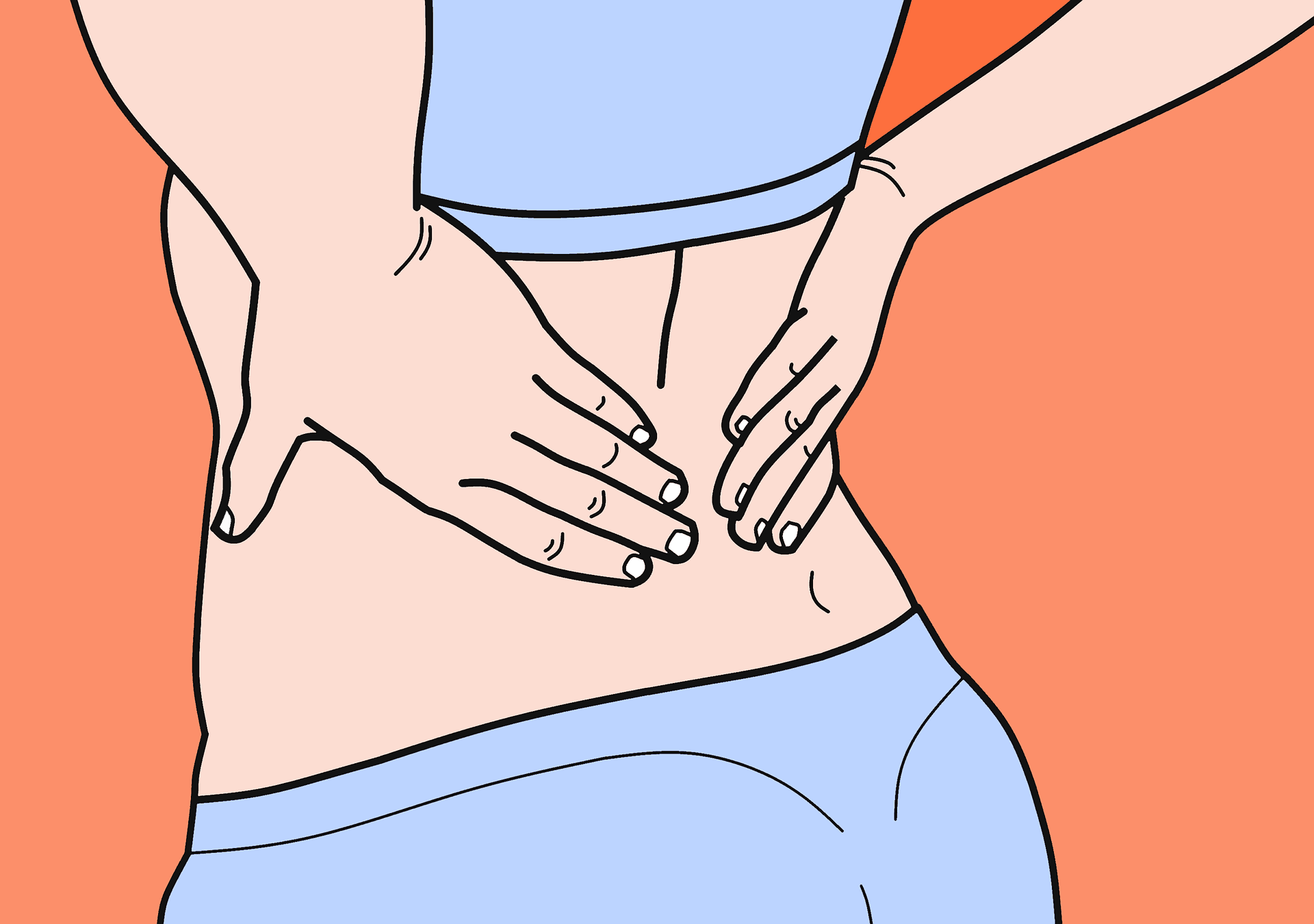
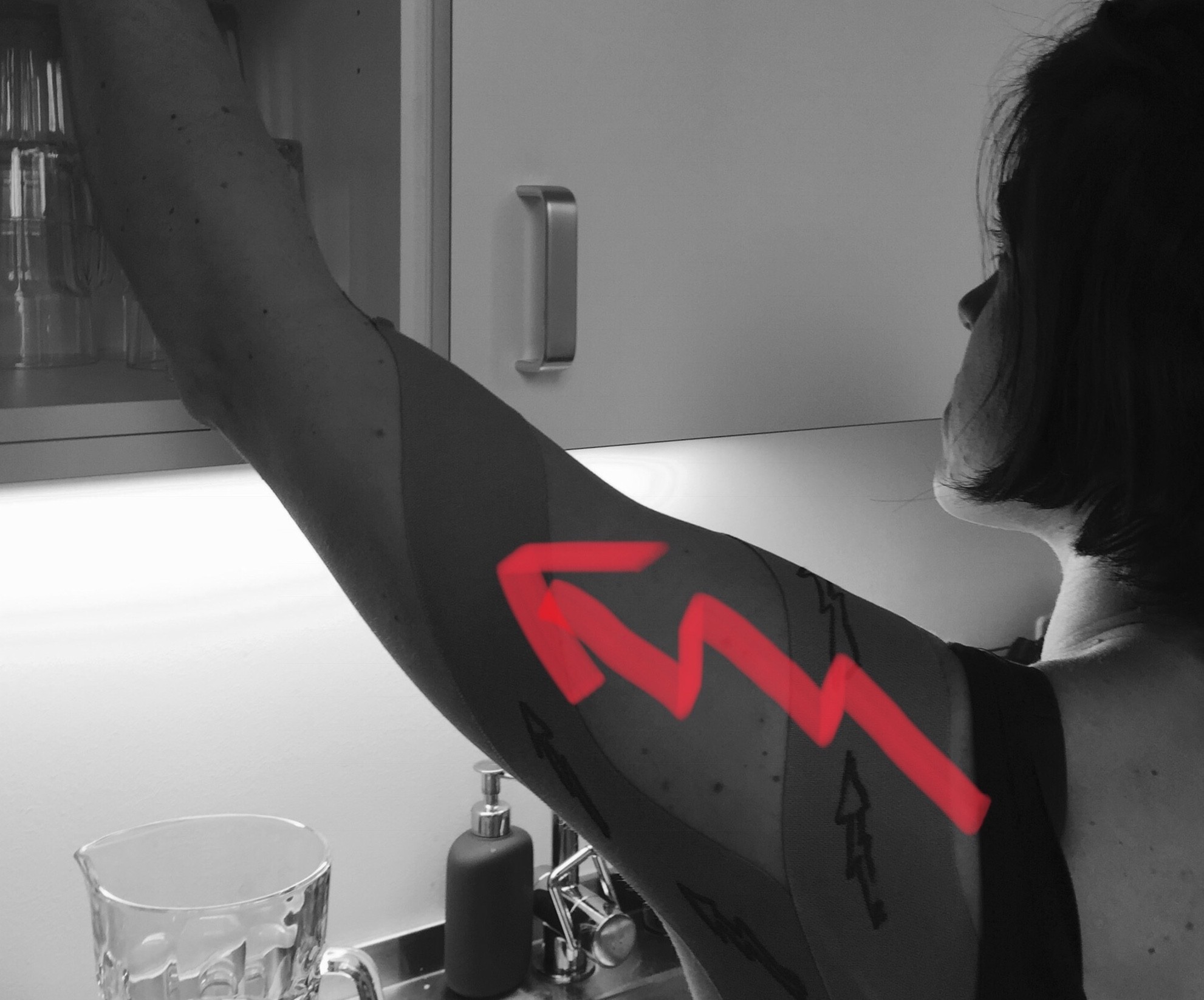
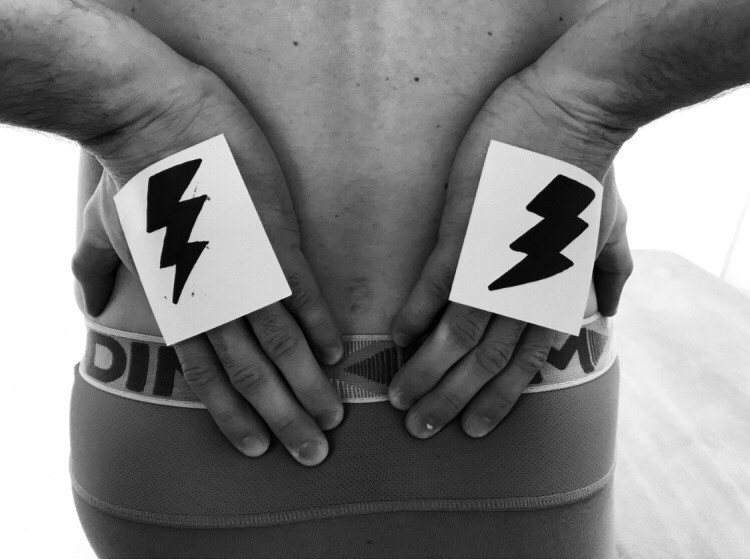
A pain radiating from your lower back or glutes down into your leg—sometimes sharp and shooting, sometimes a dull ache, and at times accompanied by tingling or numbness: commonly known as sciatica, or medically as ischialgia. Many describe it as a pinched sciatic nerve. All of these terms tell you where it hurts, but not why. The sciatic nerve can be irritated at its roots in the lumbar spine or along its path through the glutes. Sometimes, it isn't even the nerve itself, but rather a joint or muscle sending pain down your leg. A proper examination will reveal exactly what is happening in your body; in most cases, sciatica can be successfully treated without surgery.

Where the Pain Comes From
Think of a nerve as a garden hose: it doesn't take one single big kink to stop the flow; if there is a little pressure at several points, barely anything reaches the end. What flows through is vital nourishment: the nerve has its own fine blood vessels, and its cell bodies near the spinal cord send everything the nerve endings in the foot and toes need to function. Pressure can come from the outside or the inside: inflammation causes swelling, and swelling needs space, even within the nerve itself; it also irritates it further. Either way, the nerve makes itself heard: starting with pain and tingling, and with persistent pressure, progressing to numbness or weakness.
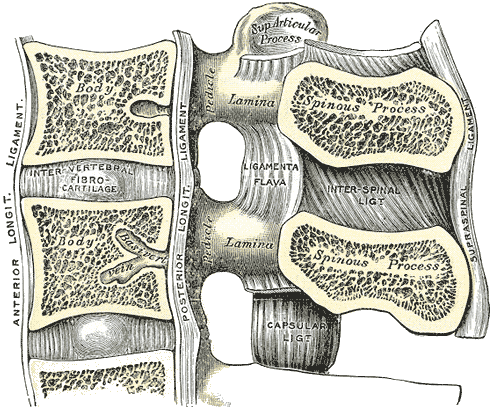
With the sciatic nerve, this pressure can build at the nerve roots in the lumbar spine—caused by a bulging or herniated disc, or narrowed nerve exit points—or further down in the buttocks, for example due to tension in the piriformis muscle, known as piriformis syndrome. If the pain radiates as a narrow band all the way into the foot or toes, accompanied by tingling or numbness, this points to the nerve root; in that case, it is worth taking a look at our page on herniated disc. Where the pressure is located changes the treatment. That is why everything with us begins with a meticulous assessment that examines the entire path of the nerve.
Not Every Pull in the Leg is Sciatica
Joints and muscles can also send pain radiating into the leg without any involvement of the nerve: the si joint (ISG), the small facet joints, and trigger points in the buttocks project pain into typical zones—specialists refer to this as referred pain. It usually feels duller and more widespread, rarely extending below the knee, whereas true nerve pain is often electrical, reaching right into the foot or toes, sometimes accompanied by tingling or numbness. For you, the difference is barely noticeable, but for the treatment, it is crucial: an irritated si joint requires a different approach than a compressed nerve root. Our assessment clarifies exactly this with simple clinical tests before we begin treatment.
How We Treat
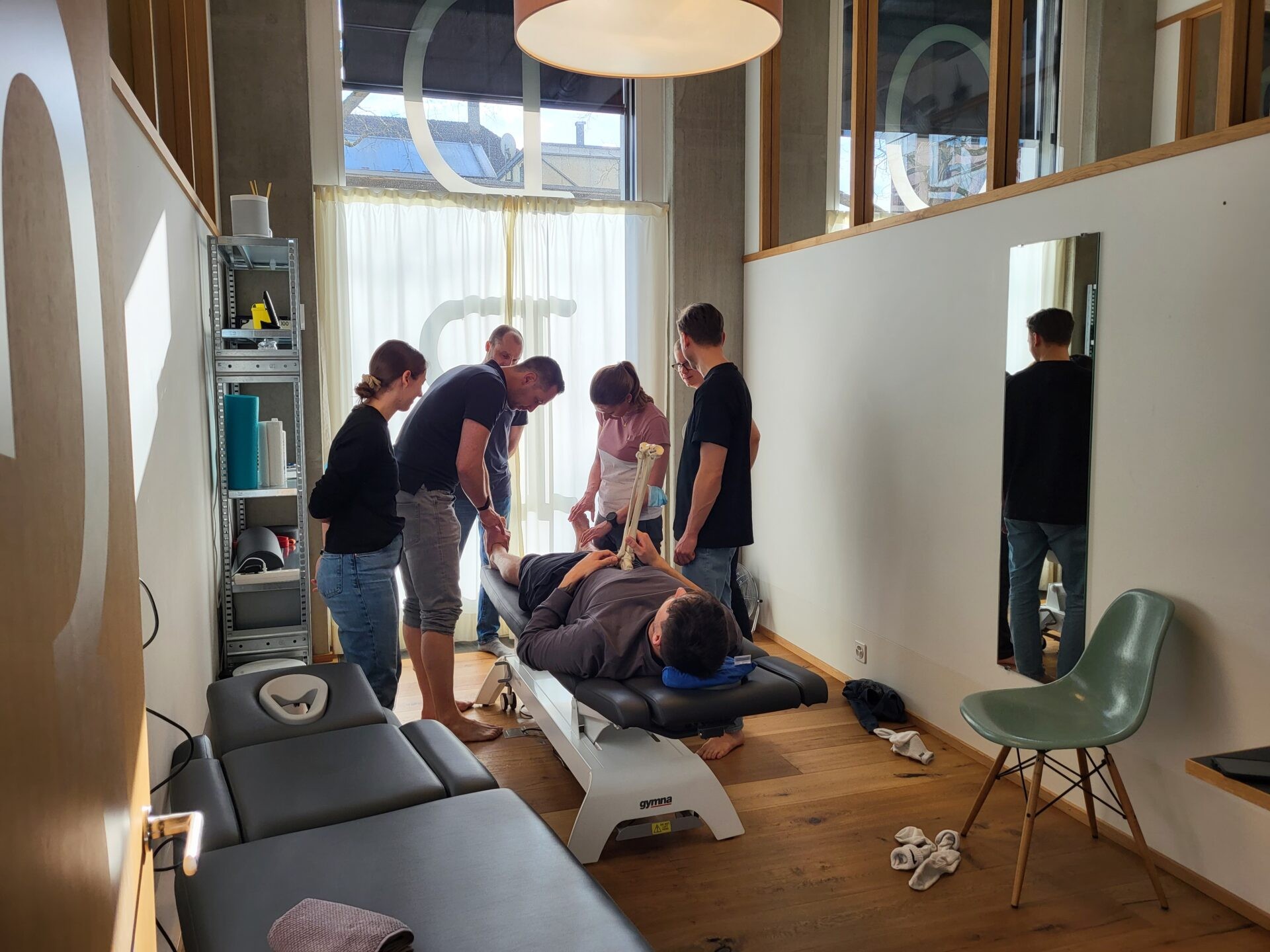
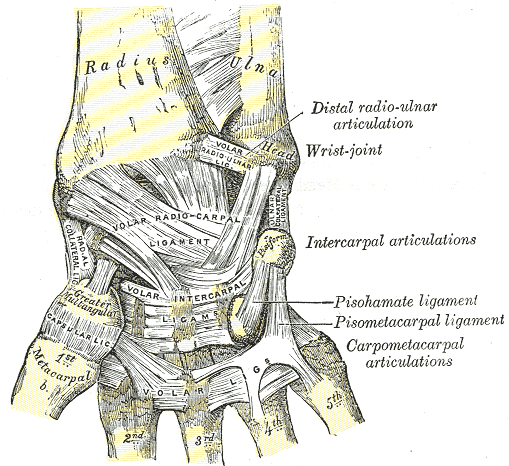
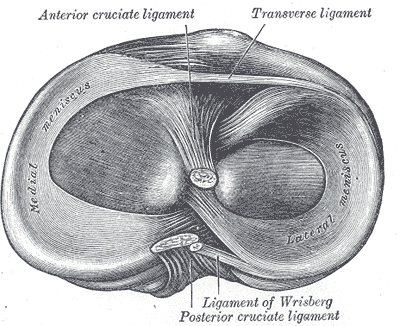
Depending on the findings, we first use manual techniques to relieve pressure from the nerve and give it room to breathe. We examine the mechanical chain through which the nerve travels: the mobility of the lumbar spine, sacrum, and pelvis; the tension of the ligaments running from the sacrum to the ischium, which help shape the nerve's exit path from the pelvis; and the interaction with the hip. Whatever might be crowding the nerve there, we release with our hands—both in osteopathy and Physiotherapy. If the cause lies within the musculature, we loosen it using tension-relieving techniques; tight muscle knots can be targeted and released with Dry Needling, using fine needles in myofascial trigger points. Targeted exercises maintain the space we've created and build long-term resilience: they strengthen the muscles around the lumbar spine and pelvis and keep the nerve moving so that the pain doesn't return. You will also learn which positions and movements support you in your daily life, enabling you to carry the success of the treatment forward yourself.
Urgent? We've got you covered with same-day appointments.
Acute pain doesn't wait around.
That's why we get you an appointment at short notice, often on the very same day. Book online or give us a call:
When to take charge and see a doctor
back pain is rarely dangerous. But see a doctor immediately if you experience any of these signs:
Paralysis or sudden weakness in your foot or leg
Numbness in the genital area
Loss of bladder or bowel control
Fever in addition to back pain
Pain after a fall (for older people, even a minor one counts)
Deep-seated lower back pain that wakes you up over weeks, especially at night and early in the morning, and is accompanied by stiffness (there could be an inflammatory cause behind it)
These signs are rare. And if none of them apply to you, nothing stands in the way of your treatment with us.
Who covers the cost? Let's talk investment in your future.
Physiotherapy is covered by basic insurance with a doctor's referral, or after an accident by accident insurance or your health insurance's accident coverage. You can book osteopathy directly, without a referral; most supplementary insurance policies for alternative and complementary medicine contribute to the costs, and depending on the insurer, this also applies after an accident.
It is best to clarify directly with your insurance provider beforehand how much they will cover.
Whether it is Physiotherapy or osteopathy: you are always welcome as a self-payer, and this does not change anything about your treatment.
You can find the cost of your treatment under Rates and cost coverage.
Only a thorough examination can tell for sure, because the si joint, facet joints, and muscles can also send pain radiating down your leg. Nerve-related pain is typically characterized by a narrow band of pain running down the back of your thigh—sometimes stopping there, but often reaching below the knee or into the foot—along with tingling or numbness, which can be worsened by prolonged sitting. Referred pain from a joint or muscle, on the other hand, tends to be a dull, diffuse ache that doesn't follow a specific path and usually stays above the knee. In our assessment, we pinpoint the exact source using simple clinical tests before we start your treatment.
Which path is yours to conquer?
Three quick questions, and you'll know exactly where to start. Immediate support needed? Call us: 044 545 03 03