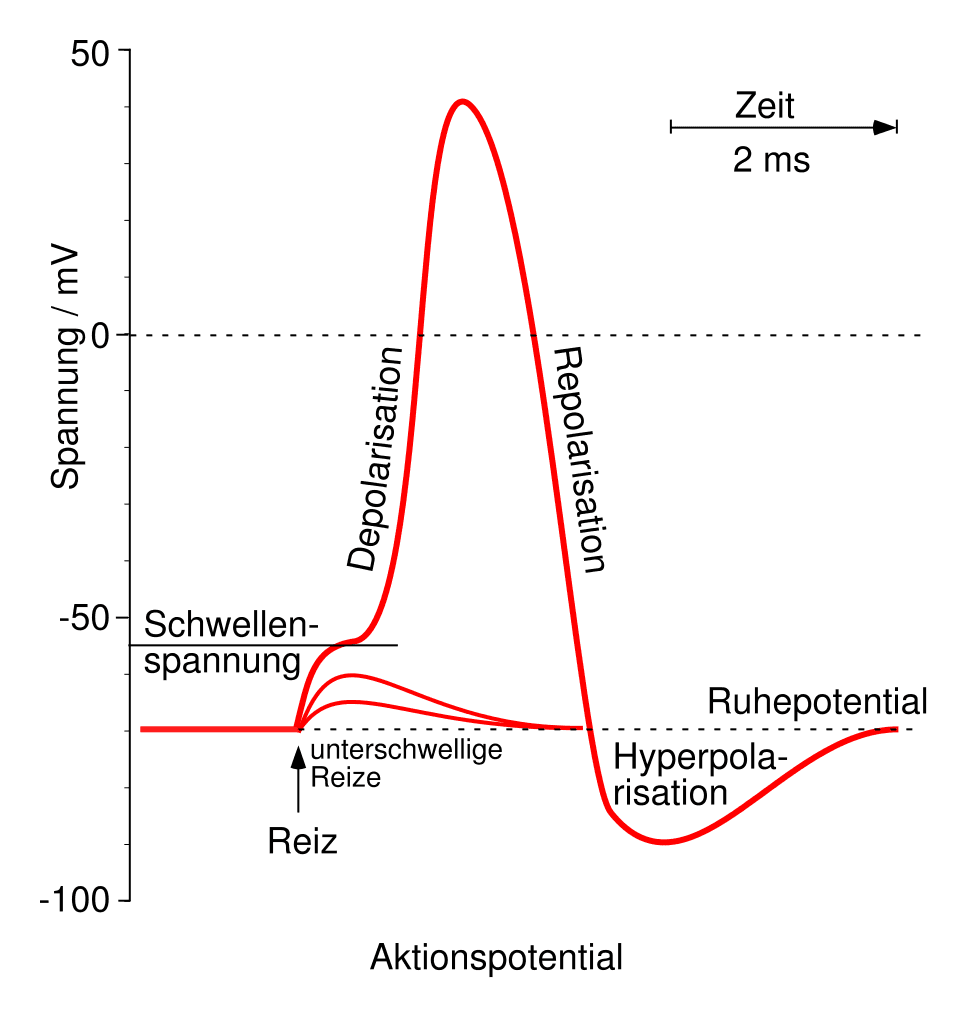
chronic pain, meaning pain that lasts longer than about three months, changes over time: It's often no longer a sign of tissue damage, but rather an expression of an alarm system that has become hypersensitive. Specialists call this pain memory. That explains why short-term relief alone is rarely enough. And it explains why there are ways for you to change the pain.

Why Chronic Pain Works Differently
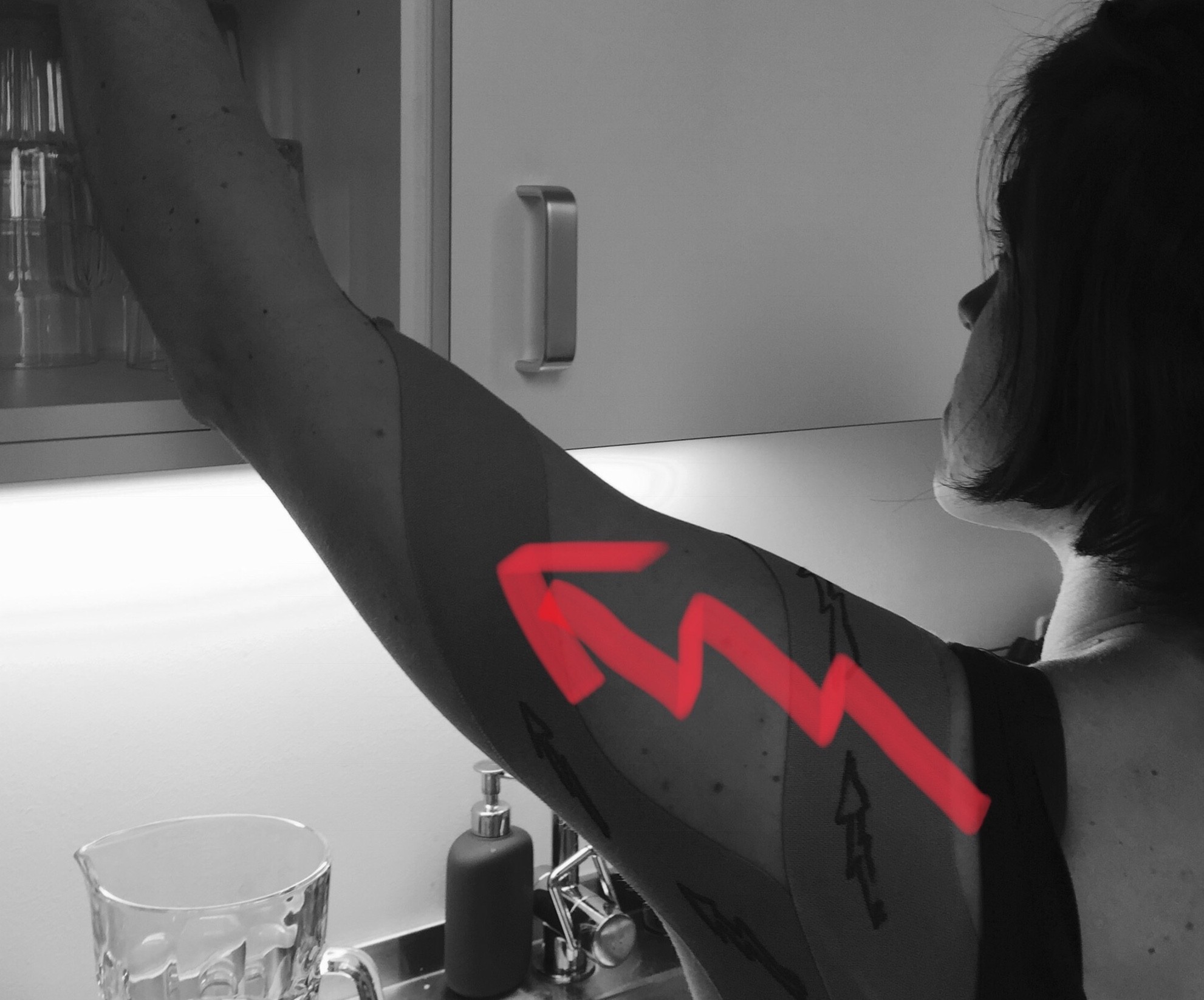
When pain persists, the nervous system becomes highly sensitized: it signals pain even when there is no longer any real danger in the tissue. Stress, poor sleep, fear of movement, and overprotectiveness can further sharpen this alarm system. This doesn't mean the pain is in your head—it is absolutely real. But it does mean that it is within your power to change it.
Our approach: understand, inspire action, and never stop growing
Master
We take the time to truly listen to your story and show you exactly what’s happening inside your body. Because when you understand your pain, you conquer your fear of movement.
Make your move
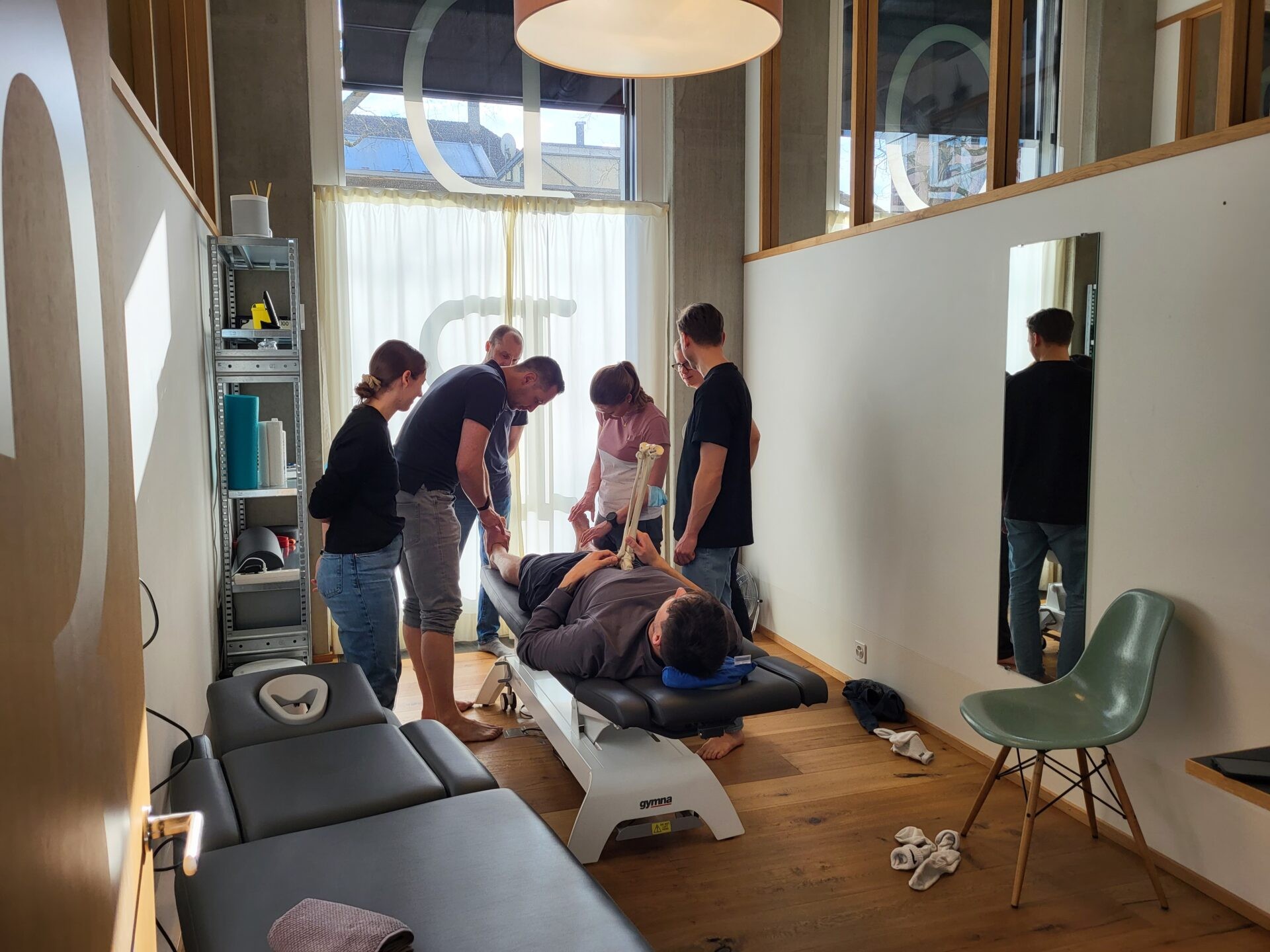
Step by step, we rebuild your resilience with precisely targeted training, empowering your nervous system to unlock positive new experiences. Hands-on manual and osteopathic therapies will be there to break through any tension and blocks holding you back.
Stay Driven
We arm you with powerful self-management tools—proven exercises and bulletproof strategies for both your best and your toughest days. Our ultimate goal is your complete independence, not keeping you in therapy forever.
Everything you need, all under one roof
Chronic pain often demands multiple perspectives. Here, physiotherapy, osteopathy, and training work together under one roof, with streamlined communication and a unified plan instead of isolated, parallel therapies. When needed, we actively involve your doctor in the process.
An honest word
We won't promise you a quick, pain-free fix—that wouldn't be genuine. What we can promise is a clear roadmap, honest assessments, and a team that stays fully committed. That is how many of our patients reclaim their daily lives, step by step.
No matter where it hurts
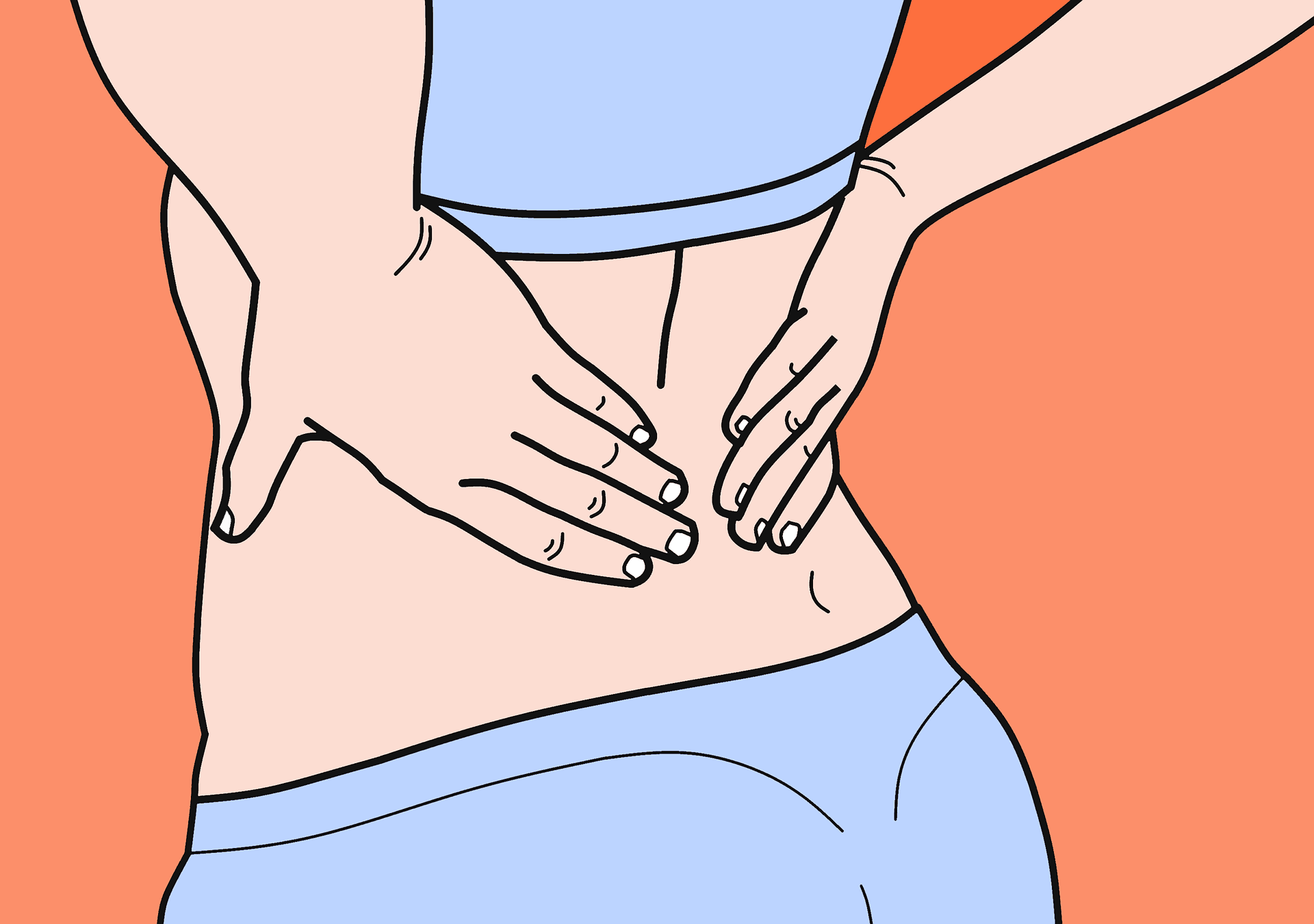
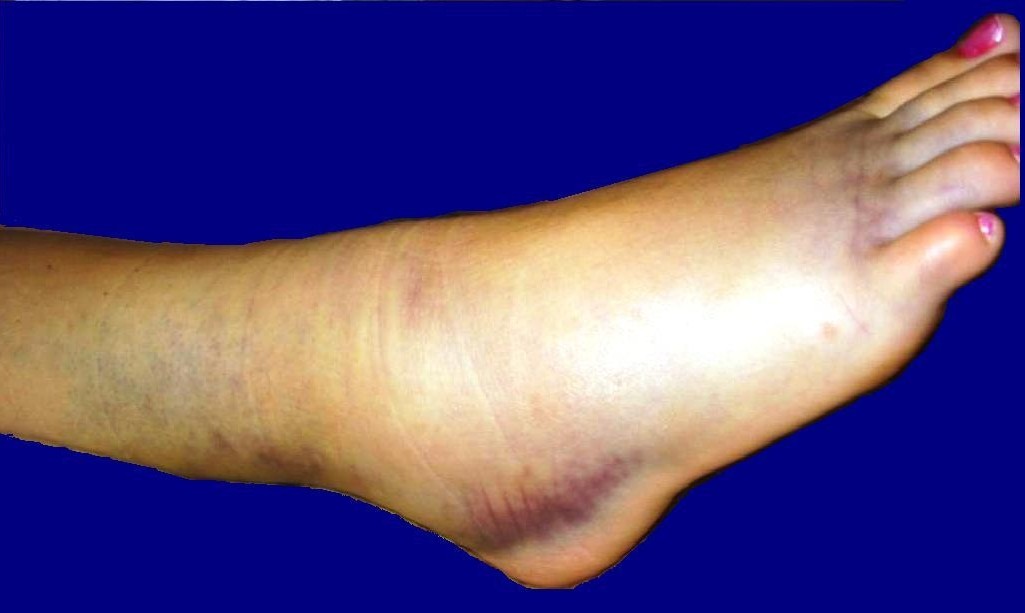
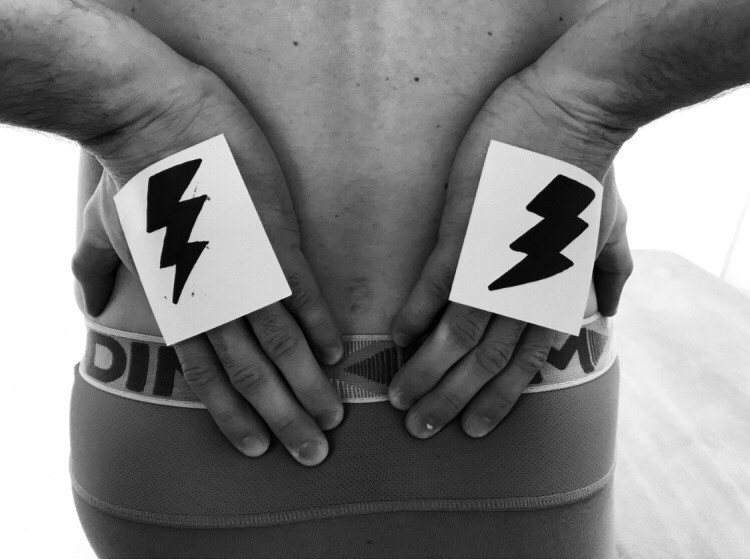
Chronic pain can settle anywhere: in your back, neck, shoulder, or knee. Find the direct starting point for your specific area right here.
Who covers the cost? Let's talk investment in your future.
Physiotherapy is covered by basic insurance with a doctor's referral, or after an accident by accident insurance or your health insurance's accident coverage. You can book osteopathy directly, without a referral; most supplementary insurance policies for alternative and complementary medicine contribute to the costs, and depending on the insurer, this also applies after an accident.
It is best to clarify directly with your insurance provider beforehand how much they will cover.
Whether it is Physiotherapy or osteopathy: you are always welcome as a self-payer, and this does not change anything about your treatment.
You can find the cost of your treatment under Rates and cost coverage.
Yes, in the vast majority of cases, you can move and put weight on your body—and you really should. With chronic pain, feeling pain rarely means that tissue is being damaged; instead, it means your oversensitive nervous system is signaling danger where there is none left. The key is finding the right dose: Start with what you can tolerate well today, and build up step by step, even if you feel some pain along the way, as long as it settles down again afterward. We'll figure out what dose is right for you during your assessment with us, and we'll take a closer look at any new or significantly worse pain there first.
Which path is yours to conquer?
Three quick questions, and you'll know exactly where to start. Immediate support needed? Call us: 044 545 03 03