Neck pain is one of the most common reasons people come to our practice. Sometimes tense muscles after long days at the screen are behind it, sometimes a dysfunction of the cervical spine, an accident or an irritated nerve root. That is exactly why every treatment at BodyLab in Zurich Altstetten starts with a thorough assessment: we want to understand where your symptoms come from before we treat them.

Which of these defines you?
Neck tension: when your desk becomes an ongoing issue
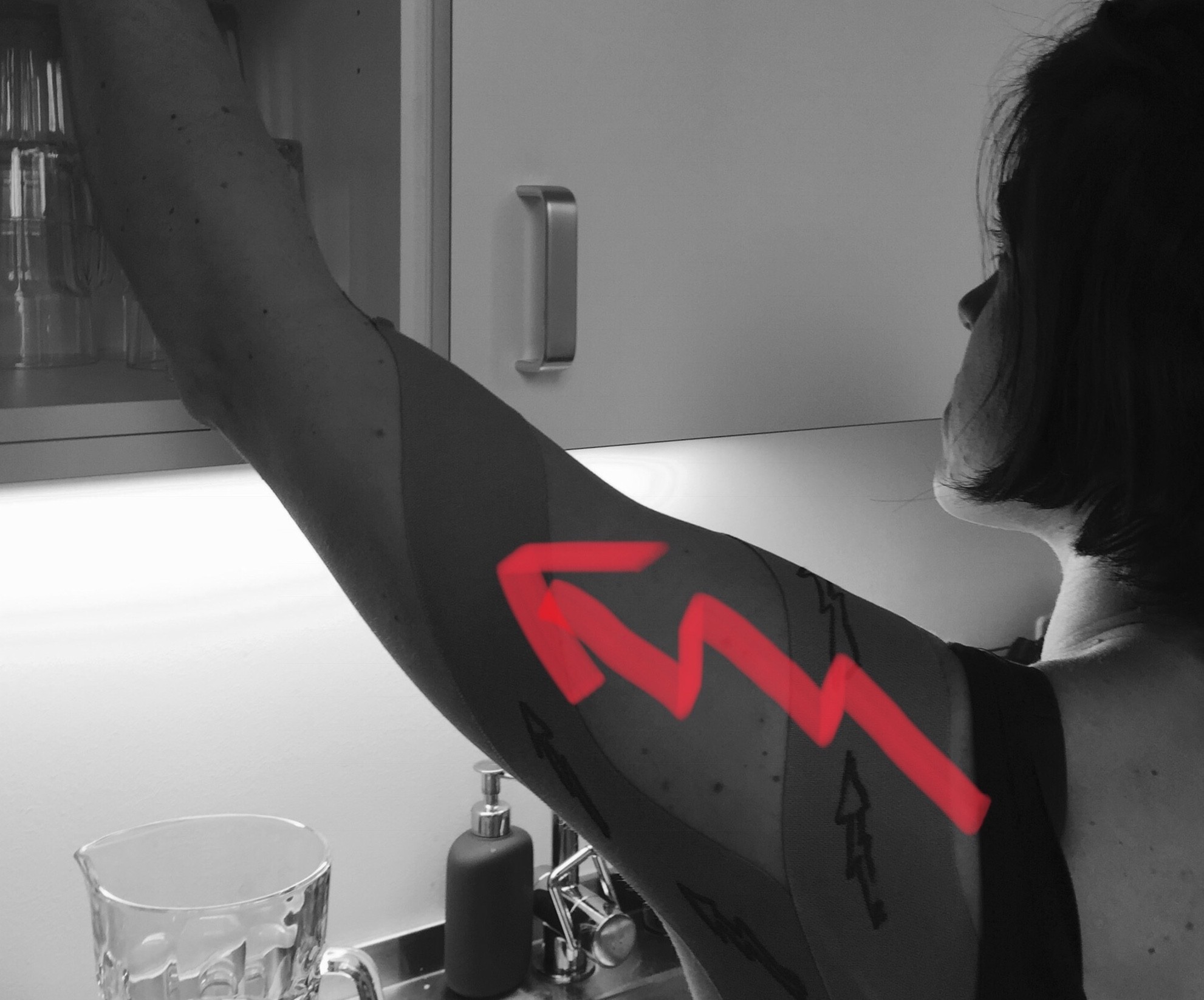
The most common form of neck pain is muscular: neck tension caused by prolonged sitting, screen work, and stress. The problem is rarely just one bad posture, but rather the lack of variety. Your body is built for movement, not for staying in the same position for eight hours. When muscles remain constantly tense, myofascial trigger points can develop: hypersensitive spots in the muscle that trigger pain and can radiate into the back of your head, between your shoulder blades, or down your arm. If the Conditions radiate into your head, read on under headaches.
Muscular neck pain usually responds well to treatment, especially when you take an active role yourself. We'll show you targeted exercises for your daily routine and treat stubborn trigger points, for example with Dry Needling. Conversely, shoulder problems can also radiate into your neck.
Common causes of neck pain
Muscle tension
Muscle tension and myofascial trigger points—frequently triggered by repetitive strain, long hours of screen work, or daily stress
Spinal Joint Optimization
Spinal joint dysfunctions—often known as blockages—and how to conquer them
Cervical herniated disc
Cervical herniated disc radiating into your arm or hand
After an accident
Accidents, such as whiplash
Jaw Joint Disorders (CMD)
Craniomandibular dysfunction (CMD), a jaw misalignment that is closely linked to your neck muscles
Inflammatory & Structural Causes
Rarely: inflammatory or structural conditions that require professional medical evaluation to keep you performing at your best
How we treat neck pain in Zurich Altstetten
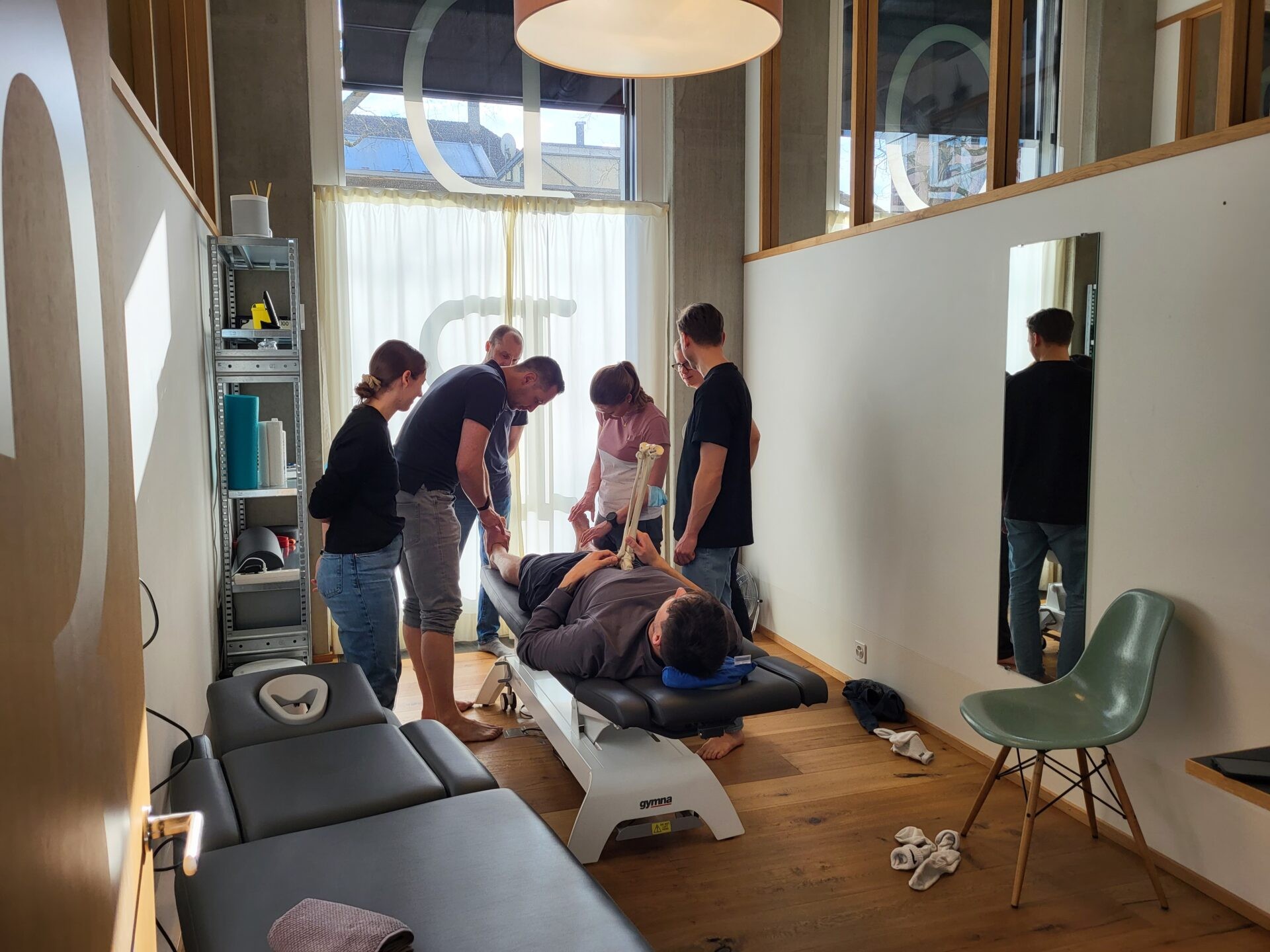
At BodyLab, Physiotherapy and osteopathy work under one roof. For you, this means: We choose the path that fits your findings and bring in the right specialist if needed—interdisciplinary and without detours.
Physiotherapy: thorough assessment, active exercises, and support on your way back to full resilience
manual therapy: targeted mobilization of the spinal joints and surrounding soft tissues
osteopathy: a holistic view of the connections throughout your body, using manual techniques even where the root cause lies beyond the neck
Dry Needling: fine needles targeting stubborn myofascial trigger points
medical training therapy (MTT): targeted strength building for your neck and shoulder girdle in our own training area right here at the practice
Massage: muscle loosening as a beneficial complement
Our goal isn't to keep you with us for as long as possible, but to help you get your neck back under control yourself. If your lower back is acting up too, you can find out how we approach that on our page about back pain.
When to take charge and see a doctor
Neck pain is rarely anything to worry about. However, you should seek immediate medical evaluation if you experience any of the following signs:
Fever accompanied by a stiff neck
Numbness, tingling, or loss of strength in your arm or hand
Neck pain following a fall or accident
These symptoms are rare. If none of them apply to you, nothing is standing in the way of your treatment with us.
Who covers the cost? Let's talk investment in your future.
Physiotherapy is covered by basic insurance with a doctor's referral, or after an accident by accident insurance or your health insurance's accident coverage. You can book osteopathy directly, without a referral; most supplementary insurance policies for alternative and complementary medicine contribute to the costs, and depending on the insurer, this also applies after an accident.
It is best to clarify directly with your insurance provider beforehand how much they will cover.
Whether it is Physiotherapy or osteopathy: you are always welcome as a self-payer, and this does not change anything about your treatment.
You can find the cost of your treatment under Rates and cost coverage.
Keep moving instead of resting: Gentle, low-impact exercise and warmth will relieve your muscles far better than sitting still. If the discomfort doesn't improve after a few days or radiates down your arm, make the smart move and get it checked out.
Which path is yours to conquer?
Three quick questions, and you'll know exactly where to start. Immediate support needed? Call us: 044 545 03 03