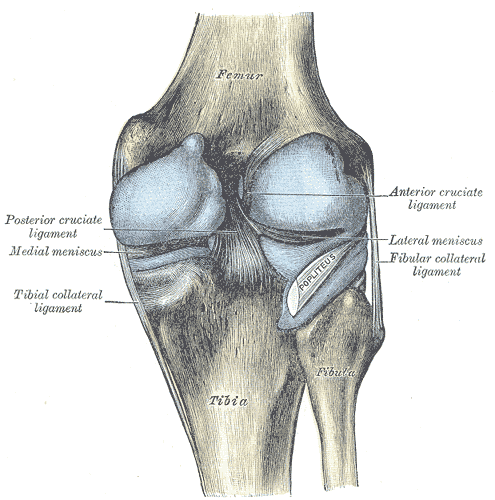
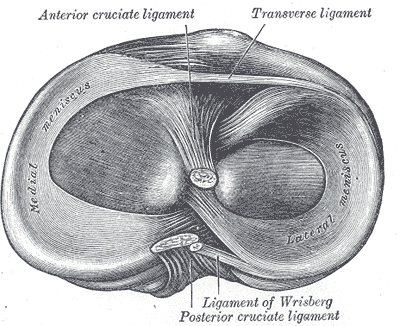
Knee pain has many faces: the one moment in sport, the gradual overload, the wear over years. The right path differs accordingly. At BodyLab in Zurich Altstetten, you do not have to work out for yourself which therapy you need: we look at your knee together and find the starting point that suits you.

Knee pain: how did it happen to you?
The most important question actually comes from your knee itself. There are three typical paths that lead to knee pain, and each one demands a different, targeted starting point.
Unsure what's going on with your knee? Let's figure it out.
What should you do about knee pain that can't be clearly identified? You don't have to diagnose it yourself. During your assessment, we will test the mobility, strength, stability, and load capacity of your knee, identify your Conditions, and consult with your doctor if necessary.
Physiotherapy, osteopathy, and elite training—all under one roof
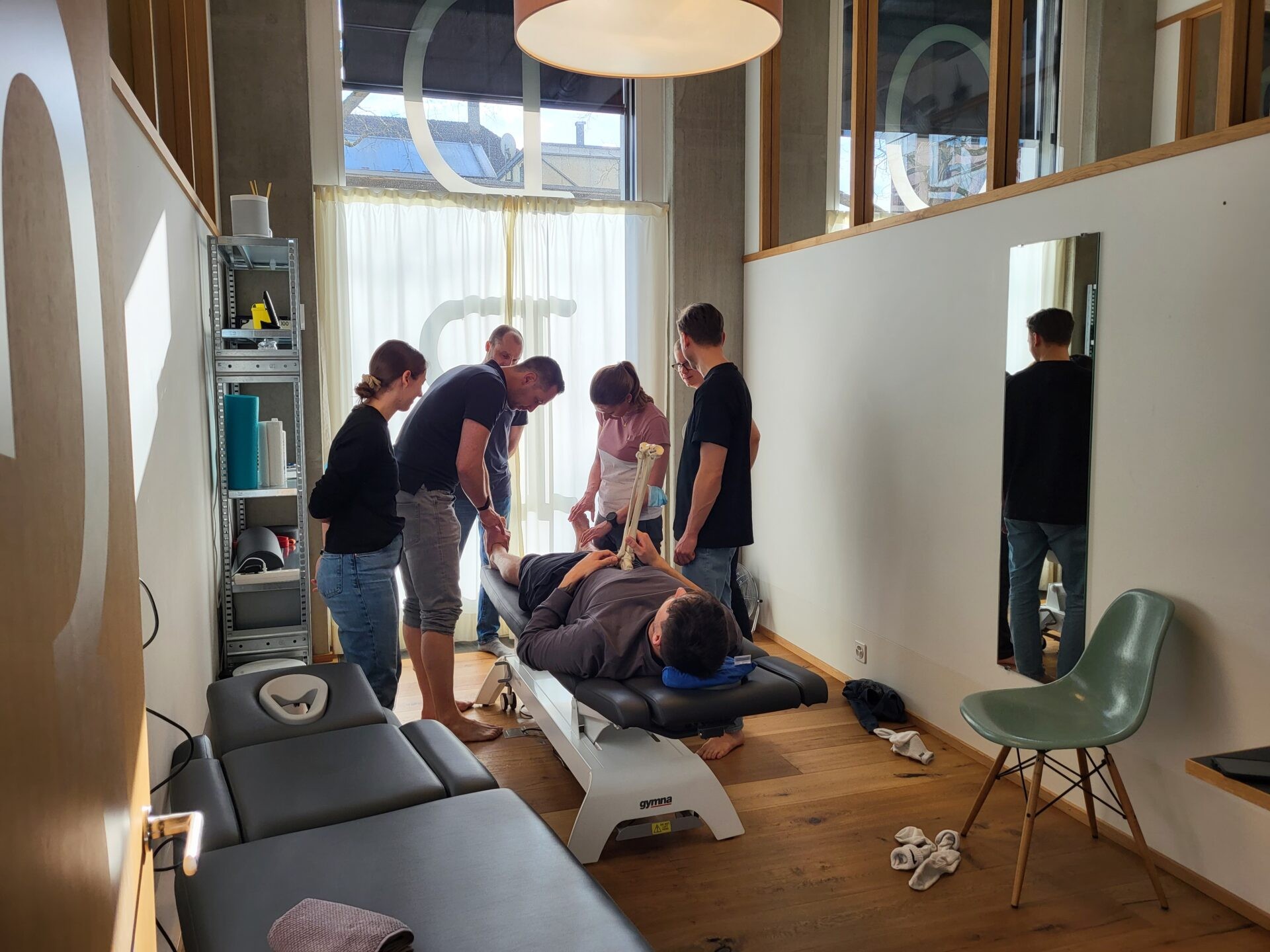
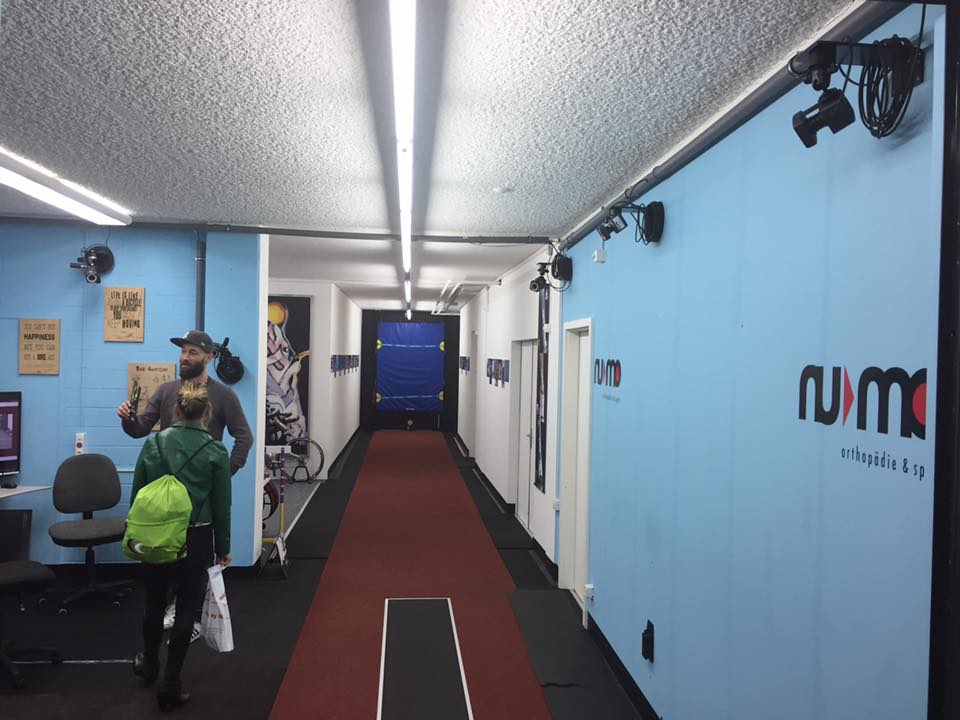
Depending on your findings, we combine Physiotherapy and manual therapy with active, targeted training. If you wish, building strength is handled by our medical Training therapy (MTT) in our own, functionally equipped training area right here at the practice. osteopathy can expand your treatment, for instance if your hip or pelvis is also involved. Our interdisciplinary team of physiotherapists and osteopaths works together in the same location, keeping the distance between treatment and training short. Your foot statics also influence the load on your knees; learn more under foot pain. Has your knee pain been with you for more than three months? Then you'll find a dedicated path on our page about chronic pain.
When to consult your doctor
Knee pain is rarely dangerous. However, you should get a medical evaluation immediately if you experience any of these signs:
Your knee locks or can no longer be straightened: something may be trapped in the joint.
Tense, rapid swelling shortly after an accident: potential bleeding into the joint.
A fever accompanied by a hot, swollen knee: a possible sign of a joint infection.
You cannot bear weight on your leg after a fall: a fracture must be ruled out.
These signs are rare. If none of them apply to you, nothing is standing in the way of your treatment with us.
Who covers the cost? Let's talk investment in your future.
Physiotherapy is covered by basic insurance with a doctor's referral, or after an accident by accident insurance or your health insurance's accident coverage. You can book osteopathy directly, without a referral; most supplementary insurance policies for alternative and complementary medicine contribute to the costs, and depending on the insurer, this also applies after an accident.
It is best to clarify directly with your insurance provider beforehand how much they will cover.
Whether it is Physiotherapy or osteopathy: you are always welcome as a self-payer, and this does not change anything about your treatment.
You can find the cost of your treatment under Rates and cost coverage.
Not necessarily: You can access Physiotherapy just as directly as osteopathy—the prescription only affects how it is billed. With a prescription, basic health insurance covers your Physiotherapy; whether you receive one is up to your doctor. You can book osteopathy without a prescription, and most supplementary insurance plans will contribute to the cost. Whether you choose Physiotherapy or osteopathy: you are always welcome as a self-payer, and this won't change your high-quality treatment. If you are unsure where to start, give us a call—we are here to guide you.
Which path is yours to conquer?
Three quick questions, and you'll know exactly where to start. Immediate support needed? Call us: 044 545 03 03