Foot pain slows you down with every step: in sport, in a job on your feet, on the stairs. Yet the foot is a masterpiece of 26 bones, around 30 joints and a finely tuned interplay of ligaments, tendons and muscles. When this system loses its balance, the cause often reaches further than the spot that hurts. That is why we take a close look at BodyLab in Zurich Altstetten: physiotherapy and osteopathy under one roof, from assessment to training.

Where is the challenge?
Or following an injury or foot surgery: Structured rehabilitation after medical treatment, closely coordinated with your physician.
Understanding foot pain
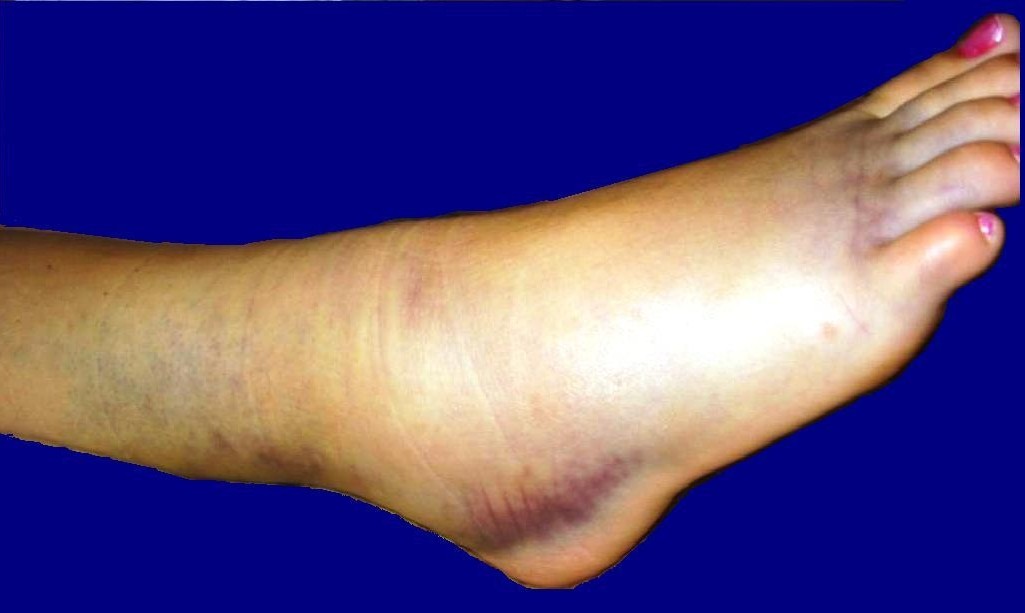
foot pain rarely comes out of nowhere. Common triggers include a sudden injury like twisting your ankle, gradual overuse from increased training or prolonged standing, altered loading after surgery, or age-related changes to joints and tendons. Your biomechanics also play a role: how you stand, walk, and roll through your foot helps determine which structures bear the most stress. That is precisely why every treatment with us starts with a thorough assessment, not a standard solution.
Active in sports: From a twisted ankle to an irritated Achilles tendon. We bring you back in a structured way, using tests rather than gut feeling.
Jobs that involve standing: When every workday takes a toll on your feet, you need load management and targeted strengthening.
Steady on your feet: Strength and balance begin with your feet. If you feel unsteady while walking, our fall prevention treatments complement your therapy.
After injury or surgery: Structured rehabilitation following medical care, closely coordinated with your doctor. The foot and knee are often connected: if your gait puts stress on your knee, read more under knee pain.
Opportunities
Active & Driven
From a sprained ankle to a strained Achilles tendon—we get you back on track with a structured, data-driven plan, not just gut feeling.
On your feet all day
When your workday keeps you constantly on your feet, mastering load management and targeted strengthening is your key to power through.
Stand strong and confident
Strength and balance start at your feet. If you're feeling unsteady on your feet, our fall prevention program is the perfect way to elevate your recovery.
Your comeback after injury or surgery
Structured rehabilitation after medical treatment, designed in close alignment with your doctor to get you back at your best.
Hallux Valgus: How Physiotherapy Empowers You and Where Its Limits Lie
With hallux valgus, the big toe gradually shifts outward, often over the course of years. Advanced misalignment cannot be reversed with physiotherapy. What therapy and training can achieve: strengthening the foot muscles, maintaining mobility, relieving accompanying issues like overloaded neighboring toes or midfoot pain, and improving daily function. Whether and when surgery is the right move is a decision for medical experts. We will tell you openly what is realistic and support you both before and after any potential procedure.
How we treat foot pain at BodyLab
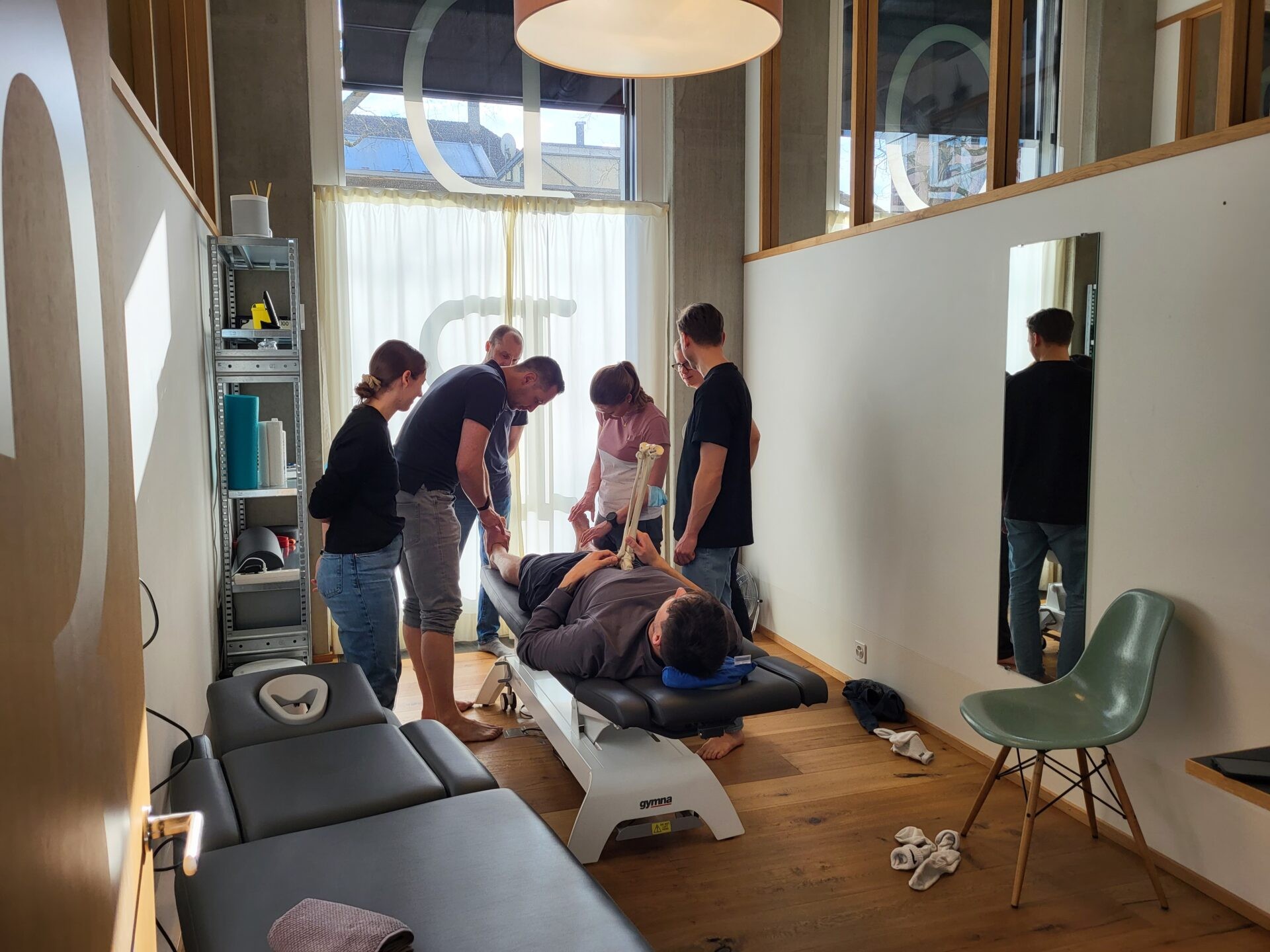
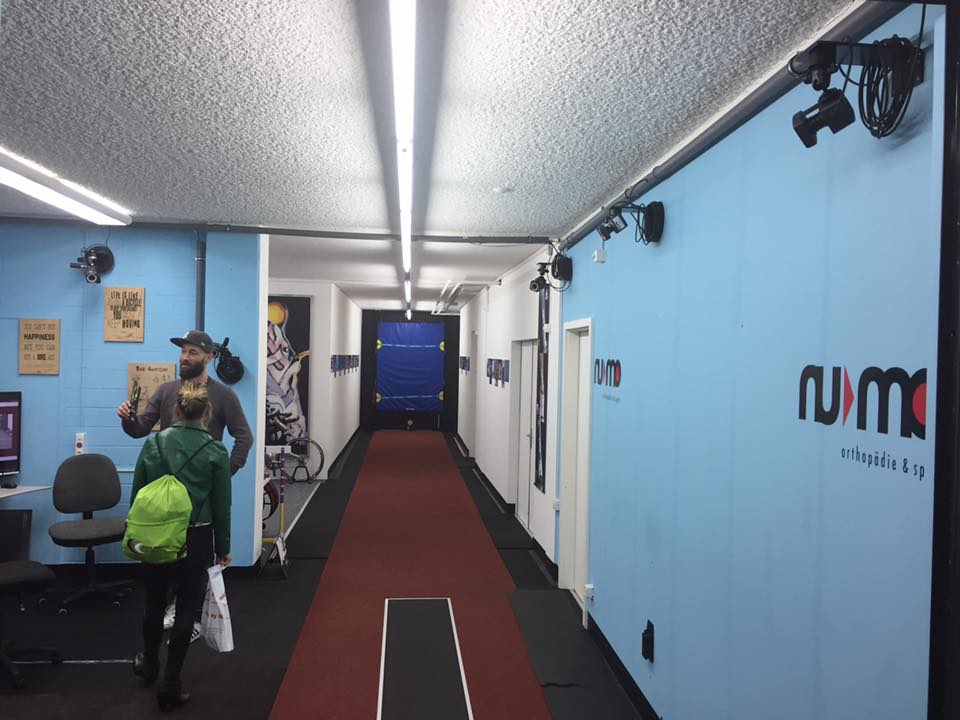
It all begins with your assessment: we examine your joints, ligaments, tendons, and muscles, look at how you walk, and determine how much stress your foot can currently handle. We then build your treatment around that: manual therapy and targeted techniques to improve mobility and resilience, complemented by active training in our own, functionally equipped training area right in the practice. osteopathy looks beyond your foot: your pelvis, hips, and spine also influence how your foot is loaded and where overload occurs. Depending on your situation, we may add medical Training therapy (MTT) as one of several training options, or manual lymphatic drainage if you have swelling. Our interdisciplinary team of physiotherapists and osteopaths coordinates directly with each other, keeping communication quick and simple. Has your foot pain been with you for more than three months? Then you will find a dedicated path forward on our page about chronic pain.
When to consult your doctor
foot pain is rarely dangerous. But get checked by a doctor right away if you notice any of these signs:
After a fall or twisting your ankle/foot, if you can barely put weight on it: a fracture must be ruled out first
Fever along with a hot, swollen foot or joint: possible sign of an infection
Sudden numbness or pale, cold toes: indication of a nerve or circulatory problem
New swelling with pain in your calf: a thrombosis must be ruled out
These signs are rare. And if none of them apply, nothing stands in the way of your treatment with us. After twisting your ankle or if you experience sudden severe pain, you can book an appointment on short notice with us.
Who covers the cost? Let's talk investment in your future.
Physiotherapy is covered by basic insurance with a doctor's referral, or after an accident by accident insurance or your health insurance's accident coverage. You can book osteopathy directly, without a referral; most supplementary insurance policies for alternative and complementary medicine contribute to the costs, and depending on the insurer, this also applies after an accident.
It is best to clarify directly with your insurance provider beforehand how much they will cover.
Whether it is Physiotherapy or osteopathy: you are always welcome as a self-payer, and this does not change anything about your treatment.
You can find the cost of your treatment under Rates and cost coverage.
Most foot pain is load-dependent: it strikes when you walk, stand, or workout, and eases with rest—this points to overload and is highly treatable. It's a different story after a fall or twist, if you can barely put weight on it, if you have a fever with a hot, swollen foot, if your toes are numb or pale, or if you notice a new swelling in your calf: in those cases, get a medical evaluation first. If none of these apply, but your Conditions do not visibly improve within one to three weeks, it is absolutely worth getting an assessment with us. We will also check whether further investigation is needed and refer you directly if necessary.
Which path is yours to conquer?
Three quick questions, and you'll know exactly where to start. Immediate support needed? Call us: 044 545 03 03