Mindset
Pain - An Introduction
“Pain - So simple, yet so complex”
Why do we feel pain? Where does it come from? What purpose does it serve? Why do different people perceive pain so differently?
At BodyLab, Osteopathy and Physiotherapy in Zurich Altstetten, we tackle the topic of pain every single day. After all, the main reason for visiting a doctor, osteopath, or physiotherapist is usually the presence of pain—whether it stems from an injury, aging, or “simply” from a lack of movement.
Physiologically speaking, pain has a life-preserving purpose. Pain is triggered by potential or actual tissue damage, meaning our brain can warn us before an injury even occurs. And even when tissue has already been damaged, our brain sends us signals to protect the injured area and support the healing process. However, there are situations where our pain system fails—certain diseases, like various types of cancer, can progress without causing any pain at all.
That is the simpler side of pain. It gets complex when you try to truly understand it—especially pain that does not seem life-threatening at first glance. This happens because our brain has decided, for some reason, that we—or rather our body and tissues—are in danger. The real challenge lies in uncovering why our brain has come to this conclusion.
First and foremost, pain is felt differently by everyone. This is because pain intensity is independent of the actual extent of tissue damage. Because pain is produced by the brain! The brain decides how threatening a situation is based on your current life context. Ergo: pain makes sense!
For example, if we break a leg while hiking and seek shelter in a cave, only to find a bear inside, our brain instantly “forgets” the pain of the broken leg. The tissue damage is far less life-threatening than the bear we now have to run away from!
At the center of all this is how sensory information is processed and transmitted by our nervous system to our brain. This processing is not just based on the physical signals coming from the injured tissue; it involves a complex process that factors in several other elements. These factors include reasoning and emotions, along with the potential consequences for the person's life or survival. Age, gender, culture, and context also play incredibly important roles. A lack of knowledge and understanding also significantly heightens pain intensity. The fear that something might be seriously wrong can amplify how threatening the injury feels. But it also works the other way around: the better informed a patient is about what to expect after surgery, the less anxiety they feel, which can even reduce their need for pain medication.
To illustrate this, consider a minor finger injury (like a paper cut). For an office worker, this injury is annoying but won't seriously disrupt their daily routine or work (context). However, if someone's livelihood depends entirely on fine motor skills in their fingers (like a pianist, violinist, or surgeon), that same finger injury can feel much more painful because it directly threatens their professional existence.
In short:
Pain is produced by the brain
Pain serves a life-preserving purpose
The pain experience is generated by many simultaneous sensory and emotional signals
To understand pain, these signals must be recognized and evaluated in relation to one another
Whenever you need us, we are here for you!
Your BodyLab Team, your specialists for physical well-being
Osteopathy and Physiotherapy | Rehabilitation and Training
Zurich Altstetten
Cover Image Credit
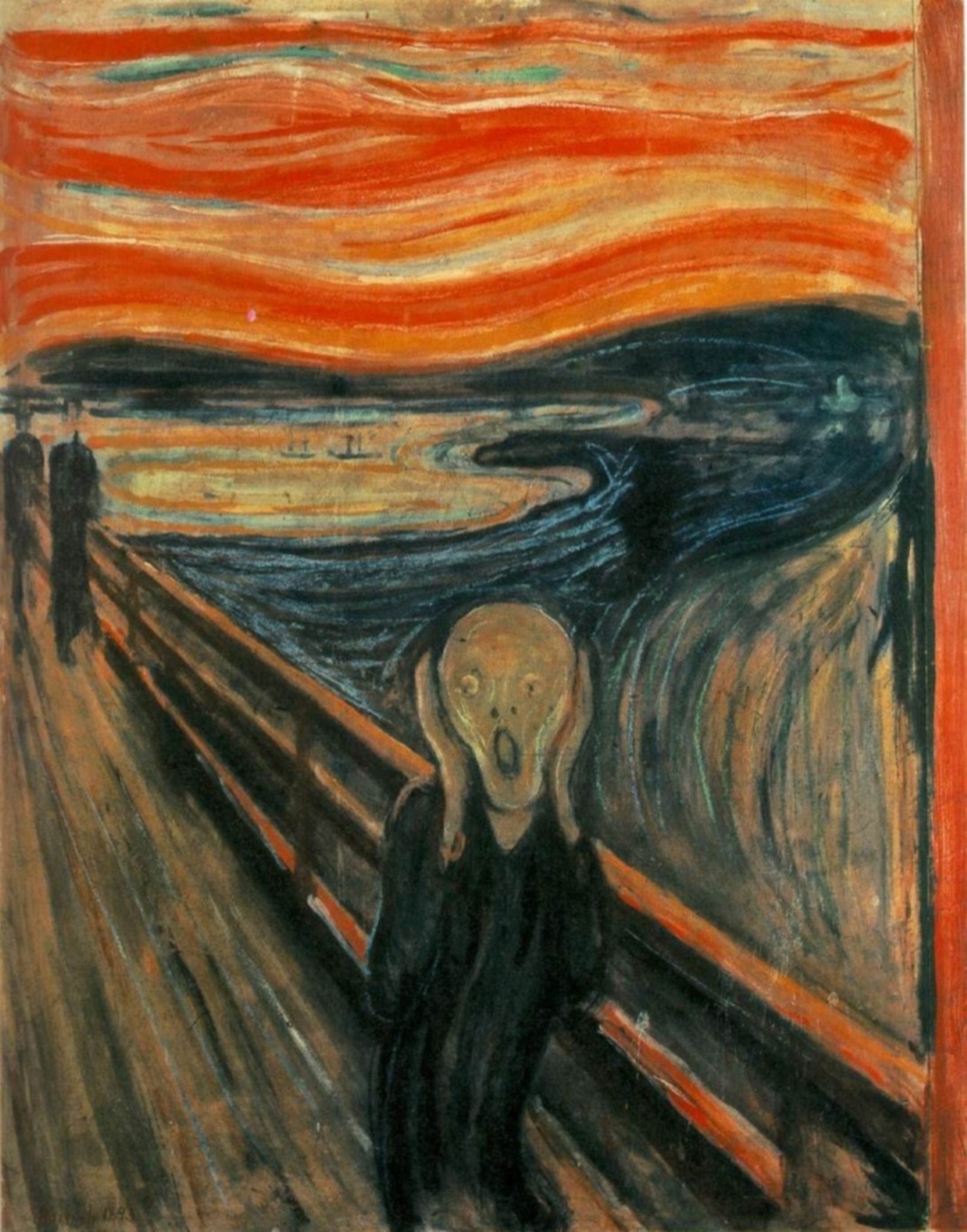
Edvard Munch, The Scream, marked as public domain, details on Wikimedia Commons