Almost everyone knows headaches, and yet they are never trivial when they keep coming back. They take away concentration, sleep and quality of life, at the office as much as in training. The most important point first: a large share of recurring headaches has a treatable cause in the musculoskeletal system, in the neck and shoulder muscles, the cervical spine or the jaw joint. On this page you will find out which type of headache matches your symptoms, when you should see a doctor, and how we treat you at BodyLab in Zurich Altstetten.

What kind of headache are you facing?
Not all headaches are created equal. Discover how the four most common types differ in their origins, symptoms, and the powerful ways you can treat them:
Unsure which shape matches your vibe? Let’s find your perfect fit.
This is completely normal; forms often overlap. That is exactly why we establish a clear baseline at the start of every treatment.
How we treat headaches at BodyLab
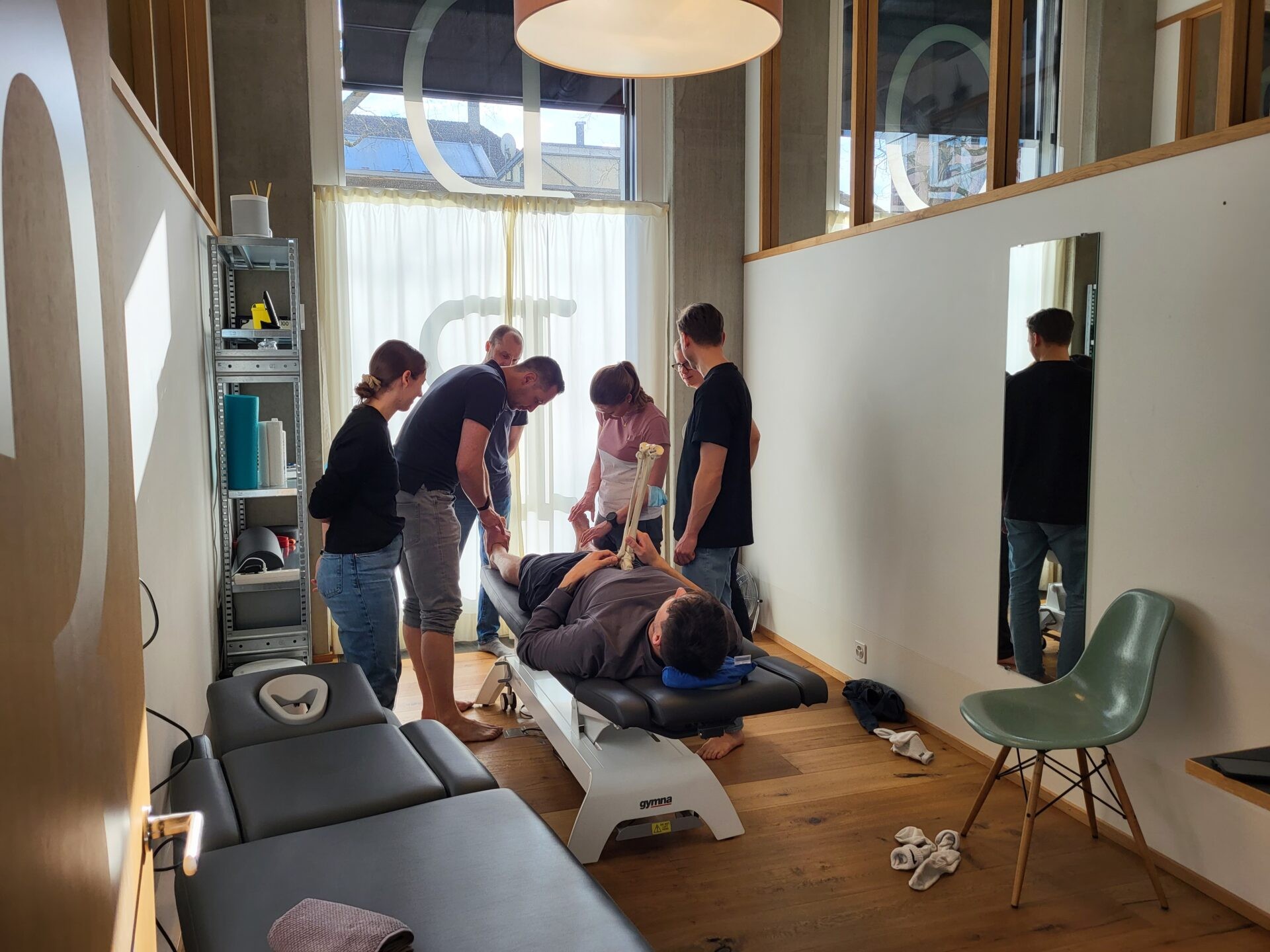
At BodyLab, physiotherapy and osteopathy work hand in hand under one roof. This means for you: a thorough assessment first clarifies what is driving your headache—whether it is your muscles, cervical spine, jaw, or a combination of these—and from there, your customized treatment plan is created. Depending on the findings, we combine manual therapy and mobilization of the cervical spine, the treatment of myofascial trigger points with dry needling, targeted strengthening of the deep neck muscles, as well as osteopathic techniques for the cervical spine, jaw, and skull base. Where beneficial, supervised training in our functionally equipped training area directly within the clinic complements your treatment—for example, as Medical Training Therapy (MTT), among other options.
The effectiveness of manual treatment for headaches is well-documented. We have summarized what the research shows in detail in a dedicated article.
When to take charge and see a doctor
Headaches are rarely dangerous. However, you should seek immediate medical evaluation if you experience any of these signs:
Sudden, unprecedentedly severe headache, which could indicate bleeding in the brain
Fever and a stiff neck in addition to the headache, signaling potential meningitis
New onset of headache following a fall, accident, or blow to the head, to rule out injury
Sudden visual disturbances, speech difficulties, paralysis, numbness, or loss of balance, indicating potential stroke warning signs
Headache occurring for the first time at age 50 or older, or rapidly worsening
These signs are rare. If none of these apply to you, nothing stands in the way of starting your treatment with us.
Who covers the cost? Let's talk investment in your future.
Physiotherapy is covered by basic insurance with a doctor's referral, or after an accident by accident insurance or your health insurance's accident coverage. You can book osteopathy directly, without a referral; most supplementary insurance policies for alternative and complementary medicine contribute to the costs, and depending on the insurer, this also applies after an accident.
It is best to clarify directly with your insurance provider beforehand how much they will cover.
Whether it is Physiotherapy or osteopathy: you are always welcome as a self-payer, and this does not change anything about your treatment.
You can find the cost of your treatment under Rates and cost coverage.
Tension headaches are by far the most common, followed by migraines, cervicogenic headaches originating from the neck, and jaw-related pain from CMD. While medicine identifies over 200 types of headaches, mastering your control over these four key types is what truly matters for your daily well-being.
Which path is yours to conquer?
Three quick questions, and you'll know exactly where to start. Immediate support needed? Call us: 044 545 03 03