Back
Back Pain – The Nation's Number 1 Ailment
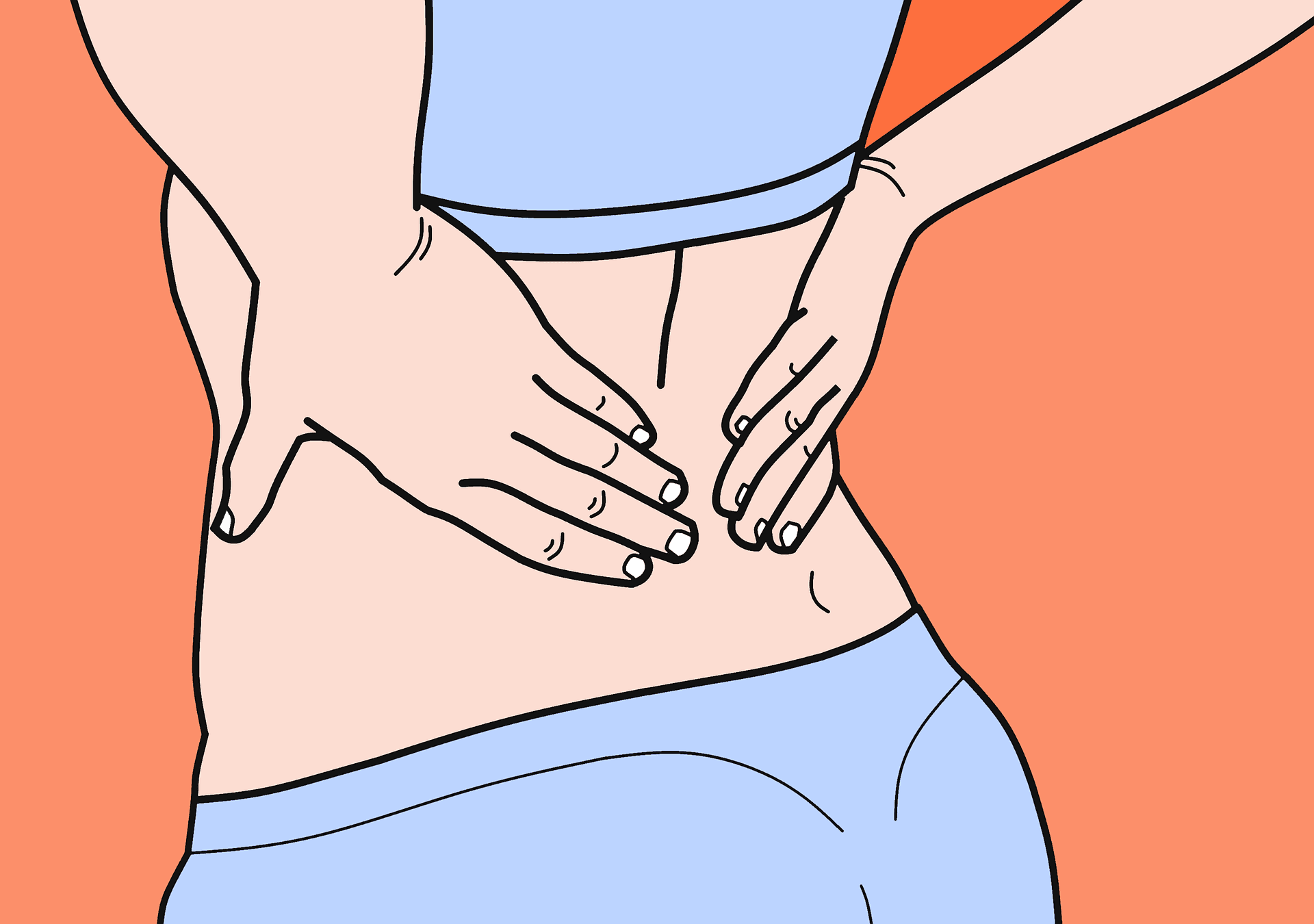
back pain is probably one of the most common widespread complaints in modern Western society. According to research by the Swiss League against Rheumatism, 8 out of 10 people suffer from back pain at least once in their lives [4]. The 2014 health statistics show a similar trend: 35–45% of the Swiss population suffered from back or lower back pain at least once within four weeks [1]. back pain is thus among the most frequent Conditions in Swiss society.
Causes of back pain
The cause of your back pain usually has no pathological background. More specifically, 85% of all back pain is classified as non-specific. This means there is no obvious structural injury causing your pain, and muscular tension or fascial issues are suspected instead [4]. The main causes are lack of movement, being overweight, repetitive movements, but frequent heavy lifting and carrying or poor posture can also lead to muscle tension. Furthermore, psychological factors such as stress, depression, or feeling overwhelmed at work or in everyday life, as well as stressful emotional conflicts, can trigger back problems [5].
The remaining 15% of all back problems have a specific cause, such as spinal stenosis or a herniated disc. In rarer cases, inflammation of the internal organs or a rheumatological condition, as well as vertebral fractures or metabolic diseases, can also trigger back pain [4].
Financial consequences
Back issues are not only troublesome because of the pain, but they also lead to high healthcare costs in Switzerland. In 2018, an interdisciplinary research team calculated the cost of non-communicable diseases for the Swiss population for the first time. They found that musculoskeletal diseases—of which back pain makes up a large proportion—ranked second among the most expensive conditions, at 8.7 billion Swiss francs per year [2]. Furthermore, the 2011 Back Report by the Swiss League against Rheumatism shows that almost a third of a thousand Swiss people surveyed miss work or school at least once a year due to back pain. The majority are absent for one to six days, and for 2.5%, the absence lasts for months [3].
What to do about back pain?
The type of therapy depends on how long your back pain lasts. For acute pain, such as lumbago, osteopathy and Physiotherapy can help you. In osteopathy, manual techniques like mobilisation and manipulation are used to restore the biomechanics of your spine. Through a holistic examination, other problem areas in your body that indirectly affect your back and trigger pain there can also be identified and treated. Physiotherapy treats acute muscle tension using fascial and myofascial release techniques (fascia techniques, trigger point therapy, Dry Needling, etc.). For persistent, so-called chronic back pain, Physiotherapy focuses on guiding and introducing you to active training with exercises and working on your self-management.
Staying active yourself is not just a potential “therapy” for chronic Conditions; it is also the best way to prevent back pain in the first place. Movement improves your posture by building muscle, gives you stability and mobility, and thus improves the way your body functions [4]. To help you get active and make a difference yourself with minimal effort, we present two short exercise routines below—featuring exercises for the workplace and exercises for home—that take up very little time and can be done anywhere: The exercises were put together by students from the Fribourg School of Health Sciences for a campaign against back pain. The graphics were illustrated by Joakim Monnier.
Exercises for the workplace
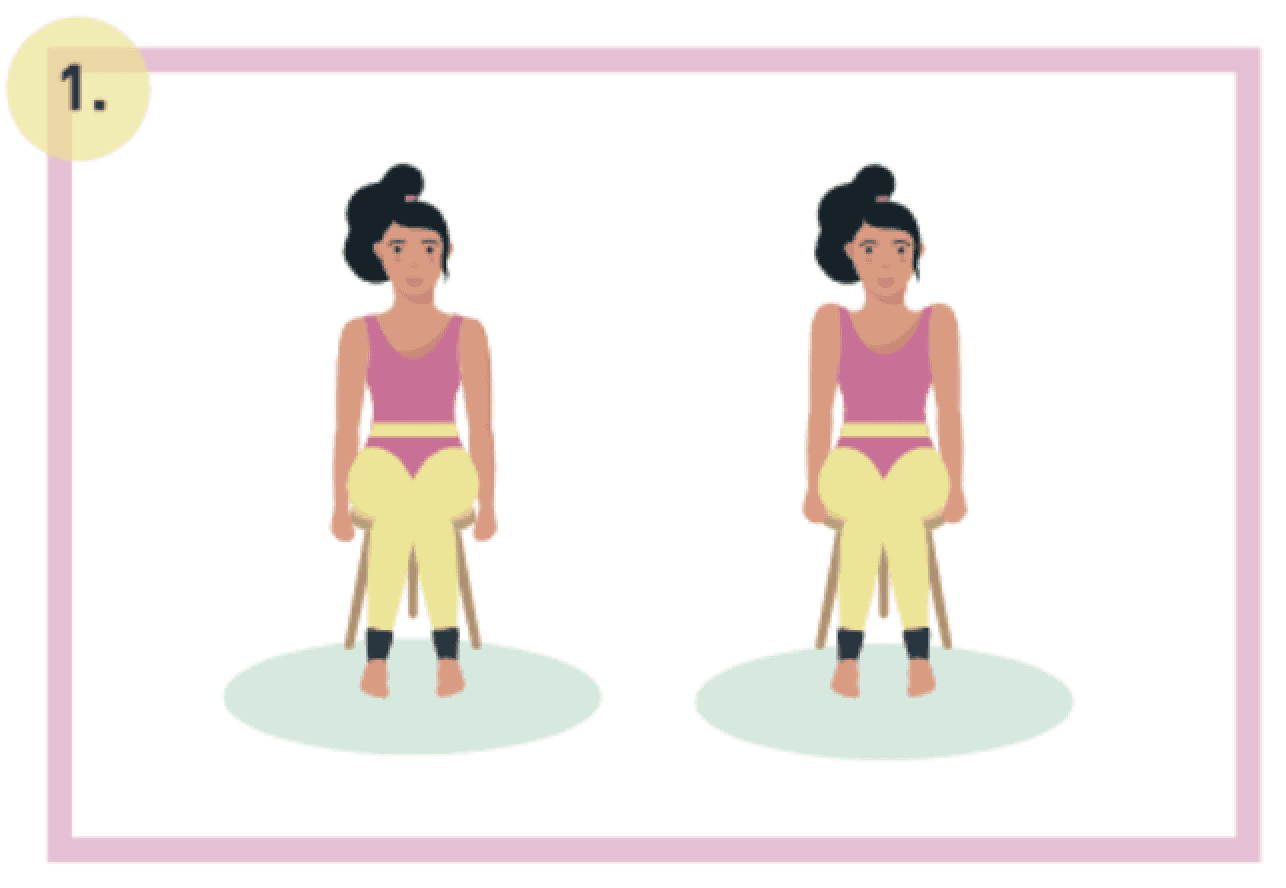
1. Shrug your shoulders up and drop them, 5x
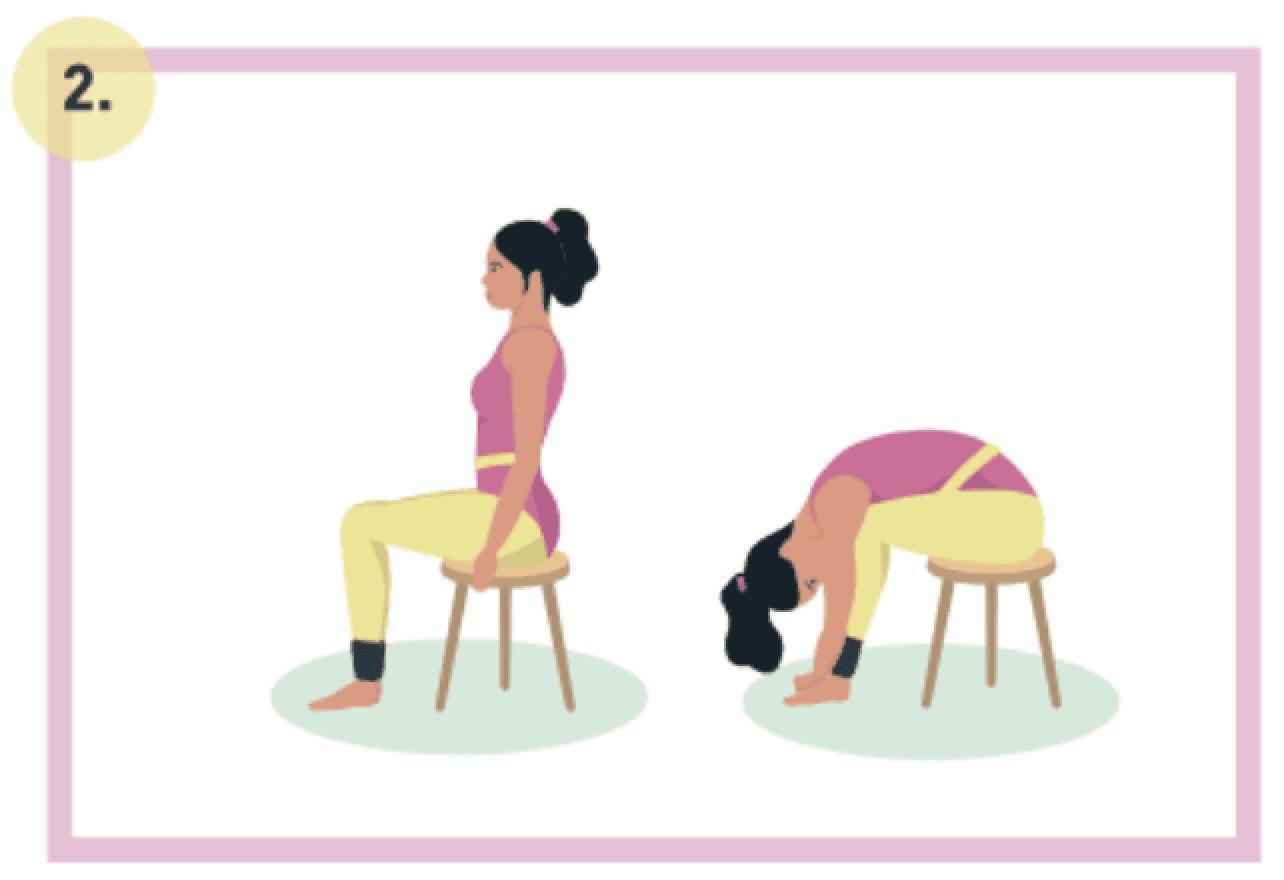
2. Sitting down, bend your upper body over your legs and breathe deeply into the stretch in your lower back, 3x
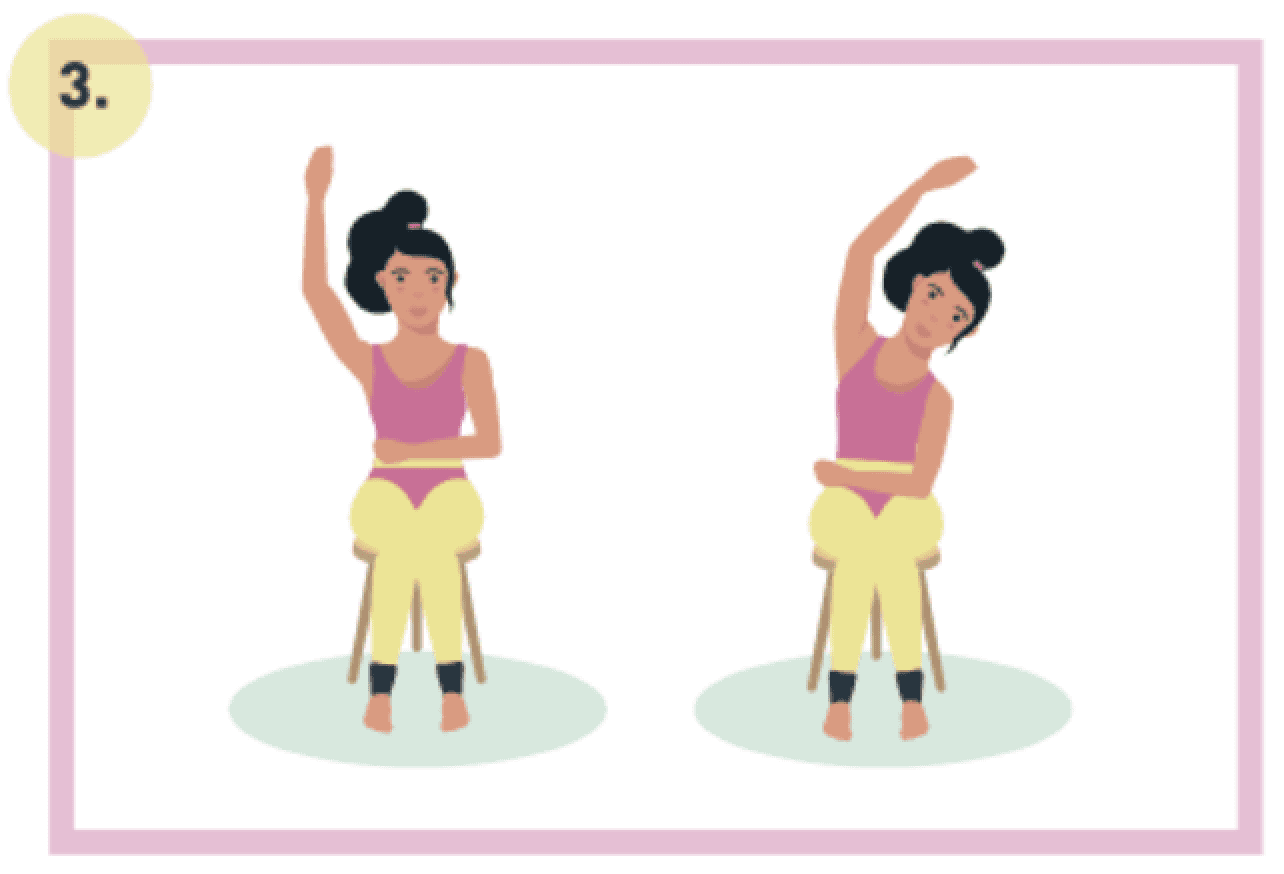
3. Sitting down, place one hand on your belly and bring your other arm overhead to the opposite side without lifting your buttocks off the chair. 3x each side
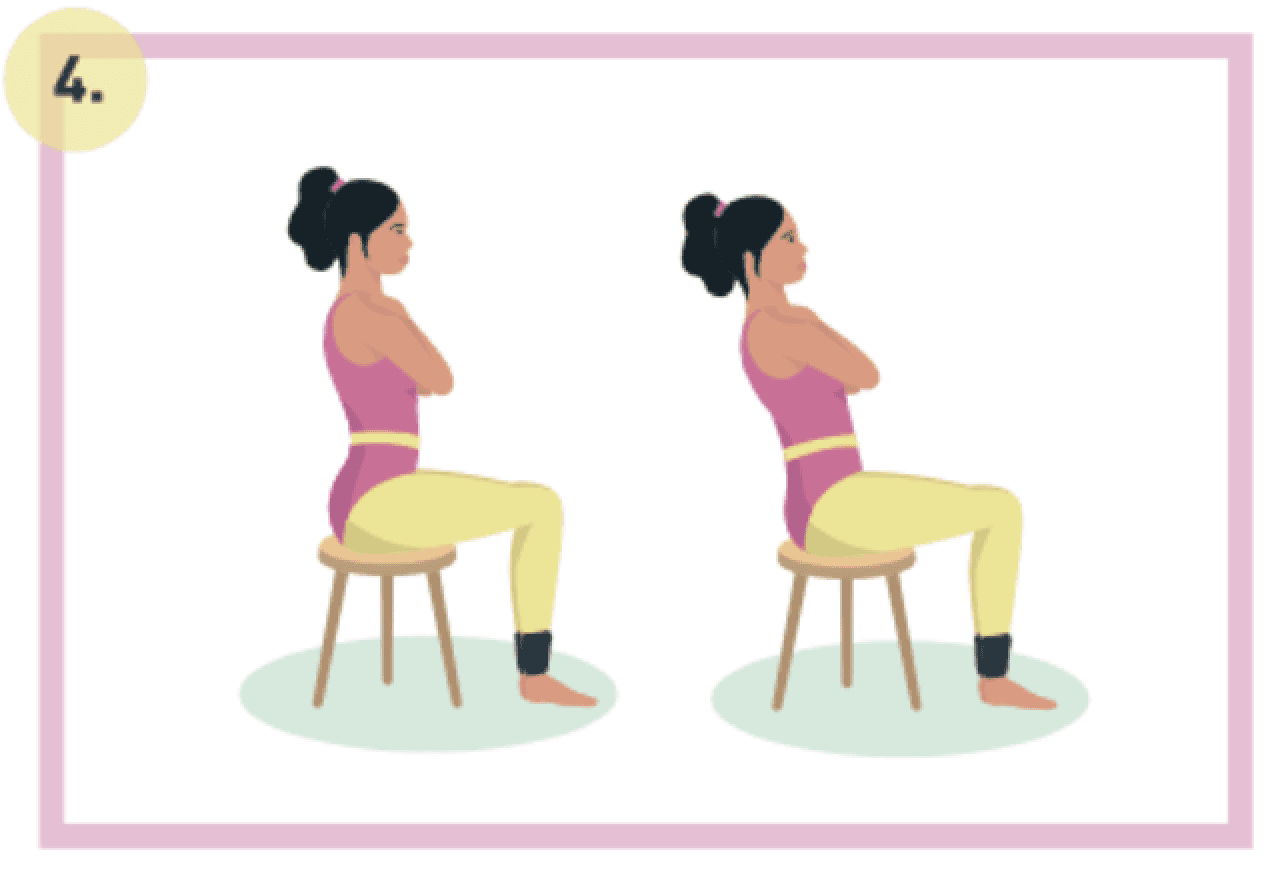
4. Sitting down, cross your arms over your shoulders. Lean back with a straight back until you feel the tension in your abdominal muscles. 10x
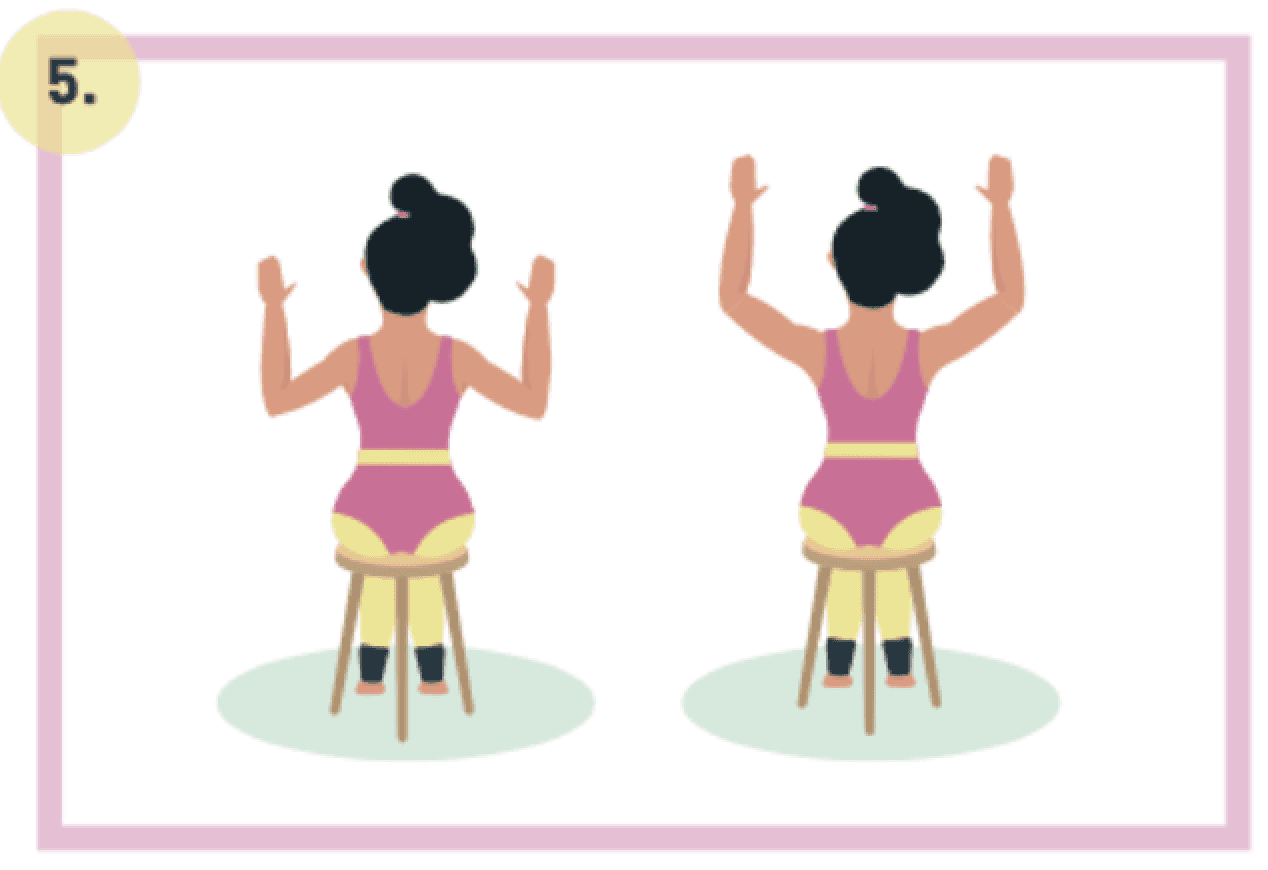
5. Sitting down with your arms bent, draw circles in the air with your hands and shoulder blades, staying within the frontal plane. 5x
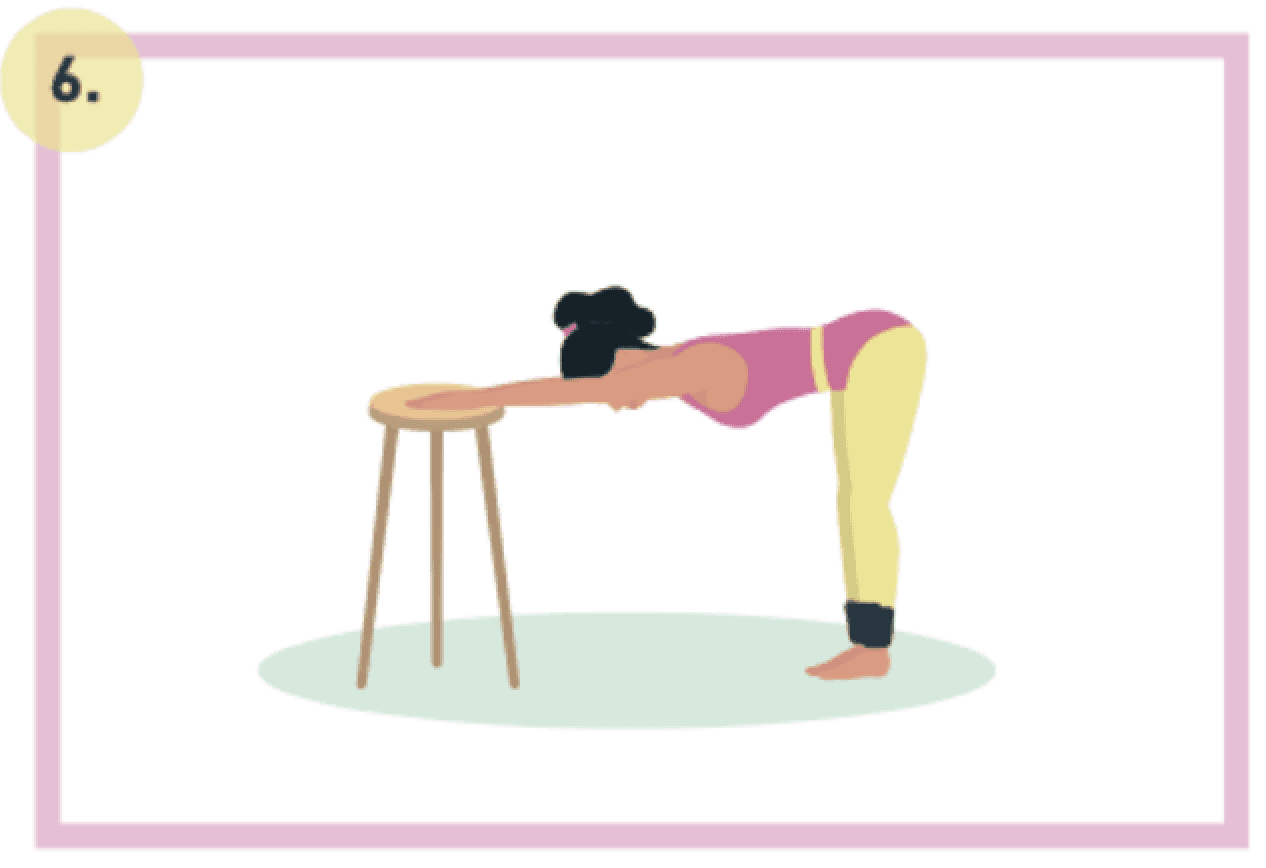
6. Standing up, place your hands on the table/chair and bring your entire back into a horizontal position. Bend your legs if needed. 1x
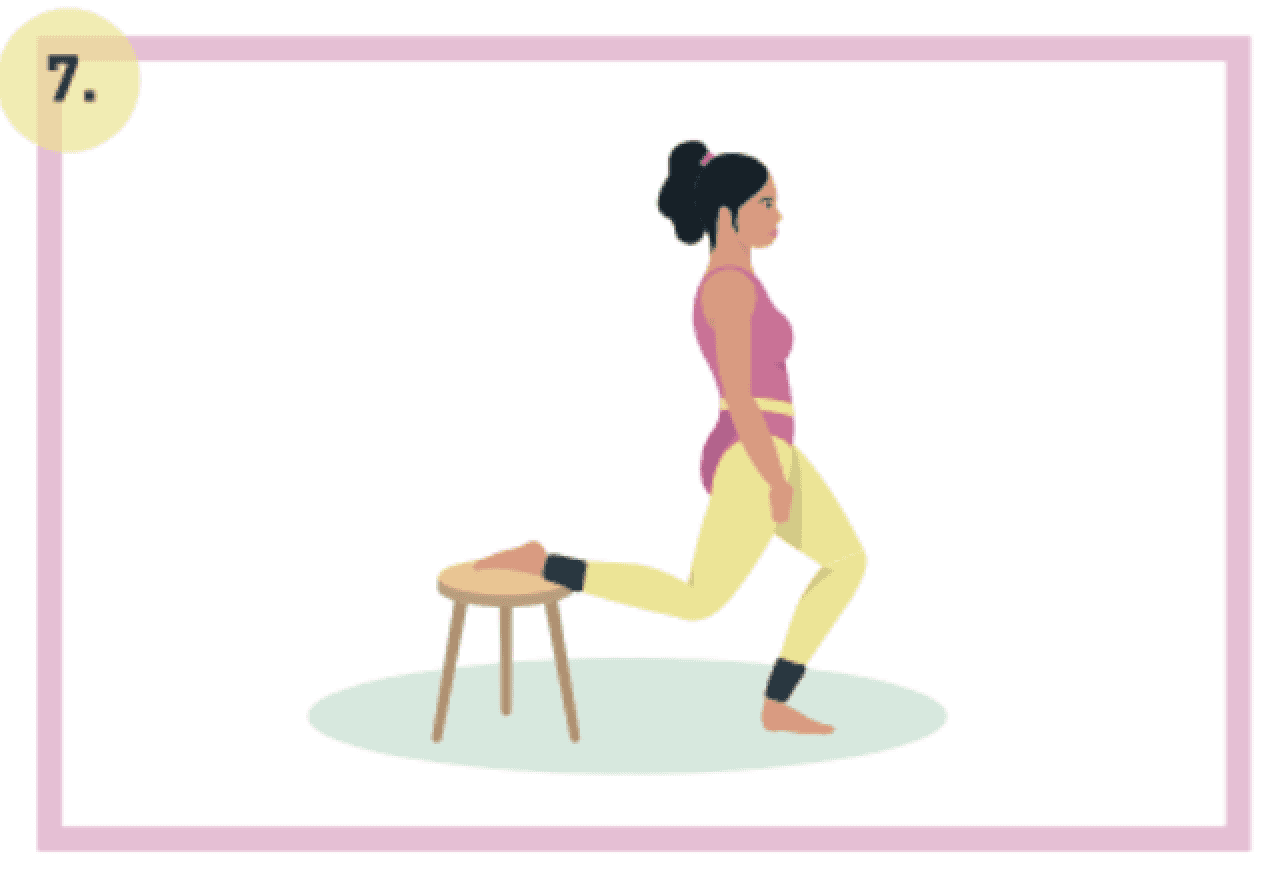
7. Place one foot on the chair with the other stepped forward. Keep your back straight and push your hips forward. 3x per side.
Exercises for home
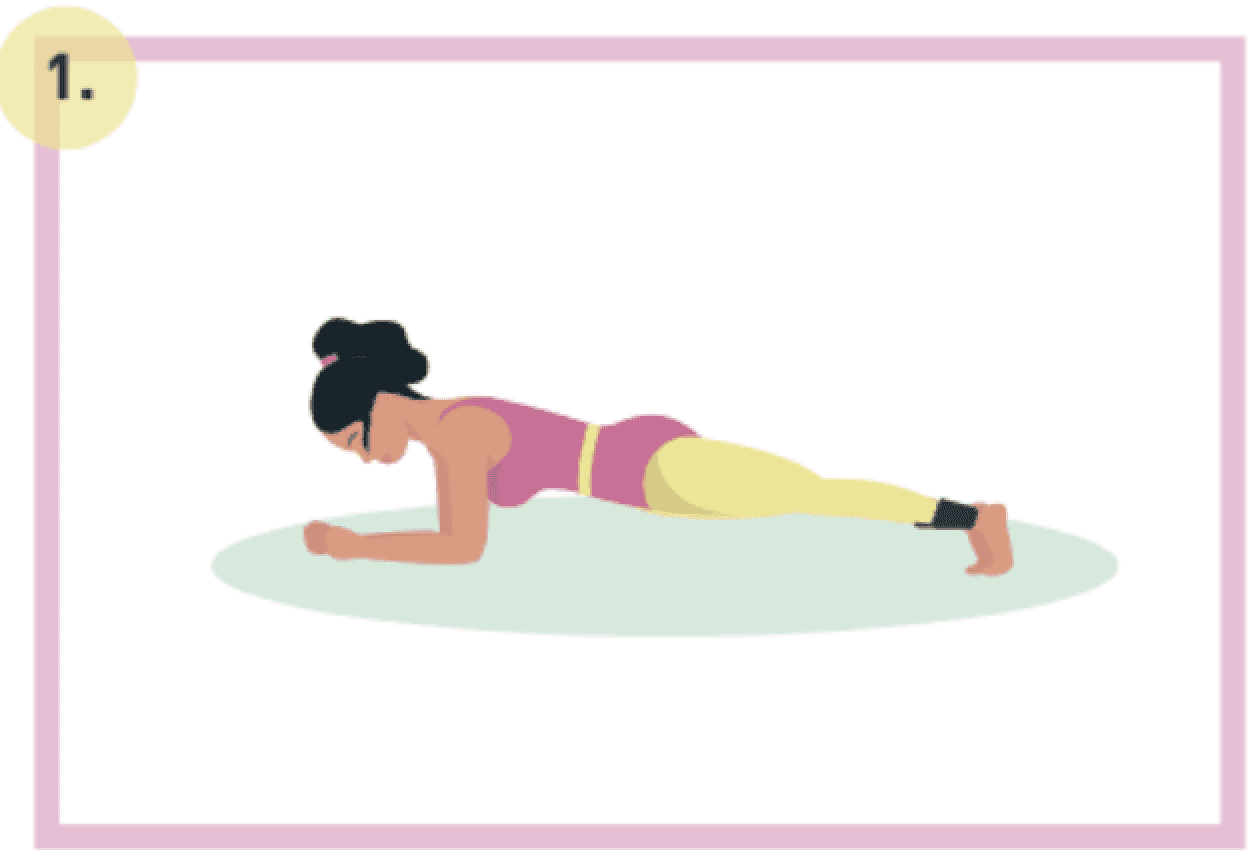
1. Forearm plank, keeping your back straight. Hold for 45 seconds.
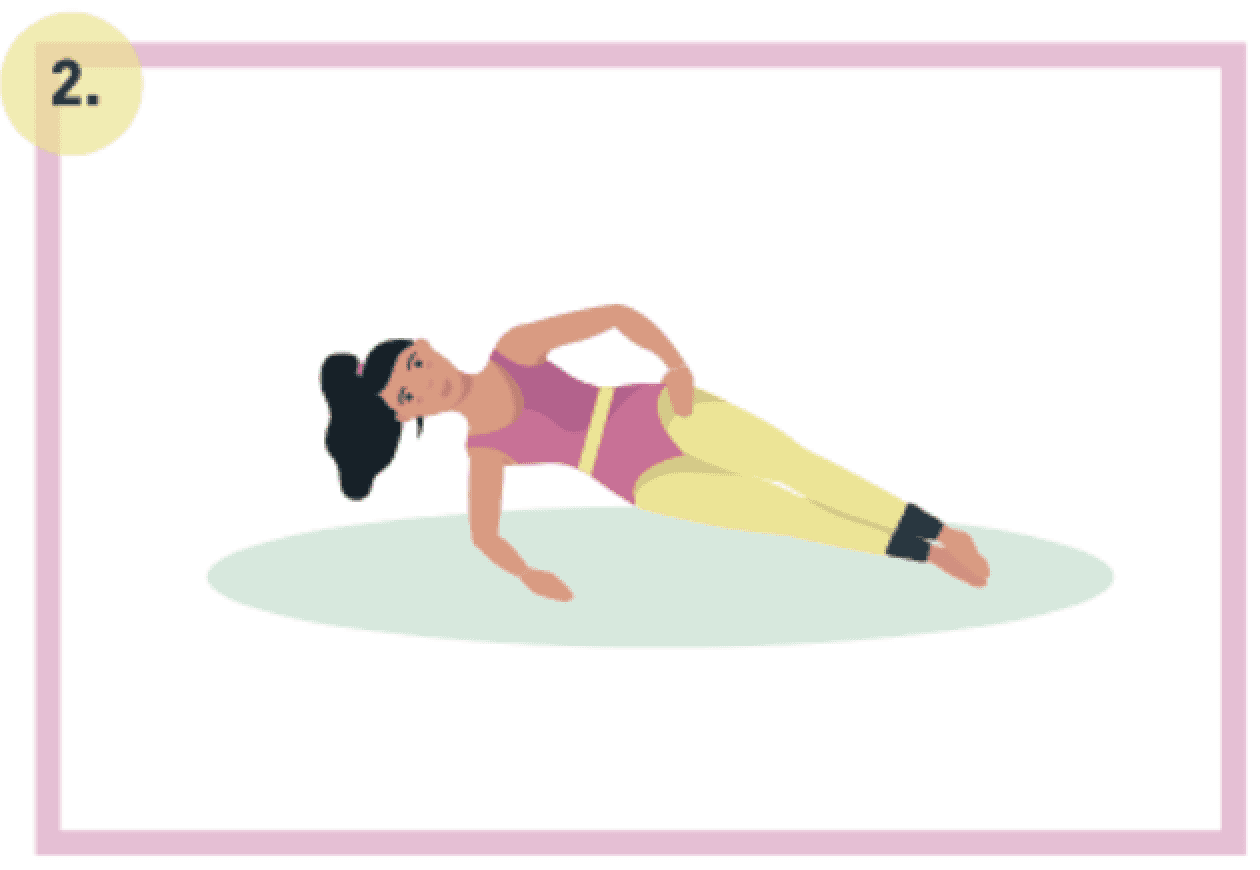
2. Side plank on your elbow. Keep your shoulder directly over your elbow. Hold for 30 seconds per side.
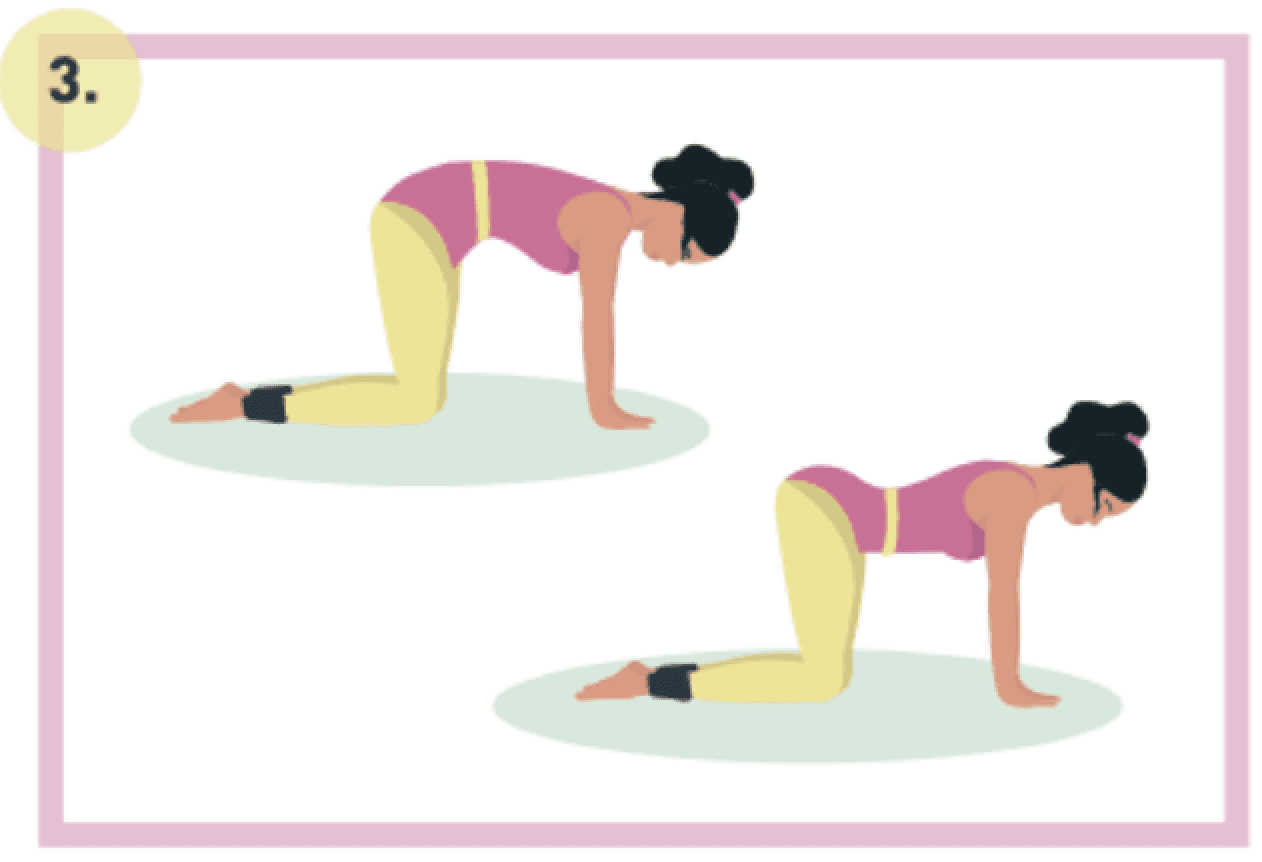
3. On all fours. Alternate between rounding and arching your back. 8x
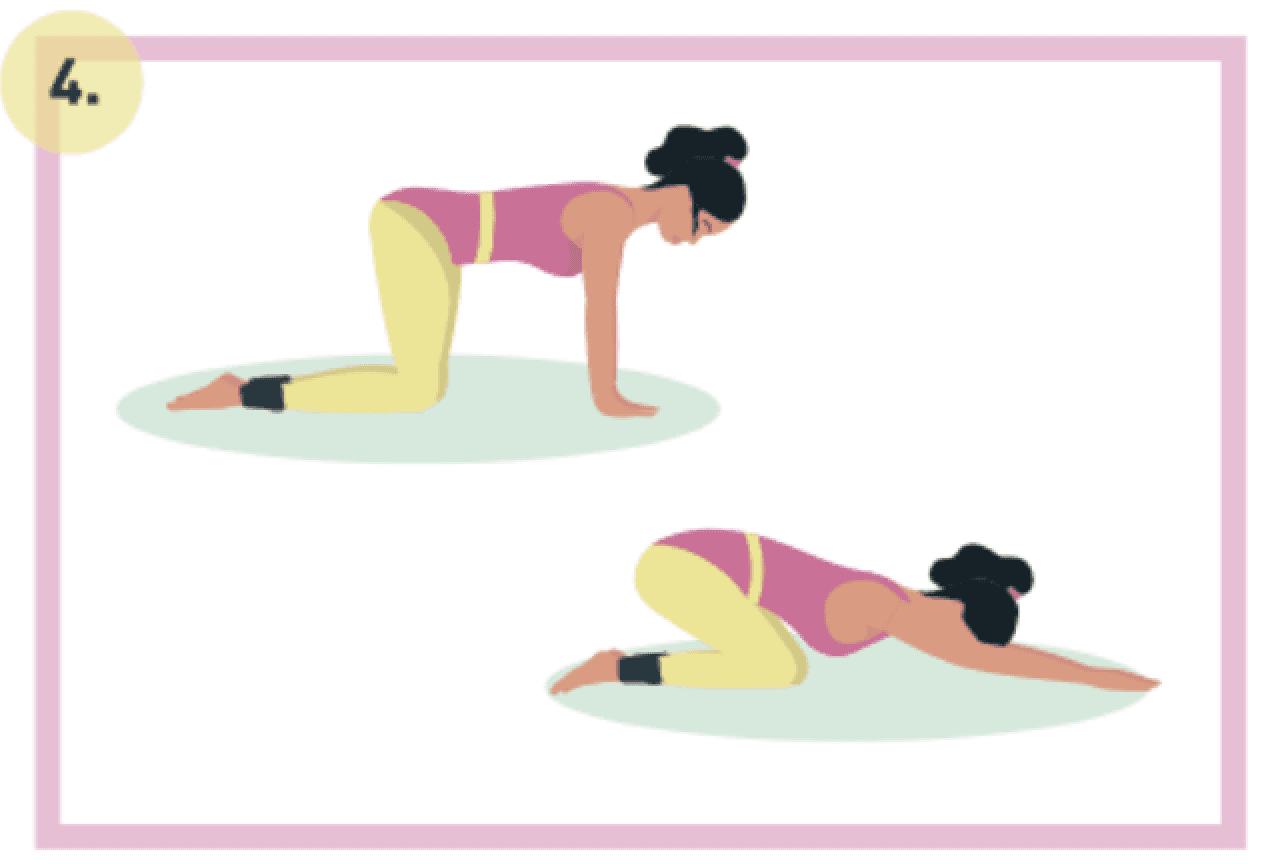
4. On all fours. Sit back on your feet. Stay for 30 seconds.
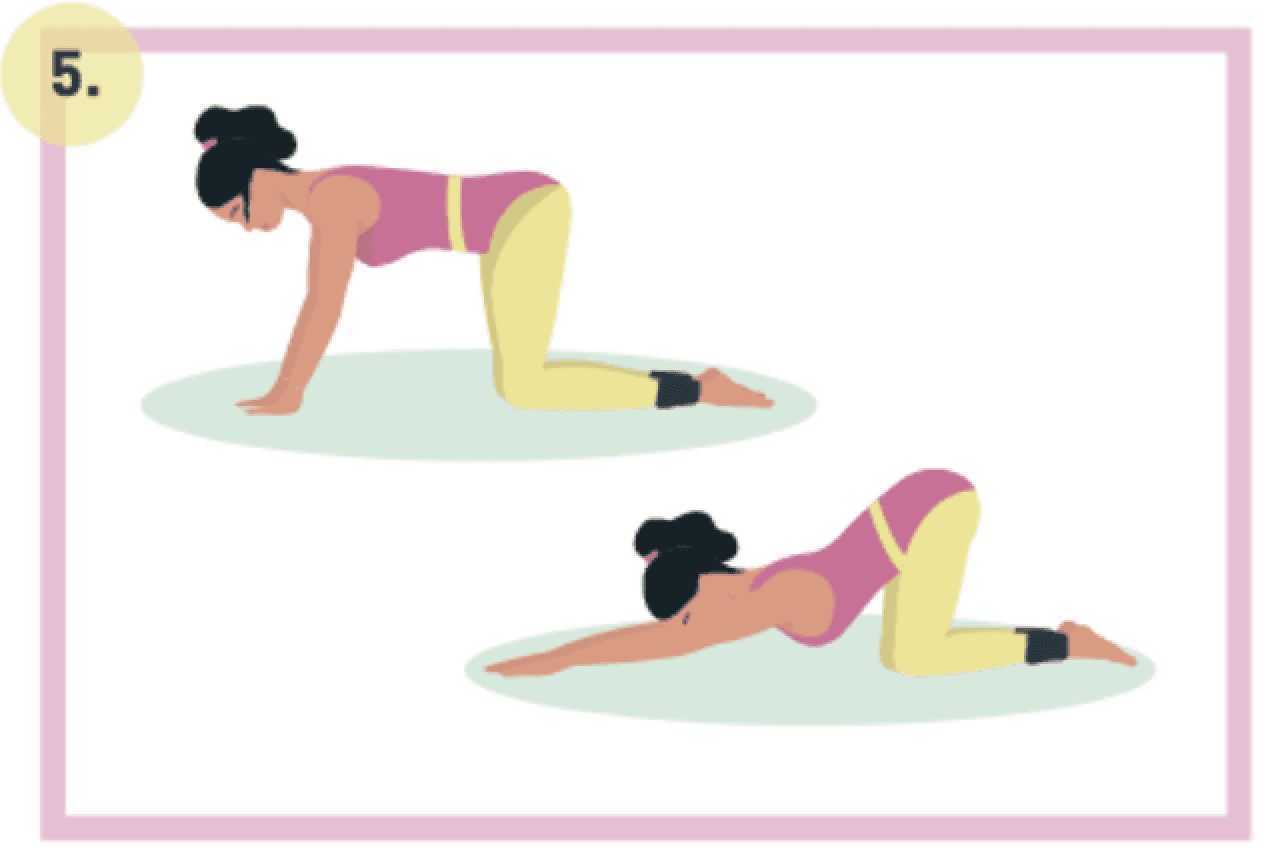
5. On all fours. Lower your breastbone toward the floor. Stay for 30 seconds.
6. Lying on your stomach, rest your forehead on your hands. Lift your upper body off the floor.
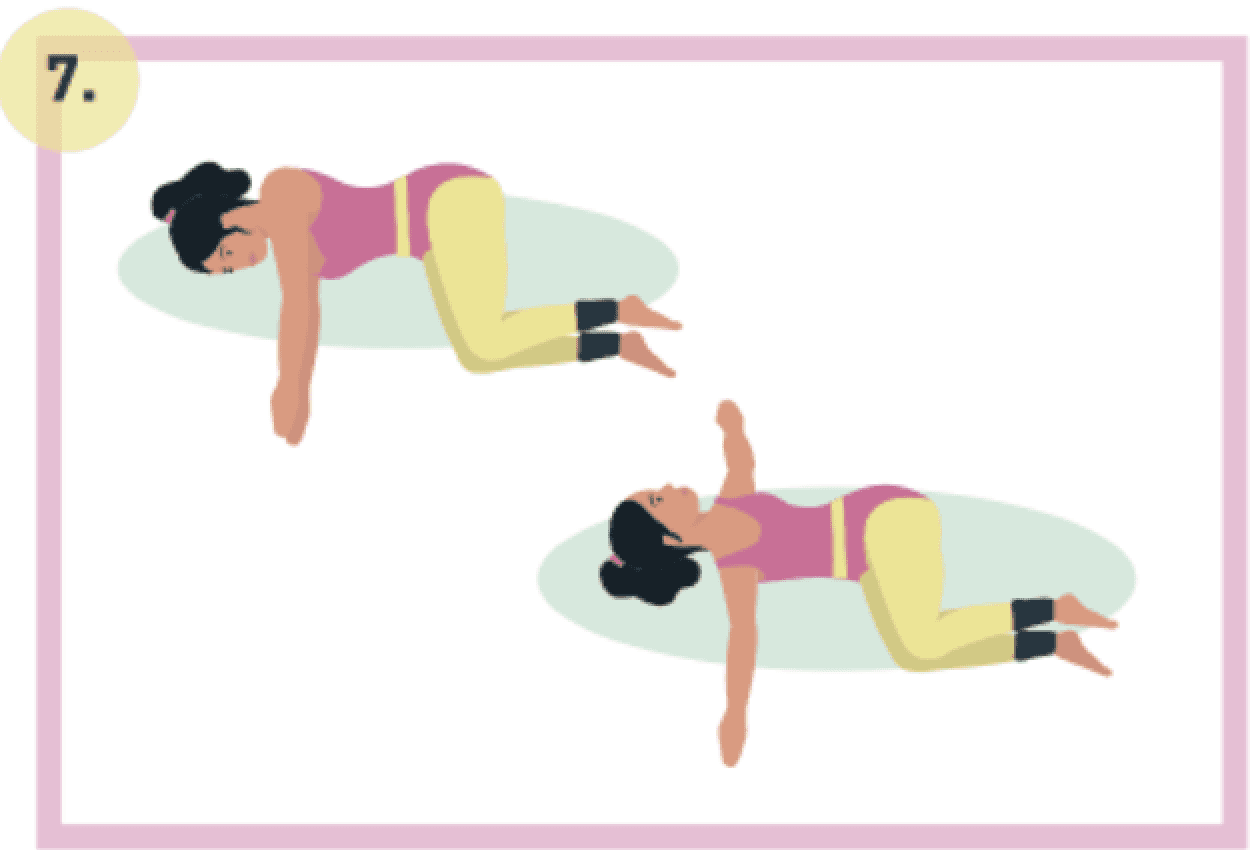
7. Lying on your side with your knees bent. Rotate your upper body to the other side while keeping your hips steady. 3x
We are also happy to provide you with the respective PDF files of the exercises for download (Exercises for the workplace | Exercises for home), so you can always have them handy and do them in the office during your lunch or coffee break, or at home… If you have any questions, feel free to contact the physiotherapists or osteopaths at BodyLab. We are happy to help you.
Whenever you need us, we are here for you!
Your BodyLab team, by your side for acute and chronic back pain
Osteopathy and Physiotherapy | Rehabilitation and Training
Zurich Altstetten
Find out more on our page about back pain.
References
Health Section, Federal Statistical Office (FSO), Neuchâtel, 2014, Corrected version from December 2016, ISBN 978-3-303-14212-7
[2] Switzerland pays a high price for non-communicable diseases
Carola A. Hubera, Simon Wieser
Swiss Medical Journal, 2018;99(33):1054–1056
[3] Swiss Back Report – The survey on the back health of the Swiss public
Gerfin A. et al.
Swiss League against Rheumatism, 2011
[4] Swiss League against Rheumatism
[5] Infomedizin – Texts written & reviewed by doctors
The exercises were compiled by students from the Fribourg School of Health Sciences on the occasion of a campaign against back pain. The graphics were illustrated by Joakim Monnier. With kind thanks for permission to use them.
Cover image credit
https://pixabay.com/es/service/terms/, Dolor espalda, CC0 1.0