









When pain restricts your freedom of movement and everyday activities become a challenge, manual therapy can make the decisive difference, through precise hands-on techniques that restore your natural mobility.
Why Manual Therapy Is Your Next Power Move
The Power of Manual Therapy
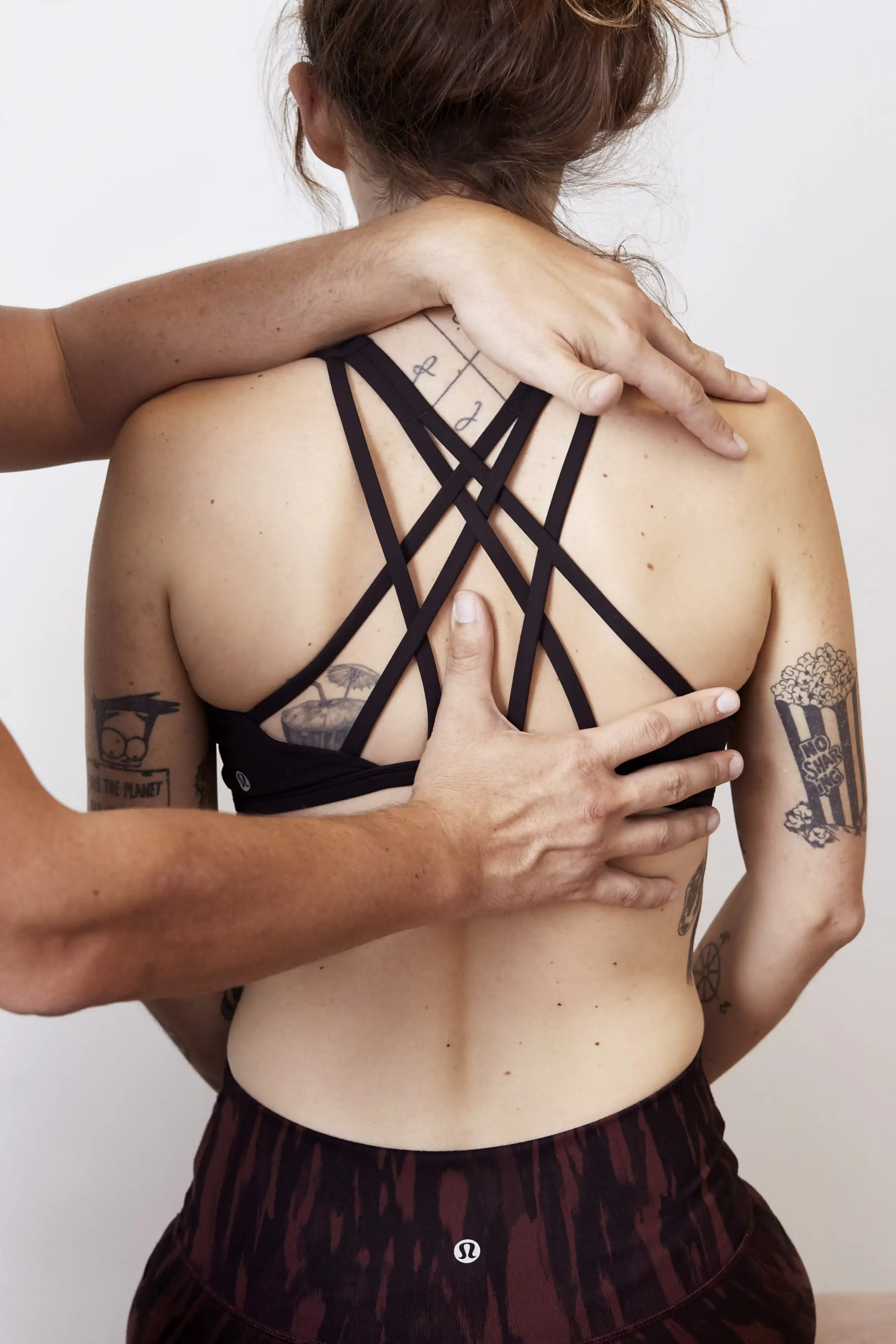
Manual Therapy is a specialized, hands-on treatment in osteopathy and physiotherapy designed to target pain and optimize the mobility of your joints and tissues. Using precise, skilled techniques, it goes far beyond the major joints—even the smallest joints are mobilized to unleash your body's full potential and elevate your entire movement flow.
At a Glance
Manual Therapy encompasses all specialized hands-on techniques designed to optimize the mobility of your joints and other tissues within the musculoskeletal system. This includes fascia, muscles, ligaments, organs, and even bones.
The treatment spectrum ranges from gentle mobilizations and myofascial techniques to manipulations—the well-known "adjustment techniques" (HVLA – High Velocity Low Amplitude) favored by our osteopaths. This diverse range of techniques ensures we can select the perfect treatment tailored to every single situation.
In a nutshell
The most important techniques at a glance
Discover the powerful, hands-on techniques that drive Manual Therapy
Mobilizations
Gentle, rhythmic movements to enhance joint mobility. These techniques are particularly effective for chronic limitations and help gradually restore normal joint function.
Empowerment
The swift, targeted impulse techniques (the characteristic "crack") often provide immediate effect. Especially after acute events like a sudden lumbago or back blockages, these techniques can offer rapid relief. In specific cases, they can also alleviate pelvic issues and lumbar spine complaints during pregnancy.
Translational Techniques
After incidents like inversion traumas, residual complaints can remain despite normal mobilization. Small, precise translational movements help resolve the final restrictions here. Even for persistent spine or shoulder problems that don't respond sufficiently to conventional mobilizations, these fine shifting techniques often demonstrate remarkable effectiveness.
Myofascial Techniques
The treatment of muscles and fascia effectively breaks up adhesions and tension in the tissue. These techniques enhance blood circulation and support rejuvenation.
Nerve Mobilization
By using targeted techniques, we optimize nerve glide capabilities, which is especially important for those experiencing radiating pain or tingling sensations.
manual therapy in Detail
The art of manual therapy lies in precise diagnostics and the targeted application of various techniques. Trained hands palpate restrictions in your movement and treat them with specific grips. This is about far far more than just releasing blockages—it is a holistic approach that takes into account the complex interactions of your musculoskeletal system. Every structure in your body is connected to others: A blocked sacroiliac joint can cause knee pain, while tense neck muscles can lead to headaches. manual therapy recognizes these biomechanical links and treats not only your symptoms, but also the underlying causes.
What makes manual therapy special is the variety of available techniques and how precisely they are tailored to your individual needs. While gentle mobilizations improve joint play and stimulate the production of synovial fluid, targeted soft-tissue techniques can release tight muscles and adhered fascia. The treatment always follows biomechanical principles and respects the natural movement axes of your body. This ensures that the therapy is not only effective, but also gentle on you.
The Treatment Process
Initial Examination and Assessment
We start with a thorough examination of your Conditions. Using special tests, movement restrictions are identified and the affected structures are located. This precise assessment forms the foundation for your successful treatment.
Individual Treatment Plan
Based on your findings, we create a tailored treatment plan for you. The techniques that are optimal for you are selected—ranging from gentle mobilizations to targeted manipulations.
The Treatment
The techniques are applied precisely and with controlled intensity. During mobilizations, you will feel gentle, rhythmic movements. During manipulations, a short, targeted impulse is delivered—often accompanied by an audible “click” or “pop,” which is completely harmless and signals the release of the blockage.
Follow-up Care and Integration
After the manual treatment, it is important to integrate your newly gained mobility. Your therapist will show you specific exercises that you can do at home to stabilize your treatment success.
Understanding How It Works
manual therapy works on various levels. Mechanically, movement restrictions are released and joint function is improved. Neurologically, pain receptors are influenced and proprioception (body awareness) is trained.
When a joint or tissue cannot move optimally, other structures have to compensate. These compensation patterns often lead to overload and pain in completely different areas. manual therapy breaks these patterns and restores your natural balance.
What is especially fascinating: by improving mobility in one area, positive effects can be felt throughout your entire body. A mobilized thoracic spine improves not only local mobility, but also positively influences breathing, shoulder function, and even digestion. Typical areas of application are neck pain, a stiff neck, frozen shoulder, and si joint pain. You can read more about this in our articles on the thorax examination, on the joint capsule and ligaments, and on osteoarthritis.
Manual therapy is a core component of both physiotherapy and osteopathy. With a doctor's referral, basic insurance (KVG / UVG / IV / MV) covers physiotherapy according to the standard tariff. Osteopathic treatments are covered under the supplementary insurance (complementary medicine) of most health insurance providers—coverage varies depending on your policy. Please verify this with your insurance provider in advance.
What is your next power move?
Manual therapy delivers the ultimate results when you take charge and actively drive your own recovery.
Movement in Everyday Life
Harness your newly gained mobility and integrate it into your daily routine. Break free from repetitive strains and embrace a dynamic variety of movements.
Home Workouts
Perform your recommended exercises regularly. They are your key to maintaining and elevating your treatment success.
Mind Your Posture
Great posture takes the pressure off your joints and tissues. Make sure you set up an ergonomic workspace, especially when sitting for long periods.
Warmth and Relaxation
When tension strikes, heat is your best ally to unlock and soothe your muscles. Make sure to carve out regular, well-deserved moments of relaxation to recharge.
Who is this for?
Who is Manual Therapy designed for?
Manual Therapy is the ultimate solution for both acute and chronic musculoskeletal issues. You will experience a major breakthrough if you are struggling with:
Acute Concerns
Sudden lower back spasms, acute spinal blockages, recent injuries from accidents or falls, sudden limits in your movement, intense neck tension, or blocked ribs that restrict your breathing.
Chronic Limitations
Overcoming persistent joint stiffness, conquering recurring back pain, reclaiming your mobility after surgery, mastering osteoarthritis discomfort, and releasing chronic muscle tension.
Special Situations
Overcoming post-pregnancy challenges, bouncing back fully from injuries, reclaiming your mobility as you age, mastering sports-related strain, and correcting posture issues to unlock your full potential.
What to Expect & FAQ
What to expect when you level up your life with us
Each session lasts about 30-45 minutes. While manual therapy can deliver instant relief—like HVLA for blocked joints—it is not a standalone quick fix. Lasting results come from your active dedication, training, and smart load management.
Your dedicated team of specialists