Back
Posture
At our clinic BodyLab | Osteopathy and Physiotherapy | Rehabilitation and Training in Zurich Altstetten, we often hear people say: "My posture is not good. And because of my poor posture, I have neck, shoulder and back pain. I try to pay attention to my posture, but it still doesn't do much. What is the best thing I can do?"
How does our posture develop?
Our posture is controlled by proprioception, a feedback system for perceiving movement and body position in space. This is mainly controlled through deep sensitivity and the vestibular organs in the inner ear.
There are receptors in our joints that report the position and/or movement of our joints to the brain.
The eyes allow us to anticipate shifts in our center of gravity in order to react through appropriate muscle activity and remain upright. When we close them, we sway more.
In the inner ear are our balance organs, which are equipped with receptors. These give us an idea of our body's position (upright, lying down, etc.) in space. In case of dizziness, this feedback is disrupted.
These three systems complement each other and send information for a desired muscular response to the motor cortex in the brain. This in turn reacts with signals to the muscles so that we adopt the required posture through contraction.
Is posture an active process?
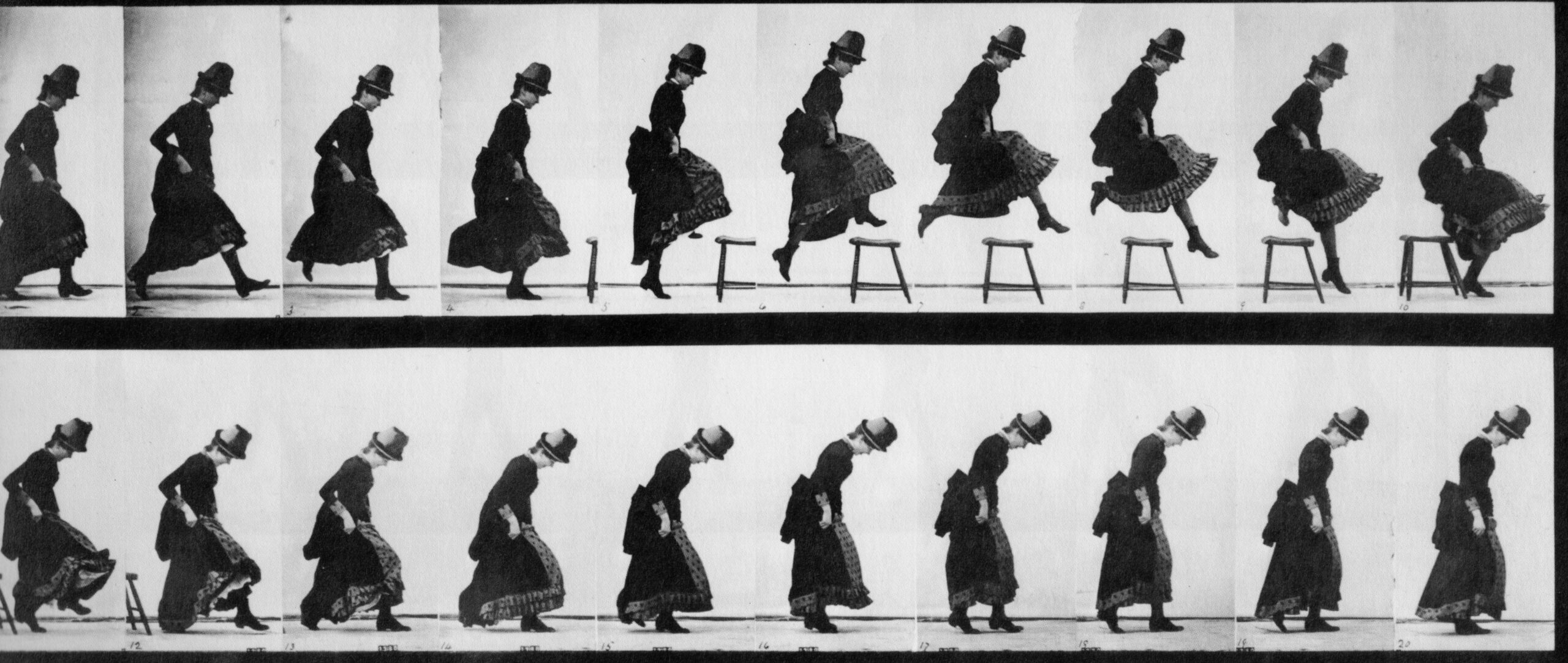
Basically, body posture can be seen as an active process. By contracting our muscles, our joints are brought into the desired position to ensure optimal biomechanics during the movement or holding process. In addition, posture can be active when we stand up straight or tilt the pelvis. However, this would mean continuous conscious activity, otherwise we would fall over. Since we are also busy with other things in everyday life, posture is controlled unconsciously. This means that the muscles are constantly under slight tension and react to changes in the body's center of gravity. If we stretch our backs or move our shoulders back from time to time while working, this is a good loosening up of the static posture, but it does not have a lasting effect on our overall posture.
How do I improve my posture then?
The basic requirement for improving posture is the optimal functionality of the entire musculoskeletal system. This includes joint mobility and muscle strength. If, for example, the ankle or pelvis is not 100% free to move, it is difficult to build up posture because biomechanics are impaired. This also requires efficient muscle development. On the one hand, muscles can be too weak (because we sit for 8 hours a day), they can be asymmetrically developed (because we only move in one direction), or they can be shortened.
To improve our posture, we need:
optimal functioning of our body without biomechanical limitations aka joint mobility
an efficient muscle system aka strength
an optimal length of the muscles aka flexibility
A ballerina, for example, no longer has to pay attention to her posture. She has optimal biomechanics, flexibility, and a strong muscular system. She has quite simply programmed it into her joints. This knowledge proves and can motivate us that good posture is a matter of practice and can therefore be learned. Through regular joint treatment combined with specific stretching exercises and targeted muscle building, everyone can optimize their posture in the long term. This in turn has a positive effect on physical complaints and pain, and helps us to get them under control.
If you need us, we are always here for you!
Your BodyLab Team, your partner for an upright, resilient posture
Osteopathy and Physiotherapy | Rehabilitation and Training
Zurich Altstetten