Hip pain can take many forms: a pulling sensation in the groin when you stand up, a stabbing pain on the outer side when you lie down, or a stiffness that accompanies your first steps in the morning. Where your pain sits and when it appears says a lot about what is behind it. At BodyLab in Zurich Altstetten, we clarify this systematically: physiotherapy and osteopathy under one roof, from the first assessment to training in our own functionally equipped training area right in the practice.

Where do you feel the pain? Let's target it.
Pain on the outside of the hip
Pain on the outer hip, typically triggered when lying on the affected side or climbing stairs, usually originates from the tendon attachments and bursae on the greater trochanter. Discover more on this further down the page.
Lateral Hip Pain (Trochanteric Bursitis and Tendon Irritation)
Gluteal muscles attach to the outside of your hip bone (the greater trochanter), with bursae positioned in between. When tendon attachments or bursae become irritated and inflamed, it is referred to as trochanteric bursitis or greater trochanteric pain syndrome. Typical symptoms include tenderness on the outside of your hip, pain when lying on your side, and pain after walking for a while. These irritations usually respond well to targeted load management and strengthening exercises. In Physiotherapy, we combine manual techniques with a personalized exercise plan so your tendons can handle stress again. If your knee also hurts, we will look at your entire leg alignment; find out more under knee pain.
Pain in your buttock, radiating into your leg
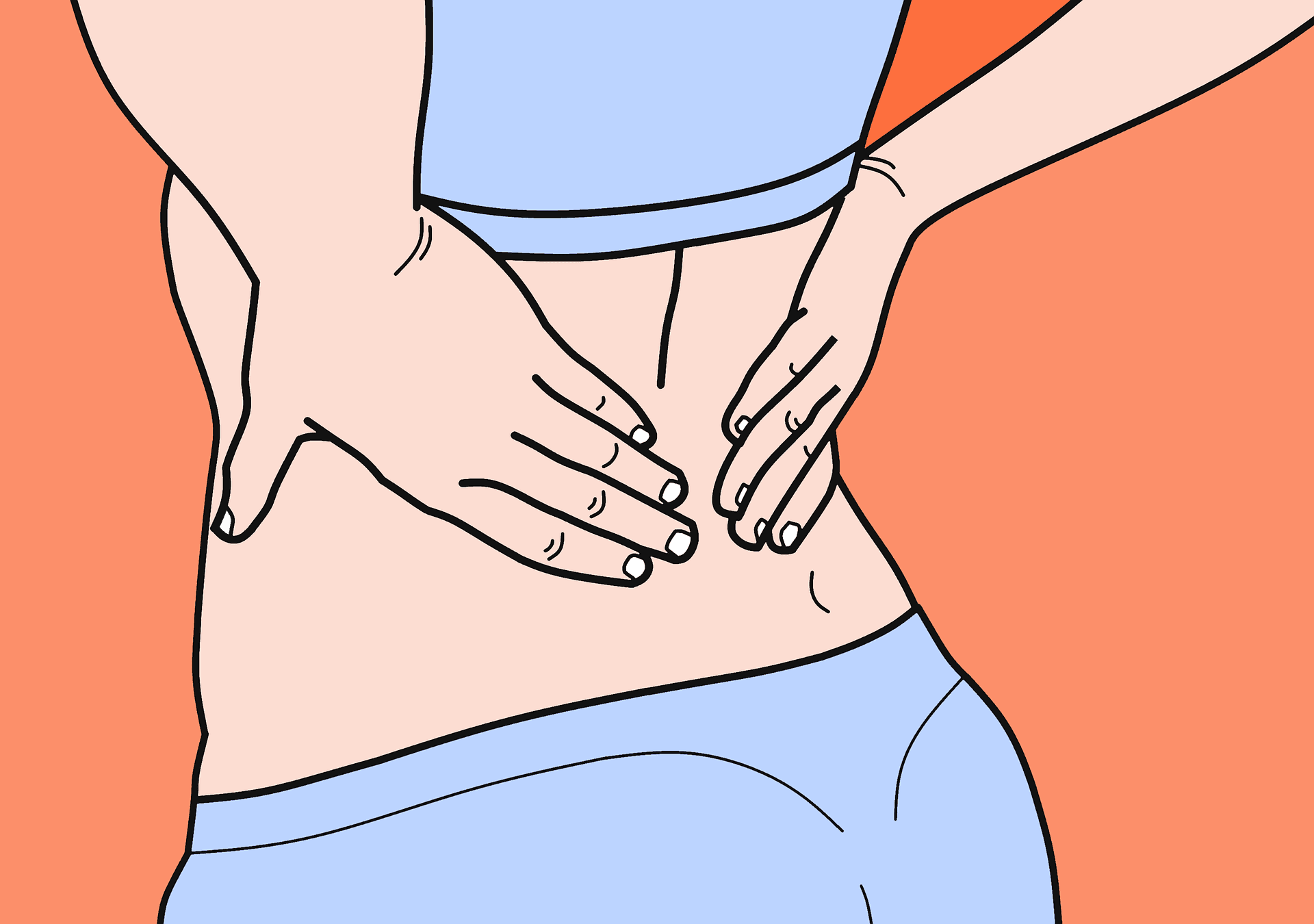
Not all hip pain actually comes from your hip. Deep buttock pain, sometimes radiating down into your leg, can originate from your buttock muscles (such as the piriformis), but also from your lower back or the sciatic nerve. Making this distinction is important because it changes your treatment. That is exactly what our assessment is for: We test whether your pain comes from your hip, muscles, or lumbar spine.
If your pain radiates more from your back: back pain
Hip and pelvic pain during pregnancy
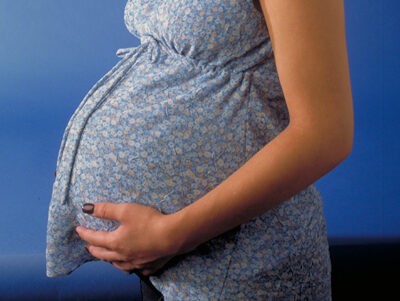
During pregnancy, hormones and shifting weight transform your body's mechanics: your pelvis and hips adapt to new demands, and the symphysis and pelvic girdle can sometimes ache—especially when walking, climbing stairs, or turning in bed. While this can be challenging, it is highly treatable in most cases. We are here to support you with tailored manual techniques and targeted exercises perfectly suited to your journey.
After your hip transformation
Whether hip replacement (total hip arthroplasty) or joint-preserving surgery: After an operation, rehabilitation plays a key role in how well you get moving again. At BodyLab, Physiotherapy and medical Training therapy (MTT) support you in a structured way through the rehab phases as one of several training options, in close coordination with your doctor.
This is how your BodyLab treatment works
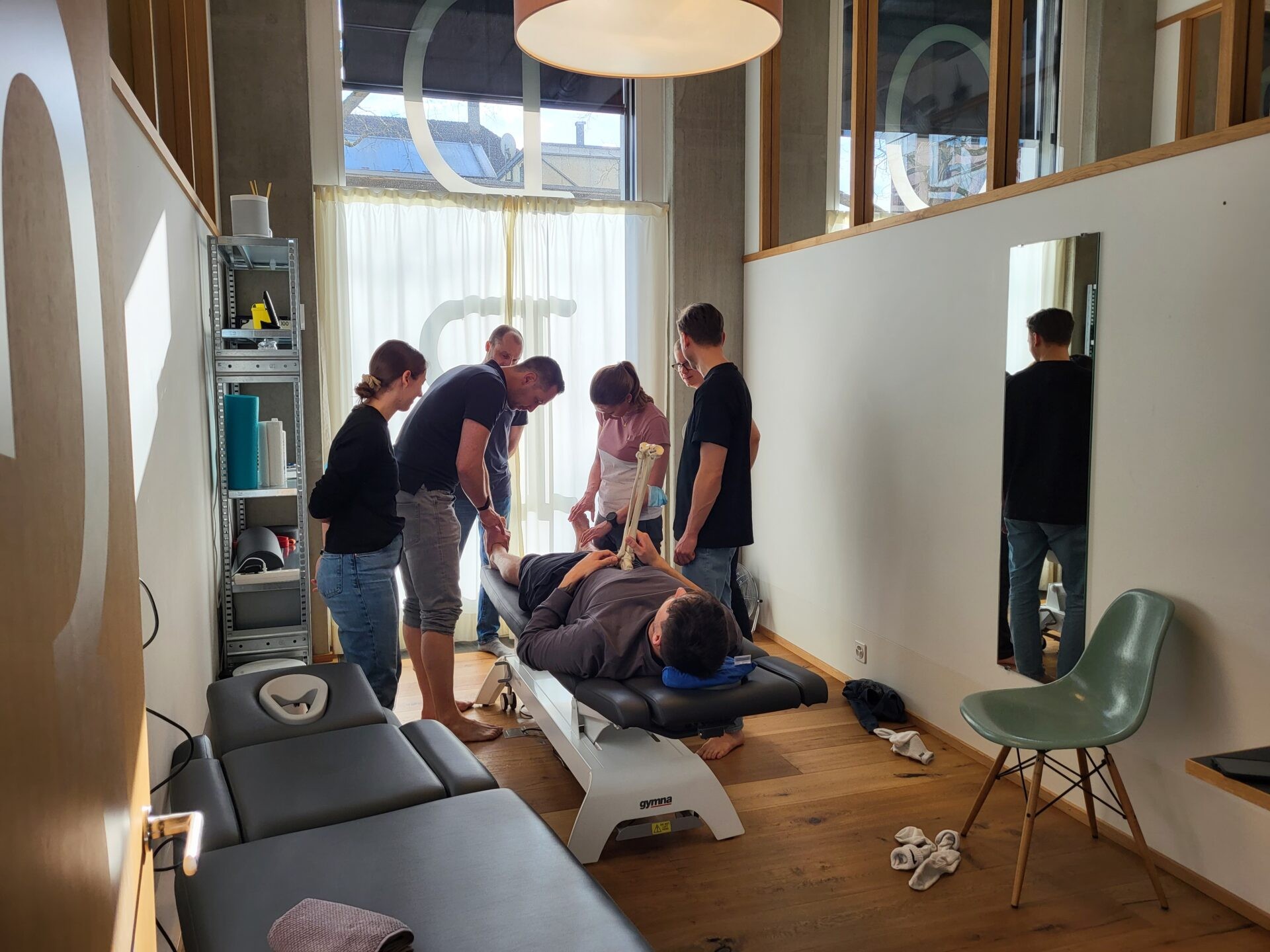
Everything starts with an assessment: We take a close look at your hip, your movement patterns, and your history. From there, we create your personalized plan. Depending on the cause, we work with manual therapy and targeted exercises in Physiotherapy, with osteopathy that incorporates the interplay between joint, pelvis, and surrounding structures, or with progressive training right in our practice's workout area. Our interdisciplinary team of physiotherapists and osteopaths coordinates directly with each other—short distances, one file, one plan. Has your hip pain been with you for more than three months? Then you'll find a dedicated pathway on our page for chronic pain.
When to consult your doctor
Hip pain is rarely dangerous. However, you should seek immediate medical evaluation if you experience any of these signs:
Hip pain following a fall where the leg cannot bear weight: a fracture must be ruled out first
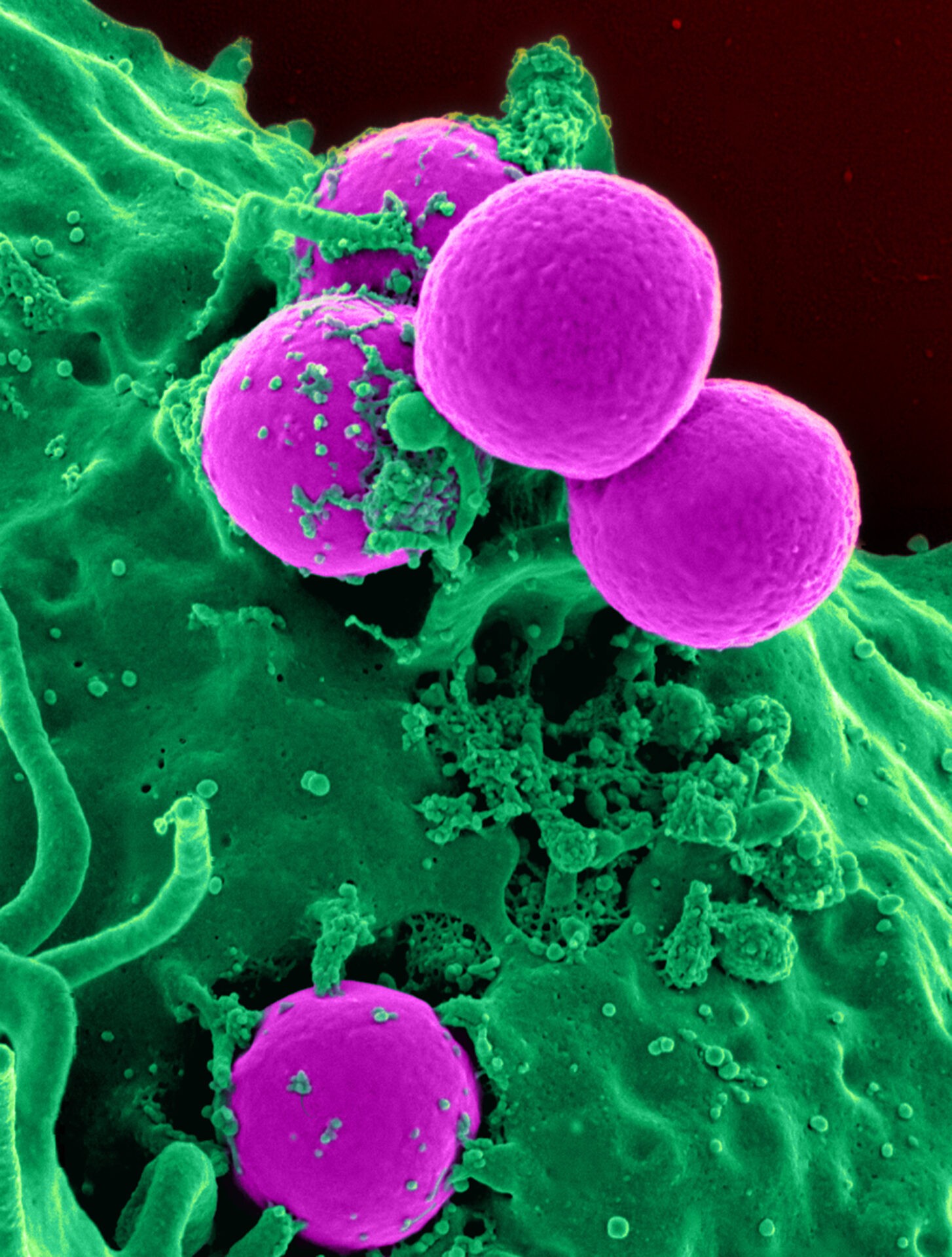
Fever accompanied by sudden, severe hip pain: a potential sign of a joint infection
Hip pain in children and adolescents, especially when accompanied by a limp: growth-related conditions must be ruled out
These signs are rare. If none of them apply to you, nothing stands in the way of your treatment with us.
Who covers the cost? Let's talk investment in your future.
Physiotherapy is covered by basic insurance with a doctor's referral, or after an accident by accident insurance or your health insurance's accident coverage. You can book osteopathy directly, without a referral; most supplementary insurance policies for alternative and complementary medicine contribute to the costs, and depending on the insurer, this also applies after an accident.
It is best to clarify directly with your insurance provider beforehand how much they will cover.
Whether it is Physiotherapy or osteopathy: you are always welcome as a self-payer, and this does not change anything about your treatment.
You can find the cost of your treatment under Rates and cost coverage.
In the short term, what works is avoiding what triggers the pain: steer clear of positions that cause discomfort and keep moving within a pain-free range—walking is usually much better than lying down. If you are experiencing lateral hip pain, a pillow between your knees at night will relieve the pressure, and avoid crossing your legs. For muscular Conditions, heat works wonders, while a newly irritated joint benefits more from cooling. More important than quick relief is finding the root cause of the pain: the diagnosis will show whether the joint, tendons, or back are behind it, and what steps make the most sense for your journey.
Which path is yours to conquer?
Three quick questions, and you'll know exactly where to start. Immediate support needed? Call us: 044 545 03 03