Hip osteoarthritis, medically coxarthrosis, is a change in the joint cartilage of the hip, often simply called joint wear, and one of the most common causes of hip pain from midlife onwards. The diagnosis sounds final, but it is not: targeted training and therapy can noticeably ease pain in many cases and preserve mobility for a long time. At BodyLab in Zurich Altstetten, we support you along the way, from the first assessment to training on your own.

At a glance: What is hip osteoarthritis?
In a healthy hip joint, the femoral head and acetabulum glide smoothly on a layer of cartilage. With osteoarthritis, this cartilage becomes thinner and rougher, and the joint reacts with irritation, stiffness, and pain. Important to know: The X-ray image and your Conditions do not always align. Some people show clear changes on an X-ray and have barely any pain, while others experience the opposite. Crucial for your treatment is therefore not just the image, but how you are coping in everyday life.
Typical symptoms
Start-up pain: The first steps after sitting down or in the morning are tough, then it eases up
Pain in the groin, sometimes radiating down to your knee
Decreasing mobility, often first with internal rotation: Putting on socks and tying your shoes become harder
Shorter pain-free walking distance, load-related pain after prolonged activity
What is proven to help: Movement as therapy
The scientific evidence is clear: Active, guided training is one of the most effective conservative measures for hip osteoarthritis and is recommended in treatment guidelines as first-line therapy. Strong hip and gluteal muscles relieve the joint, and regular movement improves nutrition to the remaining cartilage. Resting, on the other hand, leads in the wrong direction: Muscles weaken, the joint stiffens, and pain often increases.
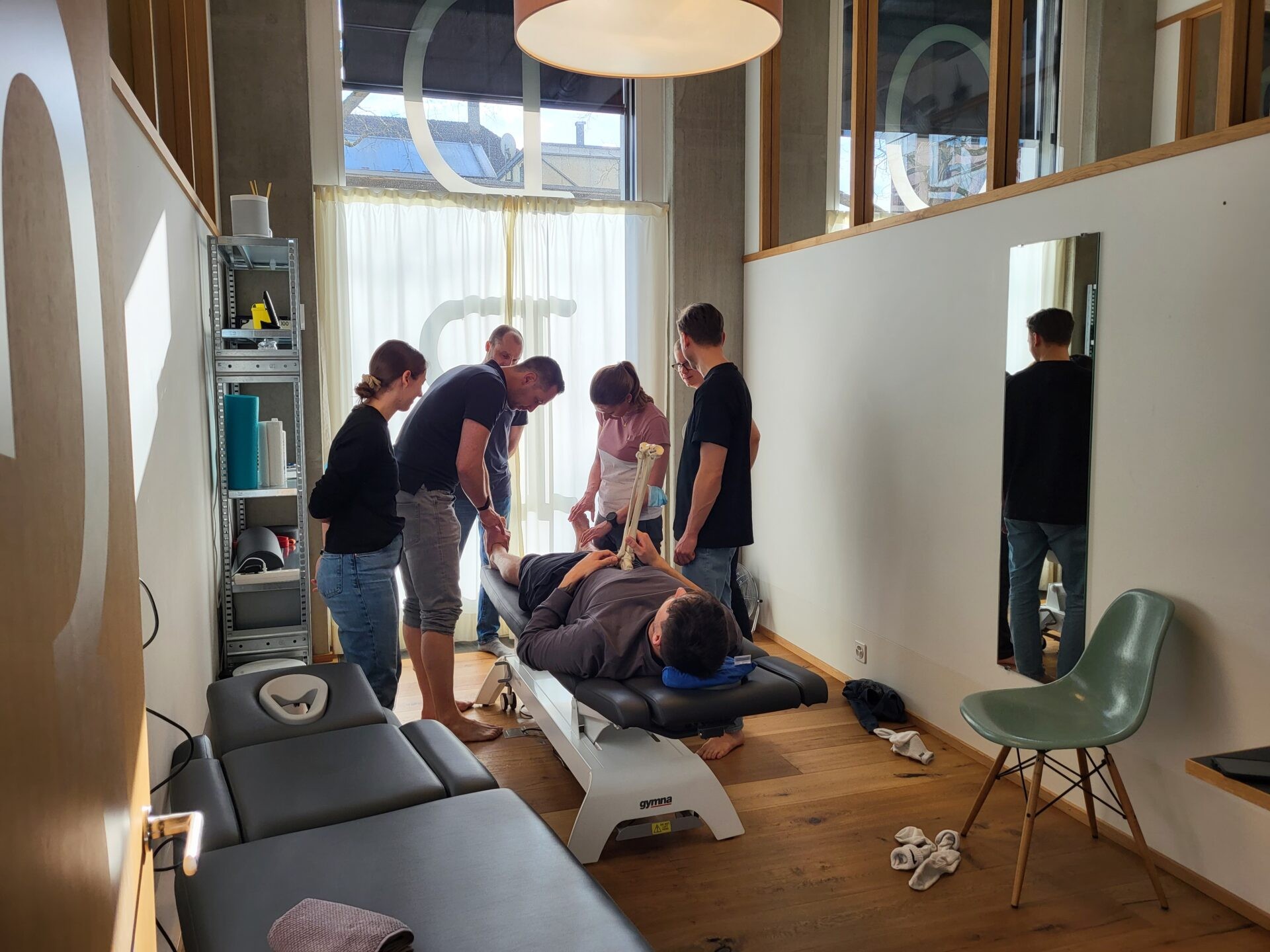
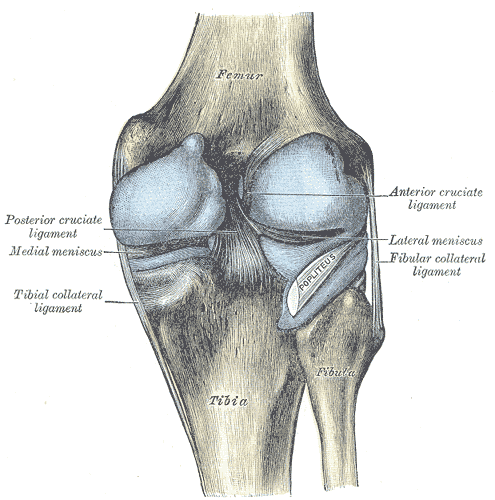
In Physiotherapy at BodyLab, we build this up step by step: First, the assessment shows where you stand. After that, depending on your situation, we combine manual therapy to improve mobility, pain-relieving techniques, and an individually tailored exercise program. If you want to continue training in a structured way, you can do so in our functionally equipped training area directly at the practice, for example as part of medical Training therapy (MTT) as one of several training options. Osteopathy complements this from a distinct perspective: It looks at the interaction between your pelvis, spine, and surrounding structures, and can address restrictions in movement that put additional strain on the hip joint. It can be combined at any stage. The same principles apply to knee osteoarthritis.
And what if a joint replacement is needed after all?
If pain and limitations dominate your everyday life despite consistent conservative treatment, a hip replacement (total hip arthroplasty) can be a good solution. This decision belongs in a discussion with your doctor. Two things from our practice on this: First, training is also worthwhile before surgery—well-conditioned muscles facilitate rehabilitation afterward. Second, after the procedure, we guide you back into loading in a structured way.
Doctor-approved for your peak performance
We treat hip osteoarthritis with precise medical coordination, such as when imaging or joint replacement options are on the table. If you experience a sudden, severe increase in pain or a fever accompanied by joint pain, a medical evaluation is your essential first step. When needed, we coordinate directly with your doctor to ensure you get the best possible care.
Who covers the cost? Let's talk investment in your future.
Physiotherapy is covered by basic insurance with a doctor's referral, or after an accident by accident insurance or your health insurance's accident coverage. You can book osteopathy directly, without a referral; most supplementary insurance policies for alternative and complementary medicine contribute to the costs, and depending on the insurer, this also applies after an accident.
It is best to clarify directly with your insurance provider beforehand how much they will cover.
Whether it is Physiotherapy or osteopathy: you are always welcome as a self-payer, and this does not change anything about your treatment.
You can find the cost of your treatment under Rates and cost coverage.
Lost cartilage doesn't grow back—not even with glucosamine or collagen. But you can fuel the cartilage you have through movement: loading and unloading pumps vital joint fluid right into it, while inactivity starves it. That’s why action is your greatest win: targeted training supercharges your joint function, builds powerful supporting muscles, and dramatically crushes pain. Your ultimate goal is a strong, active, and unstoppable daily life, not a perfect X-ray.
Which path is yours to conquer?
Three quick questions, and you'll know exactly where to start. Immediate support needed? Call us: 044 545 03 03