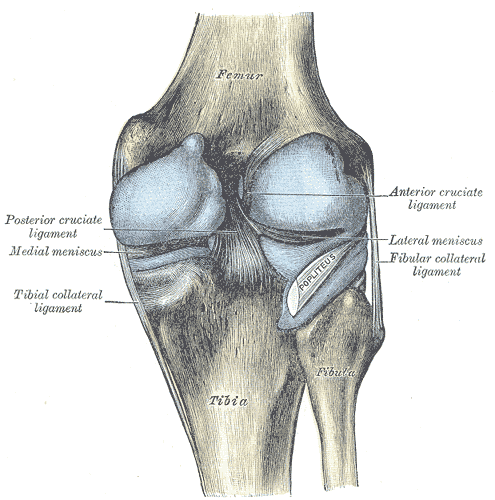
Knee osteoarthritis (gonarthrosis) is the wear of the joint cartilage in the knee and the most common form of osteoarthritis of all. Typical signs are start-up pain in the morning, stiffness after sitting for a long time and pain when climbing stairs. And, unfortunately, the typical reflex is to rest the knee. That is exactly what leads in the wrong direction. At BodyLab in Zurich Altstetten, we rely on what the treatment guidelines recommend as first choice: training and physiotherapy, built on your assessment.

knee osteoarthritis: Movement doesn't cause harm, it is the treatment
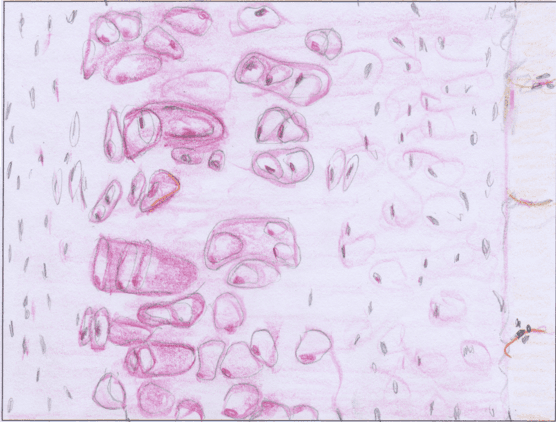
Cartilage has no blood supply of its own; it is nourished through loading and unloading, just like a sponge. If you protect it too much, you deprive it of nutrients and lose muscle mass, meaning the exact same load hits the joint with less cushioning: a downward spiral of less movement and more pain. Controlled loading reverses this cycle. That is why active training comes before injections and surgery in international guidelines. Honestly put, the goal isn't to reverse the arthritis on the X-ray, but to ensure you have less pain in your daily life and can do more again. The exact same principles apply to hip osteoarthritis.
How we treat your knee osteoarthritis
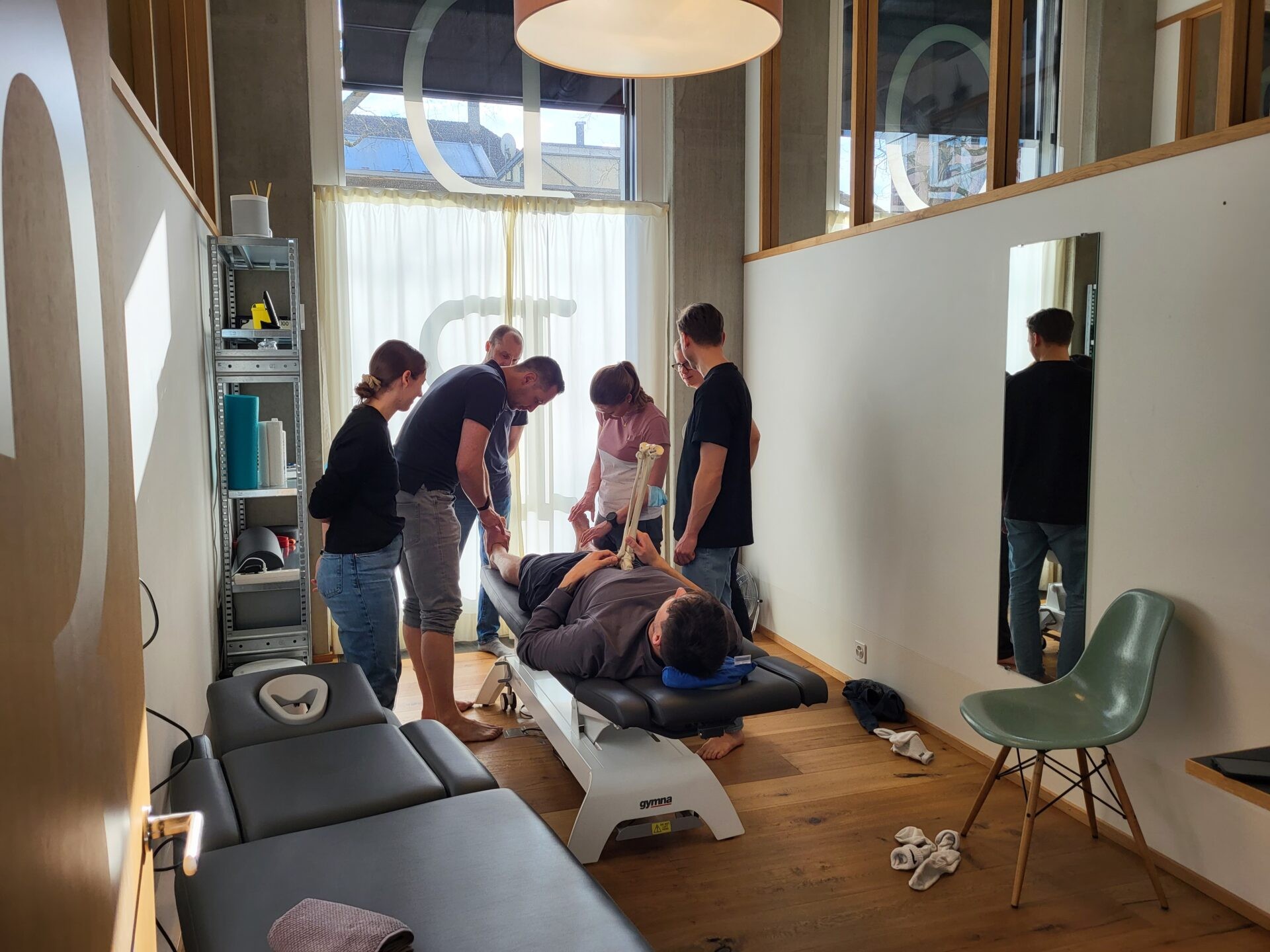
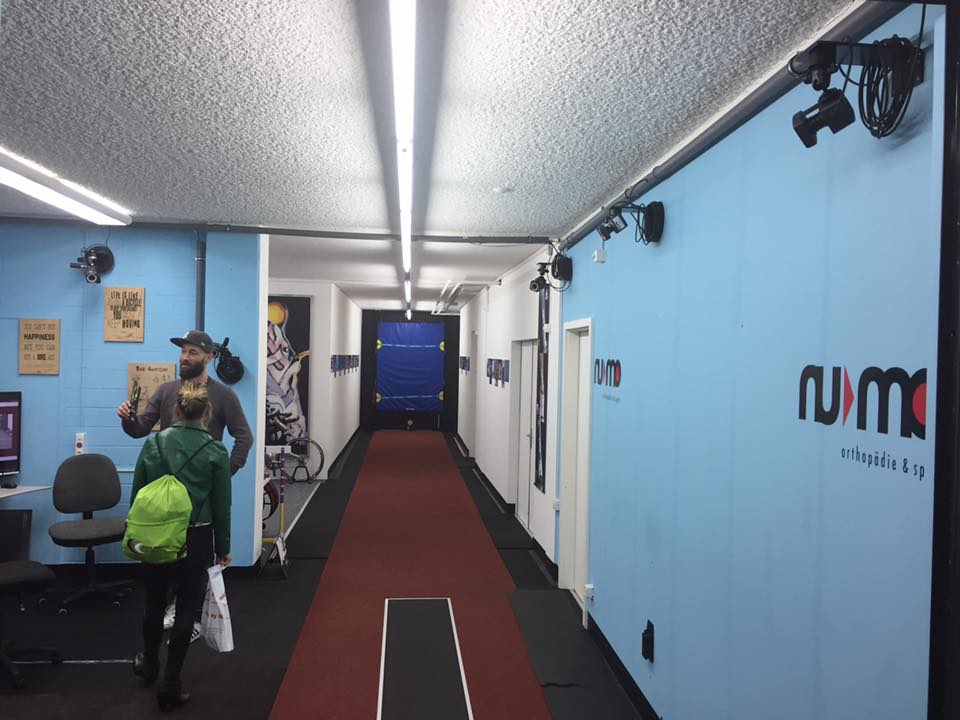
First, your assessment: strength, mobility, gait pattern, load tolerance, and your goals. Your program builds directly on this: Physiotherapy and manual therapy for mobility, strength building for your thighs and hips, plus everyday functions like climbing stairs and standing up. You train right here in the practice, guided in medical Training therapy (MTT) on medically certified equipment, complemented by a home program that fits into your daily routine. osteopathy can also play its part: it looks at the knee's surrounding areas, such as the hip, pelvis, and foot, if they are placing additional strain on the joint.
Delaying a joint replacement or preparing well for it
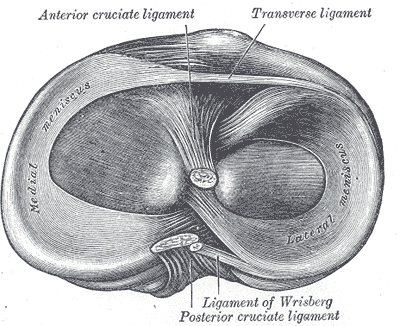
Conservative treatment and an artificial joint are not mutually exclusive; they are two stages along the same path. As long as your knee functions well with training, there are many good reasons to postpone surgery. And if a replacement is the right next step: going into surgery well-trained means you start the recovery period with much better odds. We support you before the procedure and throughout your rehab afterward, in close coordination with your doctor. If the MRI also shows a meniscus tear, we will explain why it is usually treated conservatively when arthritis is present.
Learn more about rehab after knee surgery.
Stay strong, stay confident
A painful knee changes the way you walk, and when you move less, you lose strength and stability on your feet. Especially as we get older, a dual approach pays off: treating your knee while reducing your risk of falling at the same time.
Learn more about fall prevention at BodyLab.
All knee Conditions at a glance.
Doctor-approved for your peak performance
Diagnosis, X-rays, and prosthetic decisions belong in medical hands. Movement therapy is our expertise, and we work directly with your medical findings. Wherever necessary, we coordinate directly with your doctor to ensure you get the best care.
Who covers the cost? Let's talk investment in your future.
Physiotherapy is covered by basic insurance with a doctor's referral, or after an accident by accident insurance or your health insurance's accident coverage. You can book osteopathy directly, without a referral; most supplementary insurance policies for alternative and complementary medicine contribute to the costs, and depending on the insurer, this also applies after an accident.
It is best to clarify directly with your insurance provider beforehand how much they will cover.
Whether it is Physiotherapy or osteopathy: you are always welcome as a self-payer, and this does not change anything about your treatment.
You can find the cost of your treatment under Rates and cost coverage.
Cycling keeps your knees moving while keeping the impact low—making it the ultimate foundation for your training. Unlike running, where every stride sends a shockwave through the joint, cycling delivers maximum movement with minimal stress, protecting an arthritic knee from unnecessary wear. While you can't undo arthritis itself, you absolutely have the power to conquer the pain and restore your mobility through targeted strength and movement control. Your goals define the journey: if hitting the pavement is your passion, we'll analyze exactly what your knee can handle and design the perfect strategy to keep you running strong.
Which path is yours to conquer?
Three quick questions, and you'll know exactly where to start. Immediate support needed? Call us: 044 545 03 03