The diagnosis of a herniated disc, also known as a slipped disc, sounds threatening. The reality is often kinder: many herniations cause little or no symptoms, and the large majority can be treated conservatively, that is, without surgery. What matters is a clear plan that brings back pain control, mobility and load capacity step by step.

What happens to your intervertebral disc
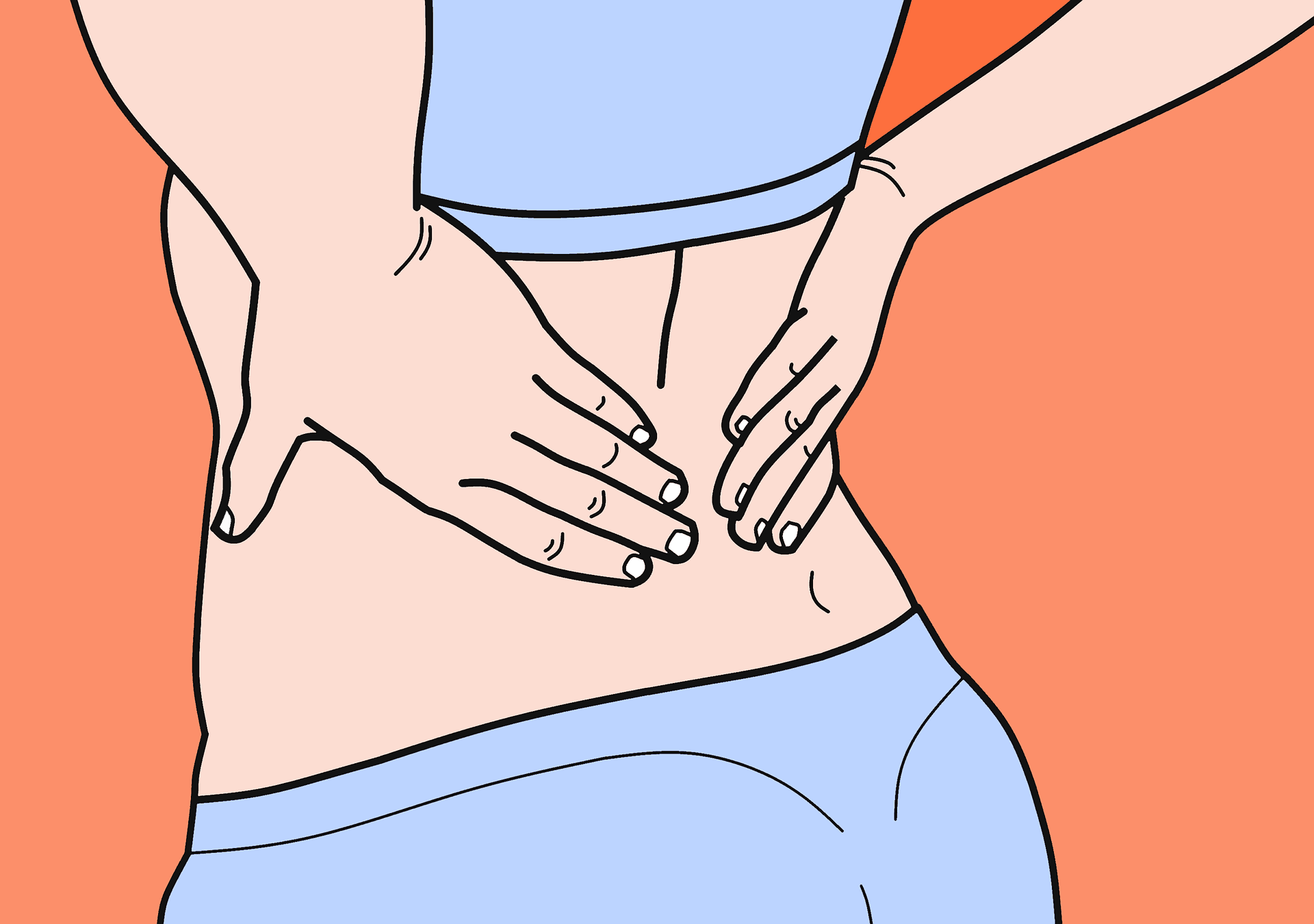
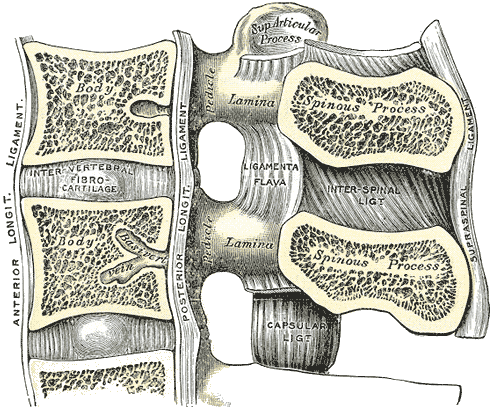
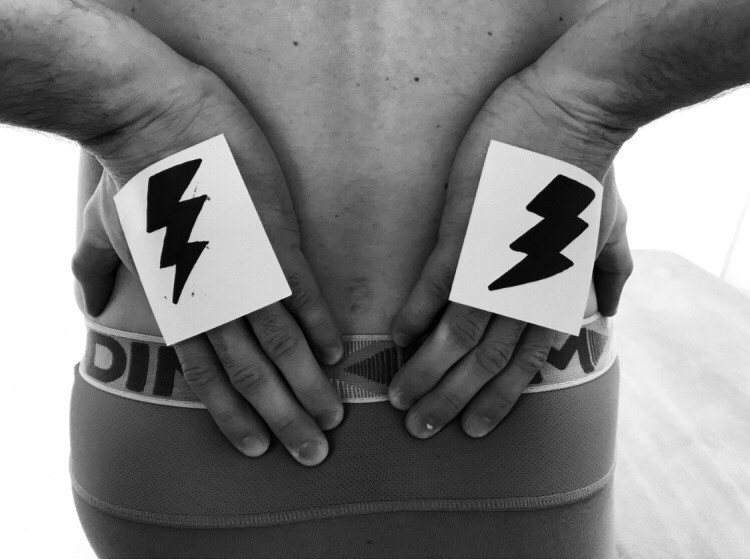
Your discs are your spine's shock absorbers: a tough fibrous ring surrounding a gel-like core. If the ring bulges, it's called a protrusion; if it tears and core material leaks out, it's a prolapse—an actual herniated disc. If the tissue presses on a nerve root, the pain radiates along the affected nerve: usually into your leg with a lumbar spine herniation, or into your shoulder and arm with a cervical spine (neck) herniation.
Our path back to resilience
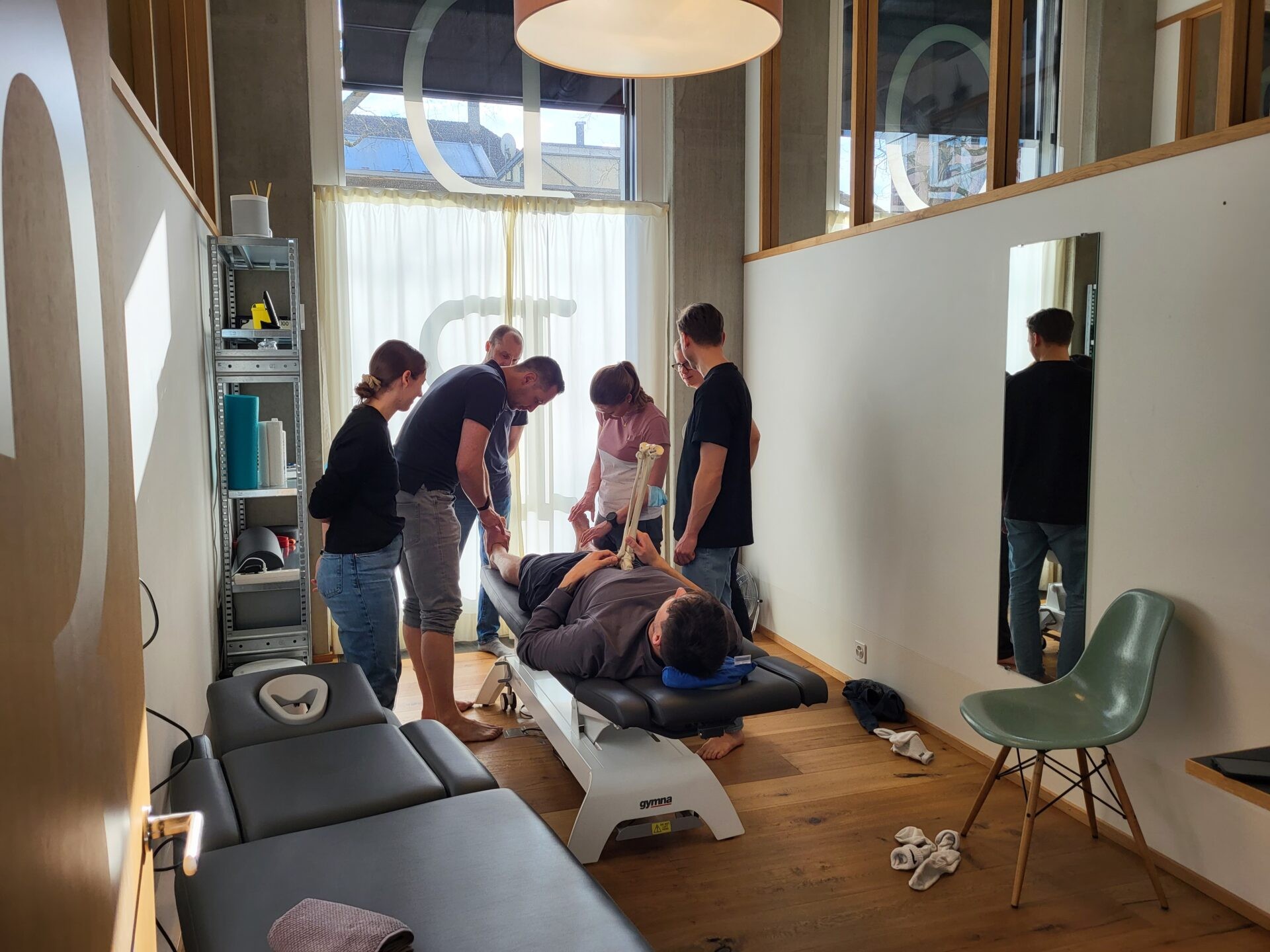
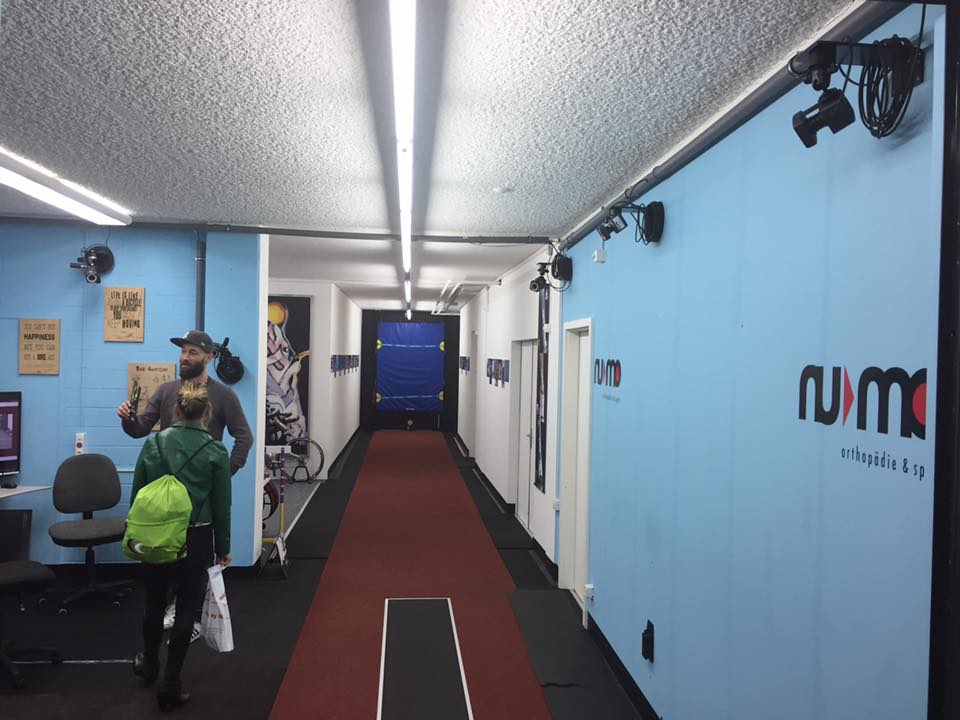
In Physiotherapy, we begin with relief: We ease your acute pain using manual techniques and show you comfortable positions for your everyday life. Osteopathic treatment complements your plan with a distinct perspective: It assesses the mobility of adjacent spinal segments and the pelvis, releasing compensatory tension that builds up around the affected area. As soon as your pain permits, we introduce movement, because your discs rely on alternating loading and unloading for nourishment. And ultimately, you will rebuild strength and resilience in your core and back: with active therapy and Medical Training therapy (MTT) in our own training area, fully guided and safely dosed.
And what if surgery is necessary after all?
Some situations require medical intervention, such as pronounced paralysis. We work closely with physicians: If surgery is needed, we support you before and after through your rehabilitation, all the way back to sports and daily life.
Cervical spine herniated disc
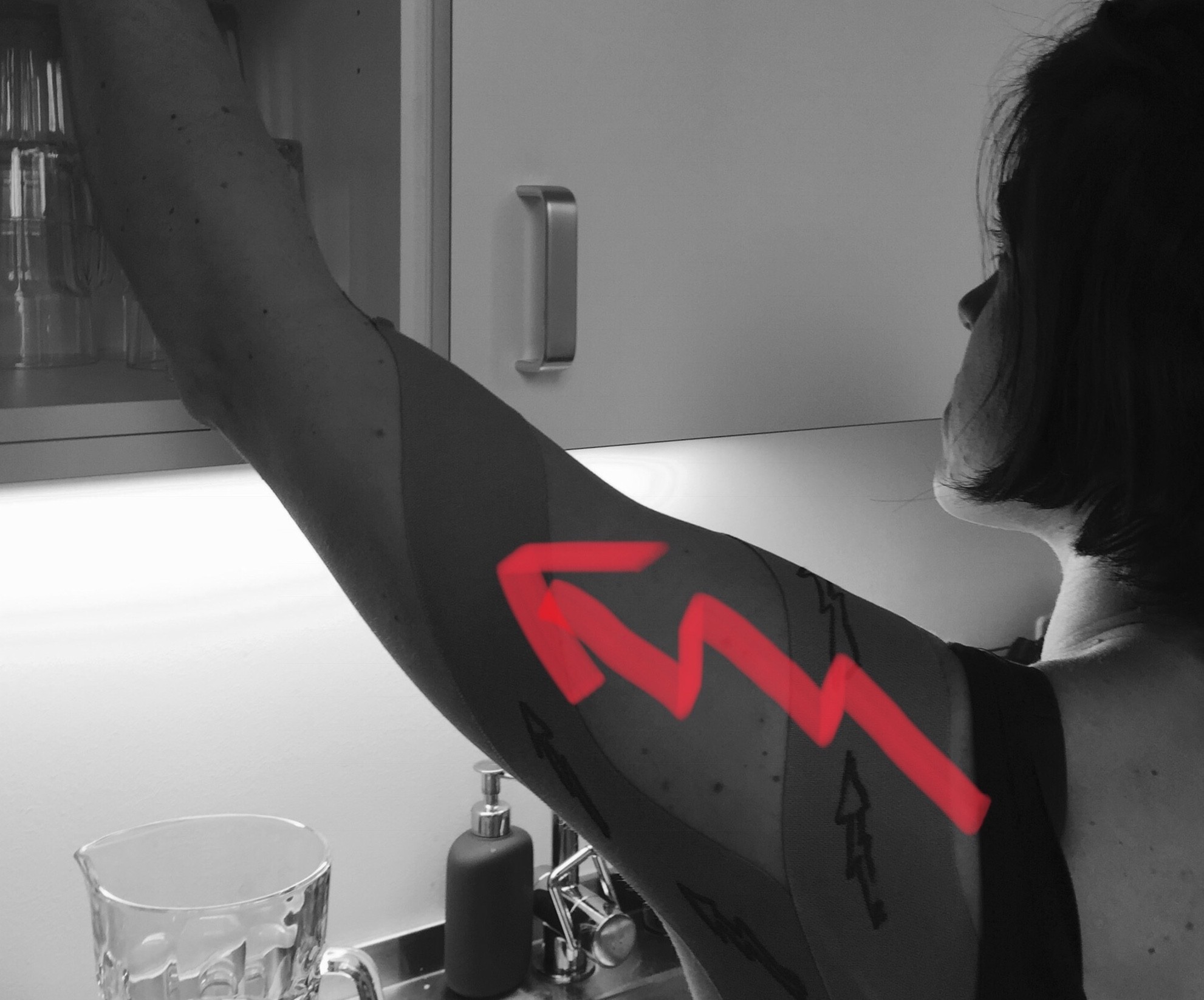
Much less common than in the lumbar spine, but just as important to take seriously: A cervical spine herniated disc typically presents as neck pain radiating into your shoulder, arm, or hand, often accompanied by tingling or numbness. If the herniation presses on a nerve root, you may also lose strength in your arm or hand; this needs to be evaluated by a doctor.
In most cases, treatment is conservative—meaning without surgery: using targeted relief, manual therapy, and a gradual exercise progression that restores resilience to your neck and shoulder girdle. Just like with a lumbar herniation, the rule holds true: Your body can partially break down herniated disc tissue on its own, and Conditions significantly improve over time for most people.
You can learn more about Conditions affecting your neck and cervical spine on our overview page: neck pain.
Urgent? We've got you covered with same-day appointments.
Acute pain doesn't wait around.
That's why we get you an appointment at short notice, often on the very same day. Book online or give us a call:
When to take charge and see a doctor
back pain is rarely dangerous. But see a doctor immediately if you experience any of these signs:
Paralysis or sudden weakness in your foot or leg
Numbness in the genital area
Loss of bladder or bowel control
Fever in addition to back pain
Pain after a fall (for older people, even a minor one counts)
Deep-seated lower back pain that wakes you up over weeks, especially at night and early in the morning, and is accompanied by stiffness (there could be an inflammatory cause behind it)
These signs are rare. And if none of them apply to you, nothing stands in the way of your treatment with us.
Who covers the cost? Let's talk investment in your future.
Physiotherapy is covered by basic insurance with a doctor's referral, or after an accident by accident insurance or your health insurance's accident coverage. You can book osteopathy directly, without a referral; most supplementary insurance policies for alternative and complementary medicine contribute to the costs, and depending on the insurer, this also applies after an accident.
It is best to clarify directly with your insurance provider beforehand how much they will cover.
Whether it is Physiotherapy or osteopathy: you are always welcome as a self-payer, and this does not change anything about your treatment.
You can find the cost of your treatment under Rates and cost coverage.
Which path is yours to conquer?
Three quick questions, and you'll know exactly where to start. Immediate support needed? Call us: 044 545 03 03