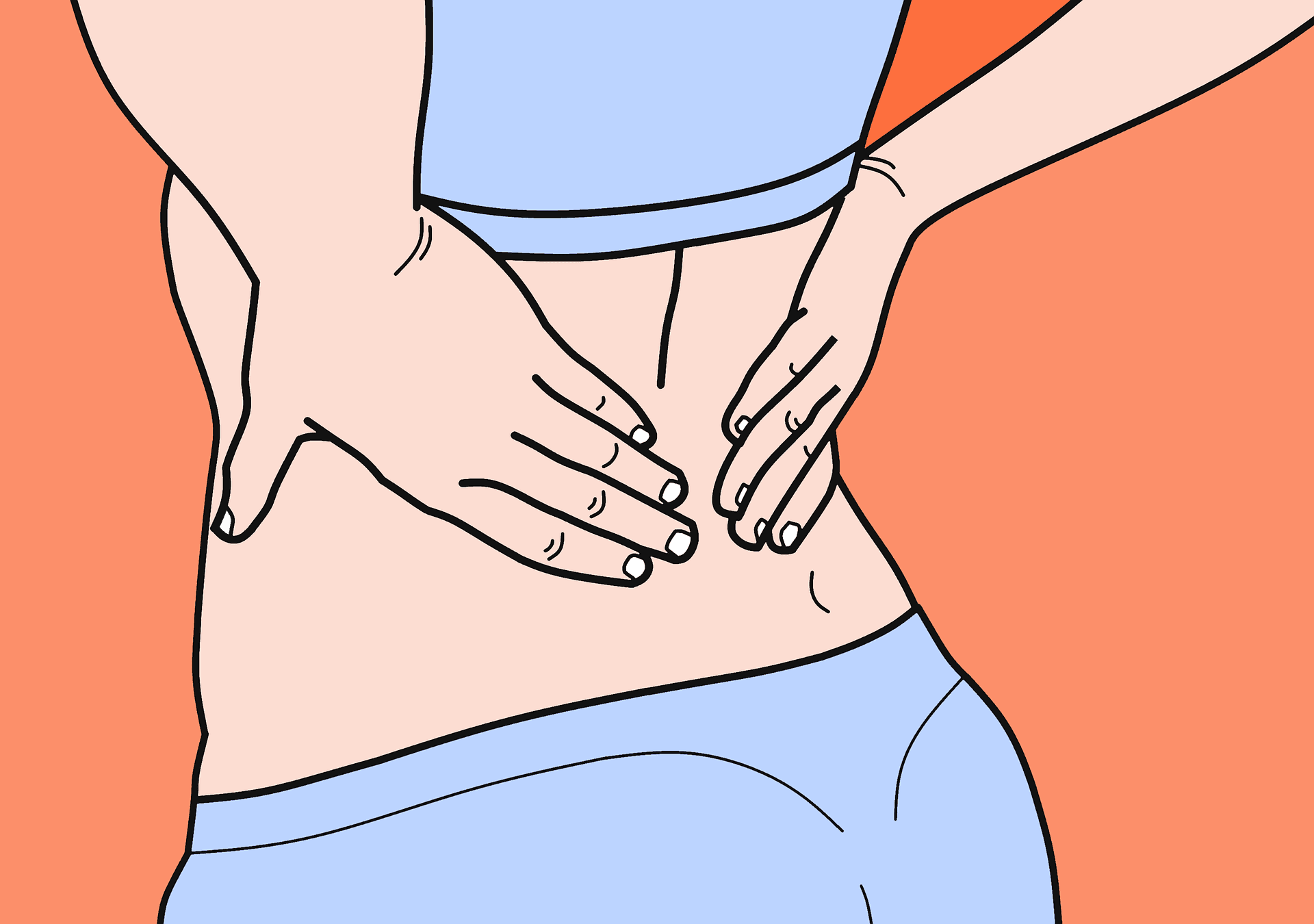
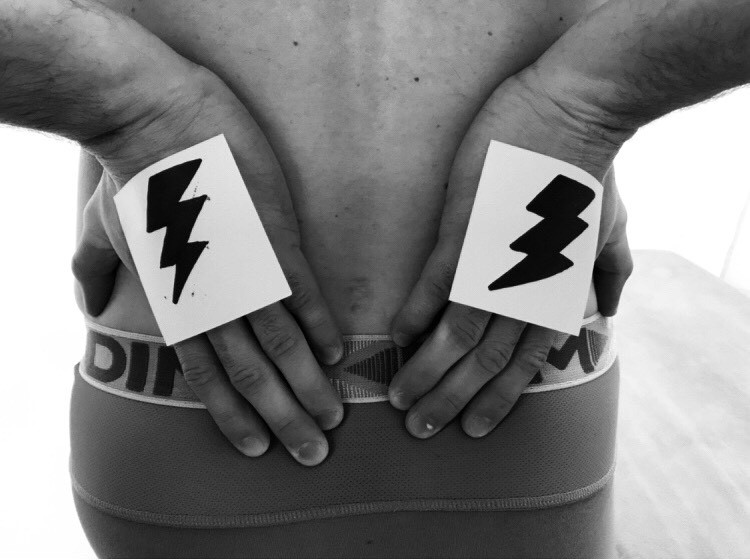
A pain right at the bottom of the back, usually on one side, sometimes stabbing when you stand up, sometimes dull after sitting for a long time: often the sacroiliac joint (SI joint) is behind it, the tight connection between spine and pelvis. Many people come to us saying "my SI joint is blocked", heard from the doctor or googled themselves. What is really behind it, we clarify together, and it can be treated well.

What the si joint is and why it hurts
The si joint barely moves, but it handles high loads: with every step you take, it transfers force between your upper body and your legs. When it comes under unfamiliar stress—such as from prolonged sitting, one-sided work, a pregnancy, or missing a step—the joint, ligaments, and surrounding muscles become irritated. A typical sign is one-sided pain over your buttocks that pinches when turning in bed, standing up, or climbing stairs, and sometimes radiates into your thigh, rarely below the knee. If the pain extends below your knee and your leg tingles, read on under sciatica.
“Locked up”—what does that really mean?
The idea of a “locked” or “blocked” si joint is common, and it describes well how it feels. Mechanically, the joint is usually not wedged out of place: most often, irritated structures and protective muscle tension create that blocked sensation. For you, this means: tension and irritation can be released and, above all, actively influenced.
How we treat you
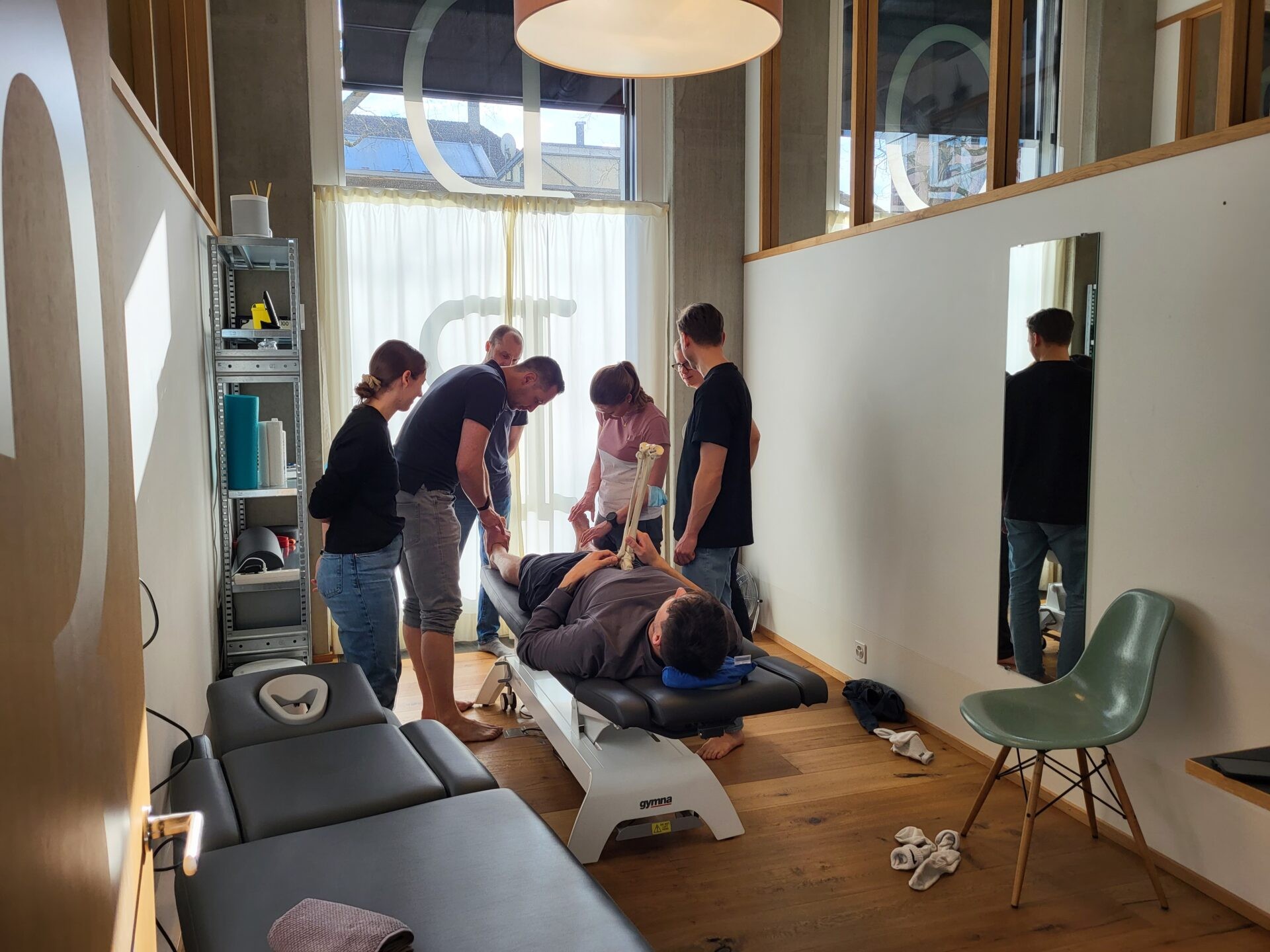
We start with an examination: using clinical tests, we narrow down whether your si joint is the source or whether your lumbar spine, hip, or muscles are playing a role. Then, in osteopathy and Physiotherapy, we use manual techniques to release the protective tension around the joint and restore smooth interplay between your pelvis, sacrum, spine, and hip. Exercises for your core, buttocks, and hips keep the result stable: they give your pelvis back the control and support it needs. Both work hand in hand, following a shared plan.
si joint and pregnancy
During pregnancy, hormones loosen the ligaments around your pelvis; the si joint loses stability and frequently flares up. Gentle treatment and tailored exercises can provide noticeable relief; you can find out more on our pregnancy page.
Urgent? We've got you covered with same-day appointments.
Acute pain doesn't wait around.
That's why we get you an appointment at short notice, often on the very same day. Book online or give us a call:
When to take charge and see a doctor
Back pain is rarely dangerous. However, seek immediate medical evaluation if you experience any of these signs:
Paralysis or sudden weakness in your foot or leg
Numbness in the genital area
Loss of bladder or bowel control
Fever in addition to the back pain
Pain after a fall (for older adults, even a minor one counts)
Deep lower back pain that wakes you up at night or early in the morning for weeks, accompanied by stiffness (this could indicate an inflammatory cause)
These symptoms are rare. If none of these apply to you, nothing stands in the way of your successful treatment with us.
Who covers the cost? Let's talk investment in your future.
Physiotherapy is covered by basic insurance with a doctor's referral, or after an accident by accident insurance or your health insurance's accident coverage. You can book osteopathy directly, without a referral; most supplementary insurance policies for alternative and complementary medicine contribute to the costs, and depending on the insurer, this also applies after an accident.
It is best to clarify directly with your insurance provider beforehand how much they will cover.
Whether it is Physiotherapy or osteopathy: you are always welcome as a self-payer, and this does not change anything about your treatment.
You can find the cost of your treatment under Rates and cost coverage.
No, the si joint cannot dislocate or slip out of place; it only moves a few millimeters. However, it can lose exactly this small amount of play: irritated ligaments and protective muscle tension hold the joint tight, making it feel blocked. A targeted impulse, which might cause a cracking sound, sometimes releases tension and pain instantly. Most of the time, we work with manual mobilization to get the sacrum and pelvis moving again step by step. Lasting relief is achieved once irritation and tension are reduced, and the pelvis gains stability through targeted exercises.
Which path is yours to conquer?
Three quick questions, and you'll know exactly where to start. Immediate support needed? Call us: 044 545 03 03