A dull pressure that wraps around your head like a hat that is too tight, usually on both sides, often after a long working day: this is how most people describe their tension headaches. They are the most common type of headache of all, and in many cases they have a treatable cause in the muscles of the neck, shoulders and jaw. Here you will learn how to recognise tension headaches, what you can do yourself, and how we treat them at BodyLab in Zurich Altstetten.

How to recognize tension headaches
Typical is a pressing, tightening pain on both sides of your head, mild to moderate, without nausea and without the pulsating quality of a migraine. You are limited, but rarely out of action; everyday life and work usually continue, just with more effort. Often, your neck and shoulder muscles feel tight at the same time, and pressure on certain muscle points feels uncomfortably familiar. If the pain is more on one side and changes with head movements, it's worth checking our page on cervicogenic headache. If your neck feels locked up at the same time, read on about a steifen Nacken.
Causes: Muscles, posture, and stress
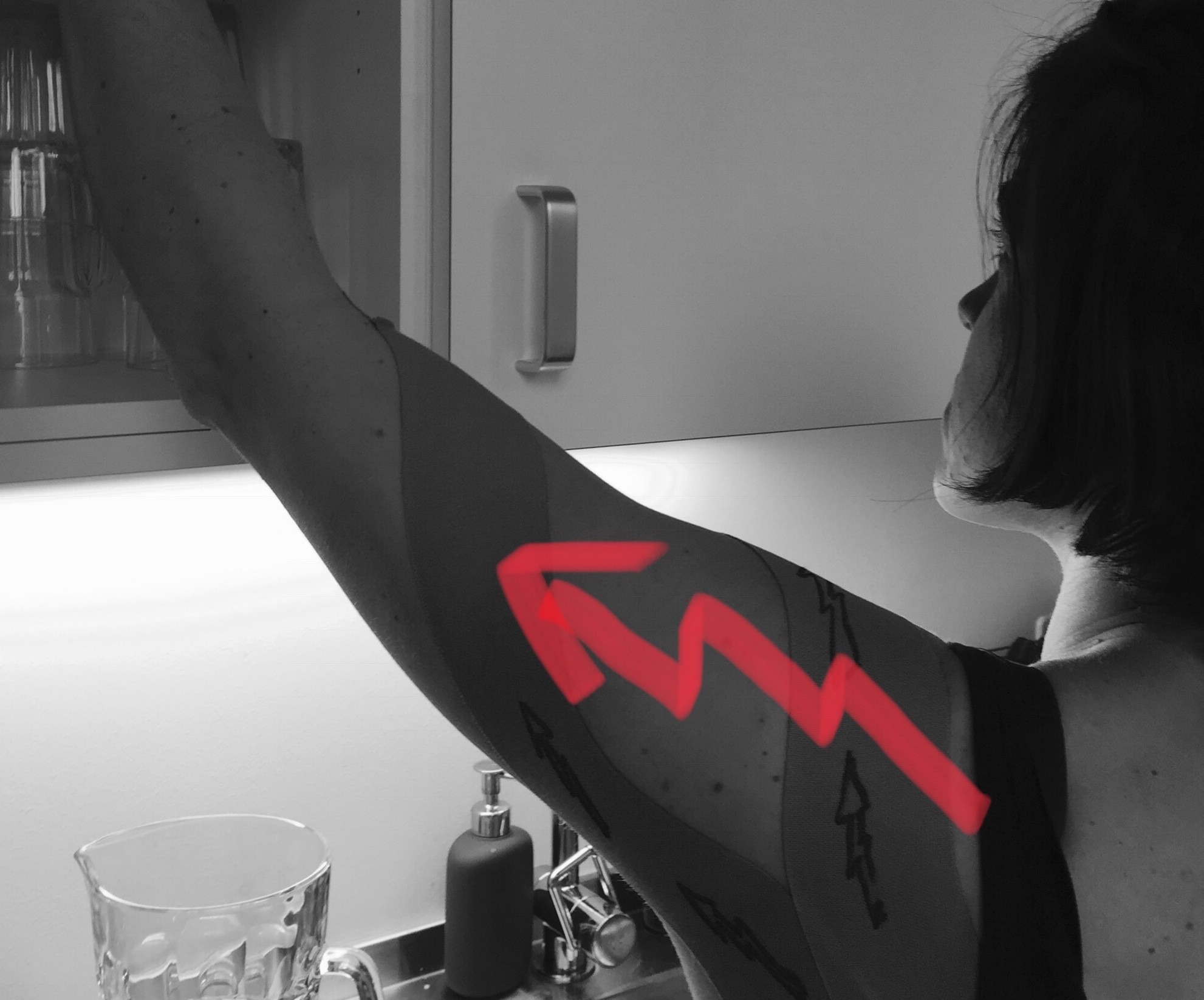
Behind tension headaches, there is often a permanently increased baseline tension in your muscles. Hours of screen work with your head tilted forward, a monitor set too high, shoulders pulled up under deadline pressure: all of this causes the muscles in your upper neck and shoulder area in particular to tense up and harden. In these muscles, myofascial trigger points develop—small, oversensitive zones in the muscle that can radiate pain far beyond their actual location, right into your temple, forehead, or behind your eye. In technical terms, this effect is called referred pain. In addition: stress and poor sleep amplify pain processing in your nervous system, so the exact same muscle state simply hurts more.
What you can do yourself
Move your neck regularly. Gently move your head in all directions with small movements several times a day, especially after sitting for a long time.
Schedule screen breaks. Every 30 to 60 minutes, stand up briefly, consciously drop your shoulders, and look into the distance.
Set up your workstation. Keep your monitor at eye level, keyboard close to your body, and forearms supported. Small adjustments relieve your muscles for hours every single day.
These measures don't replace treatment, but they do reduce your daily strain—and the sooner you start them, the better they work.
Treatment at BodyLab: Specifically releasing tension
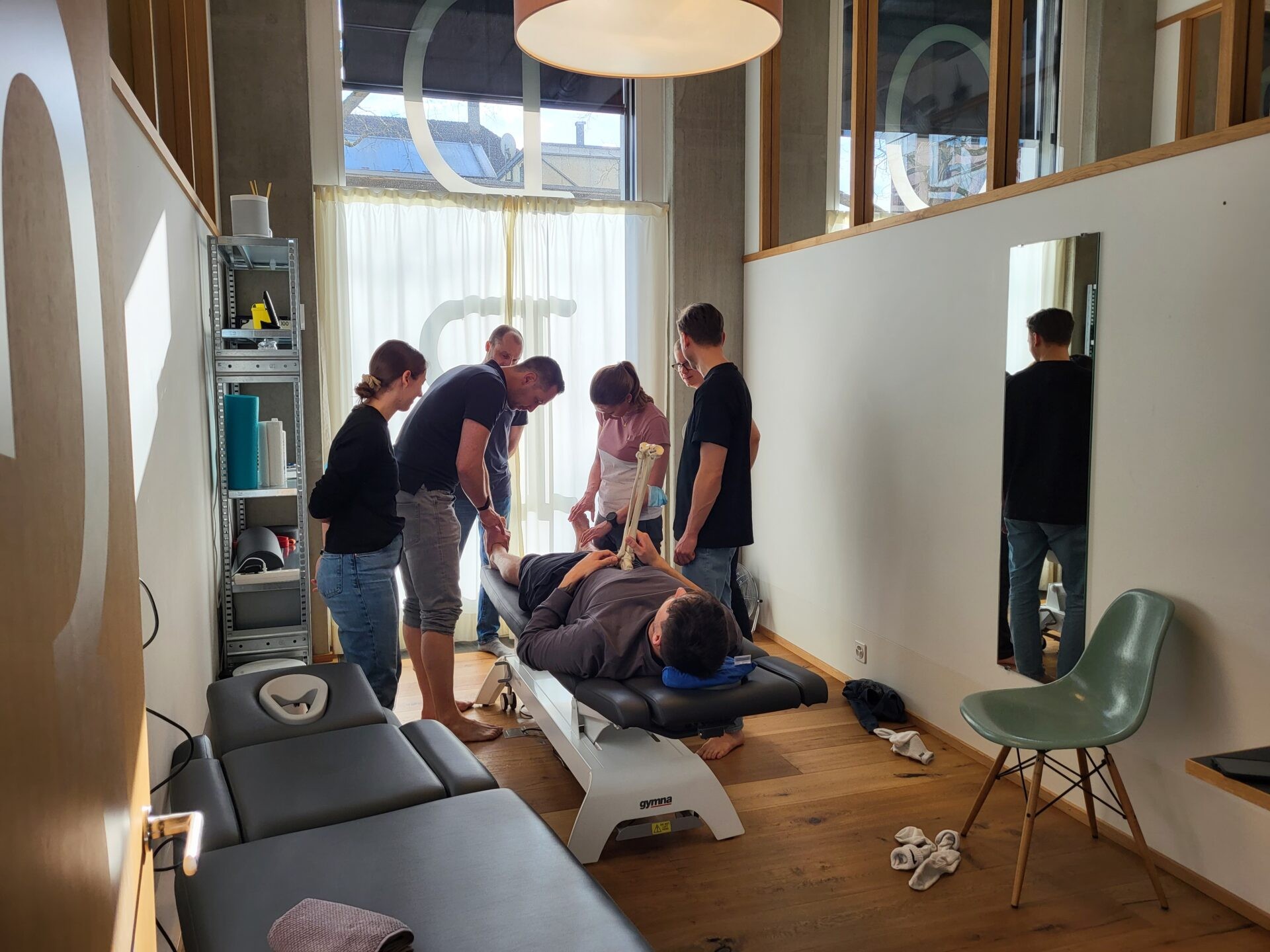
Our physiotherapists and osteopaths don't treat your headache as an isolated symptom, but address the muscular and joint factors driving it. Following your assessment, we combine different approaches depending on your condition: manual therapy and mobilization of the cervical spine, targeted treatment of trigger points—using Dry Needling if needed—classic massage to relax your shoulder and neck muscles, as well as physiotherapeutic strengthening of your deep neck muscles, whose endurance is often diminished with recurring headaches. If indicated by your assessment, our osteopaths complement the treatment: they examine and treat the connections between your cervical spine, jaw, and base of the skull, especially when headaches return despite relaxed muscles. Research shows that combining manual techniques with targeted exercises achieves the best results for tension headaches. You can read all about the study details in our article on the current evidence.
Doctor-approved for your peak performance
If your headaches occur almost daily, are getting stronger, or if you find yourself regularly reaching for painkillers, it's time to get a professional medical assessment first—also to rule out medication-overuse headaches. Wherever it makes sense, we will seamlessly coordinate your treatment with your doctor.
Who covers the costs? Let’s talk about your investment.
Physiotherapy is covered by basic insurance with a doctor's referral, or after an accident by accident insurance or your health insurance's accident coverage. You can book osteopathy directly, without a referral; most supplementary insurance policies for alternative and complementary medicine will contribute to the costs, and depending on the insurer, this also applies after an accident. You also book medical massages directly; many supplementary insurance policies contribute to these costs as well.
It is best to check directly with your insurance provider beforehand to find out exactly how much they will cover.
Whether it is Physiotherapy, osteopathy, or massage: you are always welcome as a self-payer, and this won't change the quality of your treatment.
You can find the cost of your treatment under Rates and Coverage.
In the short term, getting active, stepping out for some fresh air, applying warmth to your neck, and consciously releasing your shoulders can work wonders. But for real, lasting relief, you need to target the root cause of that tension. Elevate your approach by treating the tight muscles and their triggers—whether that means trigger point therapy or optimizing your workspace ergonomics.
Which path is yours to conquer?
Three quick questions, and you'll know exactly where to start. Immediate support needed? Call us: 044 545 03 03