First things first: migraine is a neurological condition. Diagnosis and basic treatment belong with your doctor, usually with medication, and even the best manual therapy does not change that. What physiotherapy and osteopathy can do is treat the neck, muscle and jaw component that many people with migraine also have and that can trigger or intensify attacks. As a complement to medical treatment, not a replacement for it.

migraine or severe headache? The difference matters
In everyday life, almost any intense headache is quickly called a migraine. Medically, however, it is clearly defined: usually one-sided, pulsating or throbbing, moderate to severe, often accompanied by nausea, sensitivity to light and noise, and in some sufferers with an aura of visual or sensory disturbances. Physical activity typically worsens the attack, forcing many sufferers to withdraw. If your headache feels dull and pressing on both sides instead, it is more likely to be tension headaches; if it pulls forward from your neck on one side and responds to head movements, it is more likely to be a cervicogenic headache. Making the distinction is important because the treatments differ fundamentally. If in doubt, getting a diagnosis belongs in a doctor's hands.
What accompanying therapy can achieve for migraine
Many people with migraine also suffer from a tense neck, restricted mobility in the upper cervical spine, or overactive chewing muscles. These factors can help trigger attacks, intensify them, or shorten pain-free phases—and they are treatable. Studies show that osteopathic treatment in addition to existing medication can reduce pain intensity, impairment, and in some cases medication use; existing migraine therapy was always continued. Regular, moderate endurance training is also a recognized accompanying measure. You can read about what research shows in detail in our article on the current evidence.
Treatment at BodyLab: your accompanying program alongside medical therapy
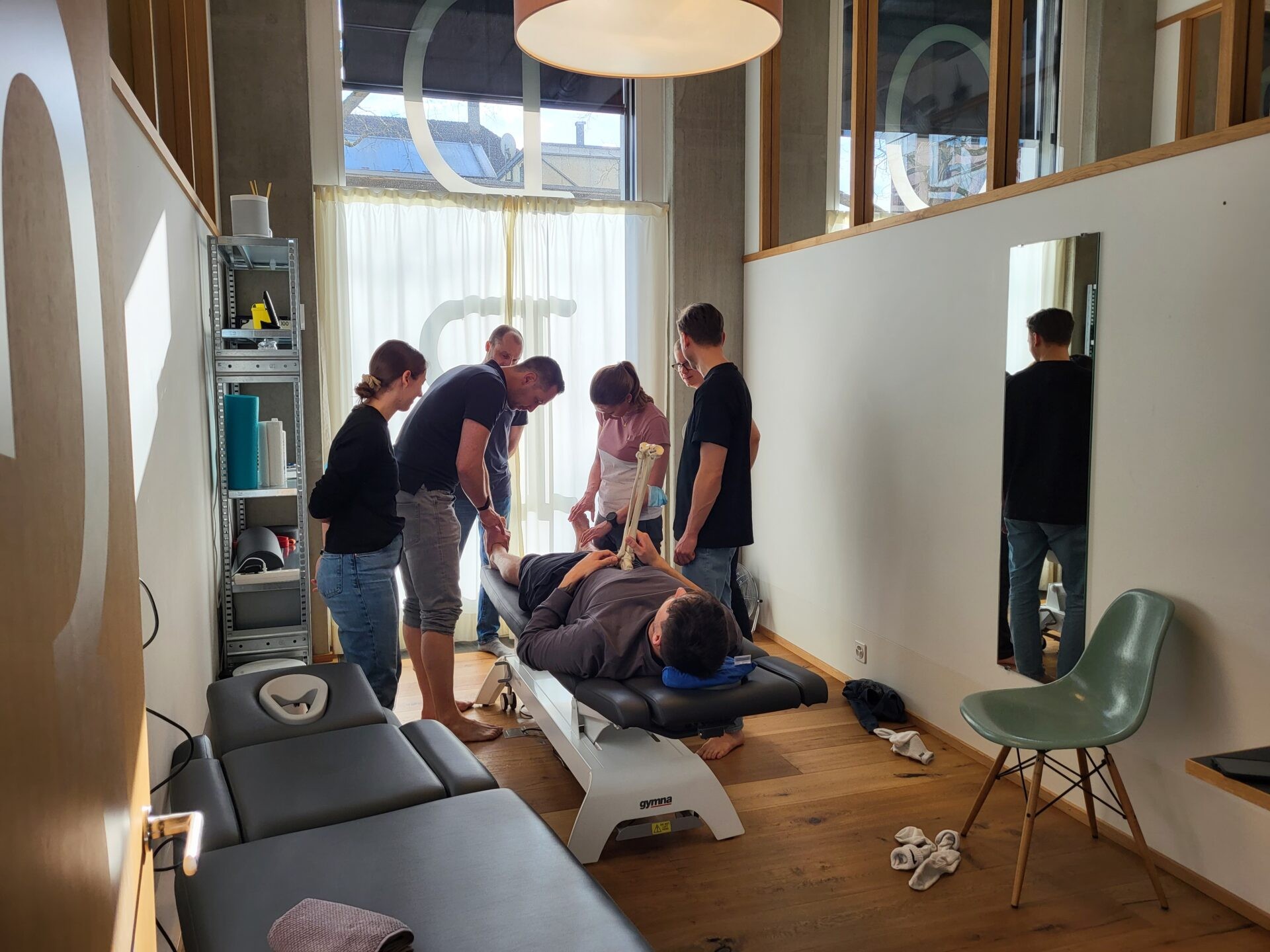
After a thorough assessment, we put together your accompanying program. Our osteopaths treat the connections between the cervical spine, tmj treatment, skull, and surrounding fascia, using gentle techniques that can also calm your autonomic nervous system. Physiotherapy complements this with manual therapy for the cervical spine, trigger point treatment of the neck and chewing muscles, and strengthening your deep neck muscles. If your tmj treatment is involved—such as through nighttime teeth grinding—we work with TMJ therapy. And because migraine requires a medical diagnosis, we work closely with your doctor; short communication paths are part of the concept at BodyLab.
Who covers the cost? Let's talk investment in your future.
Physiotherapy is covered by basic insurance with a doctor's referral, or after an accident by accident insurance or your health insurance's accident coverage. You can book osteopathy directly, without a referral; most supplementary insurance policies for alternative and complementary medicine contribute to the costs, and depending on the insurer, this also applies after an accident.
It is best to clarify directly with your insurance provider beforehand how much they will cover.
Whether it is Physiotherapy or osteopathy: you are always welcome as a self-payer, and this does not change anything about your treatment.
You can find the cost of your treatment under Rates and cost coverage.
As a powerful complement to medical treatment: yes, the research supports it. Fact-based clinical trials show that integrating osteopathic treatment with your existing medication can actively reduce pain intensity, minimize daily limitations, and even lower your reliance on medication. While it is designed to elevate—not replace—your medical therapy, it offers a proven path to enhancing your overall well-being.
Which path is yours to conquer?
Three quick questions, and you'll know exactly where to start. Immediate support needed? Call us: 044 545 03 03