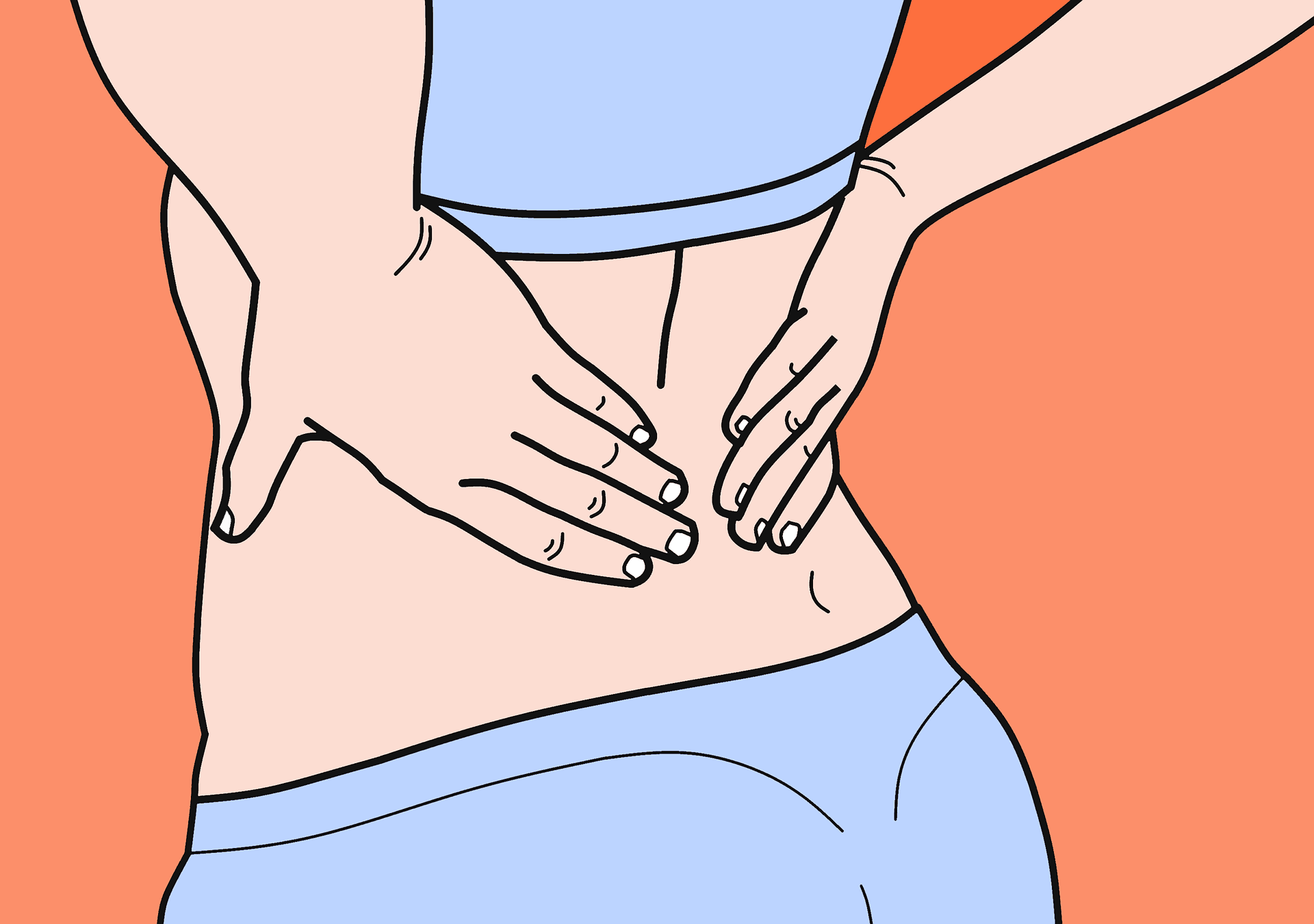
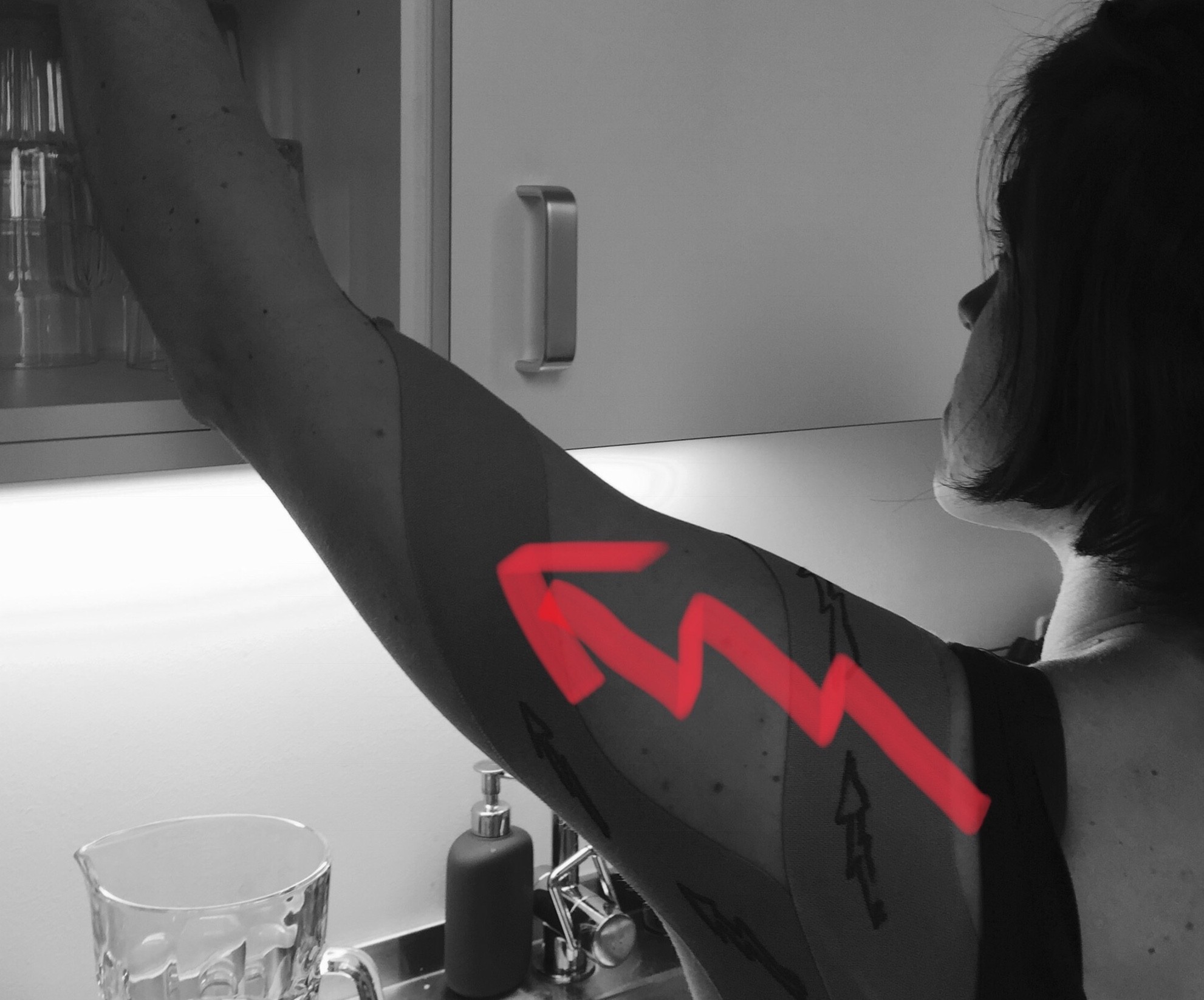
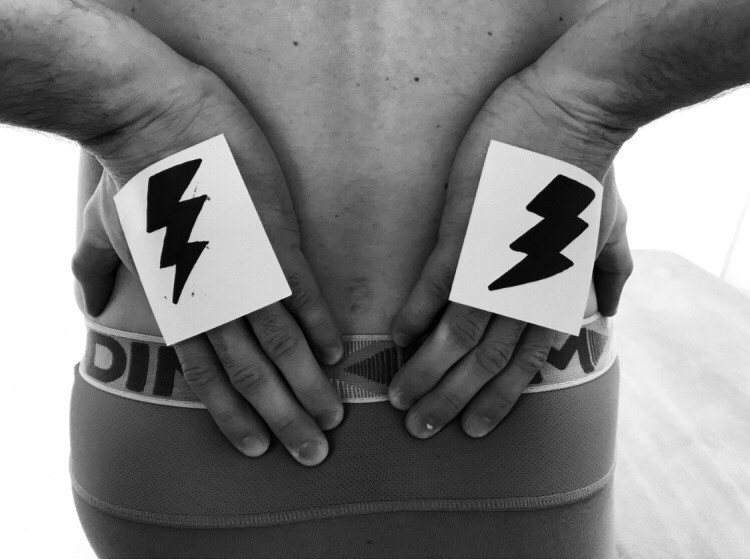
A twist, a reach for your bag, and a stabbing pain shoots into the lower back: lumbago, medically acute low back pain. As severe as it feels, in the vast majority of cases there is no serious injury behind it, but acute muscle tension or a blocked joint. And the most important thing first: you do not have to get through it alone, and you do not have to wait for weeks.

What happens in your back
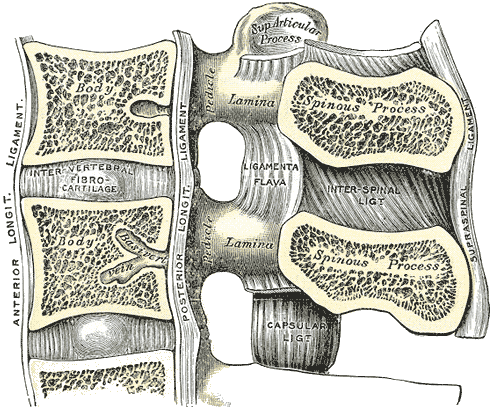
With lumbago, your back reacts with protective tension: your muscles contract reflexively, often triggered by an unfamiliar movement, a locked facet joint, or simply a moment of overload. The pain is an alarm signal, not a sign of damage. That is precisely why movement, properly dosed, is usually better than rest. A lumbago is generally not a herniated disc; you can read about how that differs on our page about herniated disc. If the pain radiates below your knee or your leg tingles, read on at sciatica.
How we help you
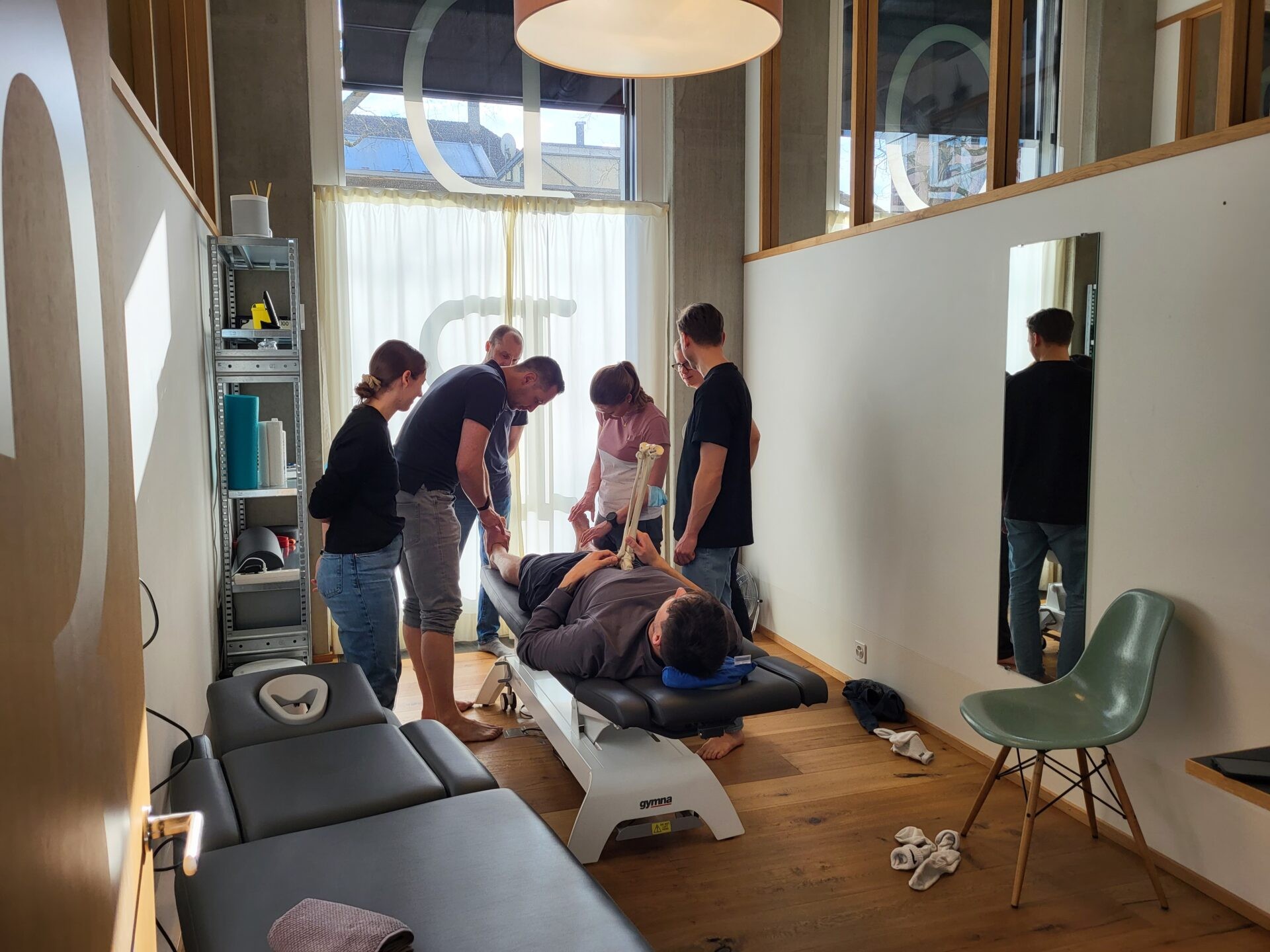
In Physiotherapy, we relieve acute tension using manual techniques, mobilize locked joints, and show you positions and movements that provide relief rather than provocation. The goal of the first treatment is noticeable relief so you can move again. osteopathy takes an additional specialized look: whether the pelvis or adjacent sections of the spine have restricted mobility and contributed to the overload. Afterwards, we work out together whether your back needs more, such as strengthening training, so that this remains a one-time event.
Urgent? We've got you covered with same-day appointments.
Acute pain doesn't wait around.
That's why we get you an appointment at short notice, often on the very same day. Book online or give us a call:
When to take charge and see a doctor
back pain is rarely dangerous. But see a doctor immediately if you experience any of these signs:
Paralysis or sudden weakness in your foot or leg
Numbness in the genital area
Loss of bladder or bowel control
Fever in addition to back pain
Pain after a fall (for older people, even a minor one counts)
Deep-seated lower back pain that wakes you up over weeks, especially at night and early in the morning, and is accompanied by stiffness (there could be an inflammatory cause behind it)
These signs are rare. And if none of them apply to you, nothing stands in the way of your treatment with us.
Who covers the cost? Let's talk investment in your future.
Physiotherapy is covered by basic insurance with a doctor's referral, or after an accident by accident insurance or your health insurance's accident coverage. You can book osteopathy directly, without a referral; most supplementary insurance policies for alternative and complementary medicine contribute to the costs, and depending on the insurer, this also applies after an accident.
It is best to clarify directly with your insurance provider beforehand how much they will cover.
Whether it is Physiotherapy or osteopathy: you are always welcome as a self-payer, and this does not change anything about your treatment.
You can find the cost of your treatment under Rates and cost coverage.
Which path is yours to conquer?
Three quick questions, and you'll know exactly where to start. Immediate support needed? Call us: 044 545 03 03