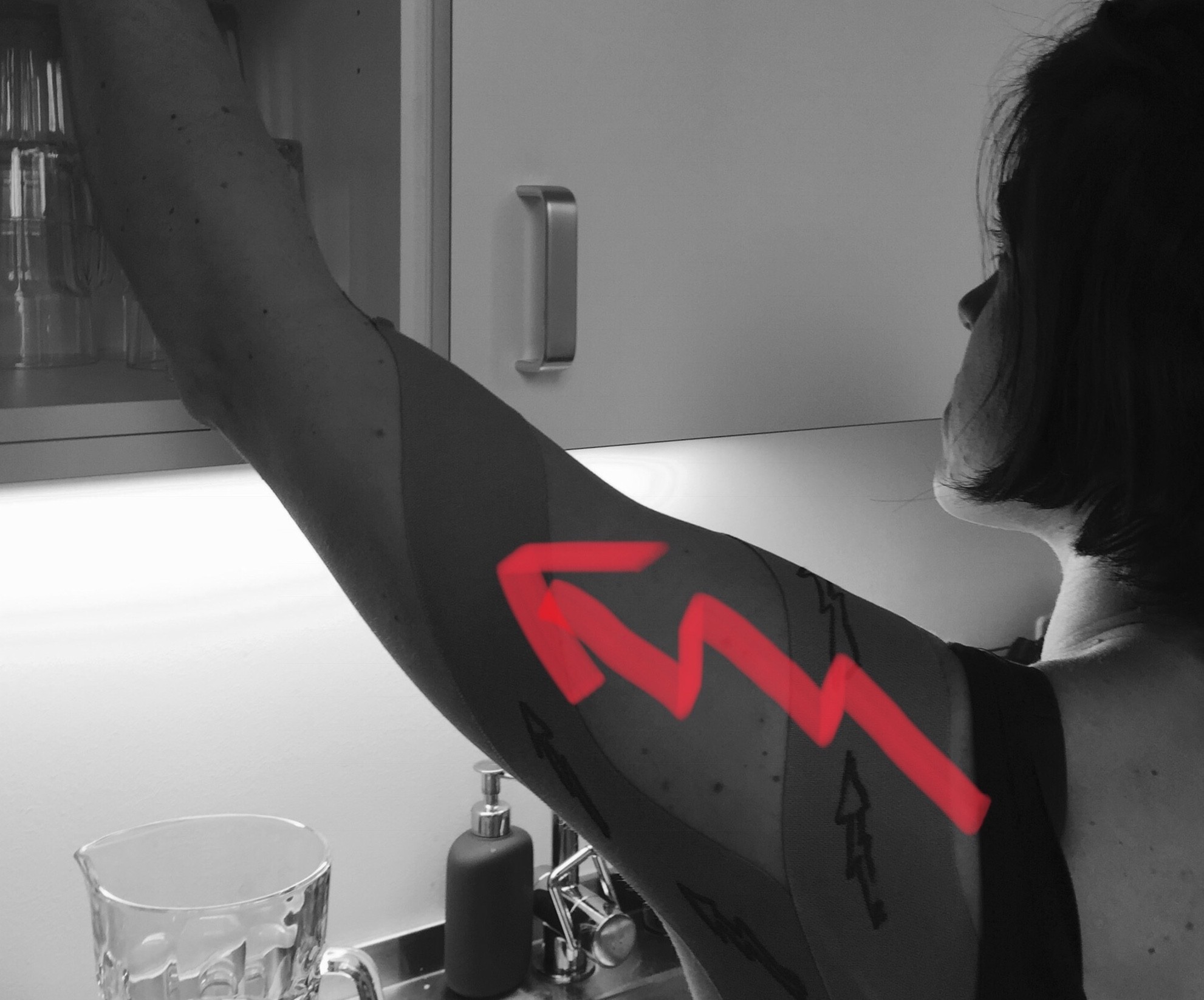
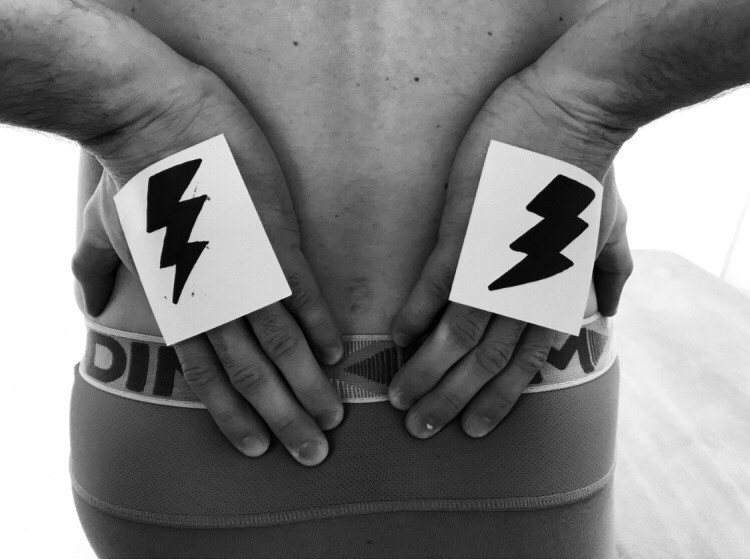
Calcific tendonitis of the shoulder can stay quiet for a long time and then strike suddenly: severe, sometimes shooting shoulder pain, often without any obvious trigger. Behind it is a calcium deposit in a tendon of the rotator cuff, medically tendinosis calcarea. At BodyLab in Zurich Altstetten, we help you through the flare-up and keep your shoulder mobile and strong, in close coordination with your doctor.

What happens with calcific tendonitis of the shoulder
For reasons that are not yet fully understood, your body deposits calcium in a tendon, most commonly in the supraspinatus tendon at the top of your shoulder. Many deposits never cause any problems. Conditions often arise precisely when your body breaks down the deposit again: during this resorption phase, the tendon can become severely inflamed—this is the notorious flare-up. Important to know: In many cases, calcific tendonitis of the shoulder is self-limiting; the calcium often disappears on its own. If the tendon remains irritated without calcium, you will find causes and treatment under shoulder impingement.
How we treat calcific tendonitis of the shoulder
During an acute flare-up: Pain and load management are the top priority. We relieve the irritated tendon, keep the rest of your shoulder moving within a low-pain range, and coordinate pain therapy with your doctor.
Outside of a flare-up: Maintain mobility in Physiotherapy, strengthen your rotator cuff and shoulder blade muscles so that the tendon becomes more resilient. Supplement with manual therapy and Dry Needling if myofascial trigger points—hardened muscle knots—are contributing to the pain.
osteopathy: Relieves the area surrounding the irritated tendon, from your shoulder girdle to your thoracic spine.
Medical options: For stubborn deposits, medical procedures such as shock wave therapy or targeted needling and lavage of the deposit are available. Your doctor will decide whether this is an option for you; we coordinate directly with them and take care of your follow-up treatment.
Urgent? We've got you covered with same-day appointments.
Acute pain doesn't wait around.
That's why we get you an appointment at short notice, often on the very same day. Book online or give us a call:
When to consult your doctor
Shoulder pain is rarely dangerous. However, you should seek immediate medical evaluation if you experience any of these signs:
A fall or accident followed by a significant loss of strength or a visible deformity: this could indicate a torn tendon or a dislocated shoulder, both of which require immediate medical assessment.
Fever combined with a hot, swollen joint: a potential sign of a joint infection.
Numbness, tingling, or paralysis in your arm or hand: nerves could be involved.
Sudden, severe shoulder pain without any accident: this could be a calcium resorption flare-up, and your pain management should be professionally coordinated by a doctor.
These signs are rare. If none of them apply to you, nothing stands in the way of your treatment with us.
Who covers the cost? Let's talk investment in your future.
Physiotherapy is covered by basic insurance with a doctor's referral, or after an accident by accident insurance or your health insurance's accident coverage. You can book osteopathy directly, without a referral; most supplementary insurance policies for alternative and complementary medicine contribute to the costs, and depending on the insurer, this also applies after an accident.
It is best to clarify directly with your insurance provider beforehand how much they will cover.
Whether it is Physiotherapy or osteopathy: you are always welcome as a self-payer, and this does not change anything about your treatment.
You can find the cost of your treatment under Rates and cost coverage.
Good to know
Frequently Asked Questions about calcific tendonitis of the shoulder
Which path is yours to conquer?
Three quick questions, and you'll know exactly where to start. Immediate support needed? Call us: 044 545 03 03