The first step out of bed feels like stepping on a nail, after a few minutes it eases, and in the evening the pain returns: this typical start-up pain in the heel leads many people to the diagnosis of a heel spur. What is actually behind it, however, is usually something other than the spur on the X-ray. At BodyLab in Zurich Altstetten, we treat heel pain where it really originates.

heel spur or Plantar fasciitis: What Really Hurts?
A heel spur is a small bony growth on the heel bone that is clearly visible on an X-ray. The catch: many people have a spur and never experience pain, and many have heel pain without a spur. In most cases, the real culprit behind the pain is the plantar fascia—the strong band of tissue along the sole of your foot that stabilizes your arch like a tension cable. When it becomes overloaded, plantar fasciitis develops: an irritation where the fascia attaches to your heel. The spur is usually more of a witness to years of tensile stress than the actual offender. That's why, in almost all cases, it doesn't need to be removed for the pain to go away.
What Really Helps with Heel Pain
The plantar fascia follows the same logic as other overloaded structures: it needs less irritation in your daily life, along with the right stimuli to make it more resilient. In practice, this means adjusting your load rather than stopping altogether, strengthening your foot and calf muscles so they take the strain off the fascia, improving flexibility in your calf and foot, and addressing triggers like sudden increases in training or worn-out shoes. Insoles can provide relief in certain situations, but they don't replace active strengthening. Plantar fasciitis often exists for months before it gets treated, and it takes time to heal accordingly. With a structured plan, it responds very well to treatment—and that's exactly where we start.
Treatment at BodyLab
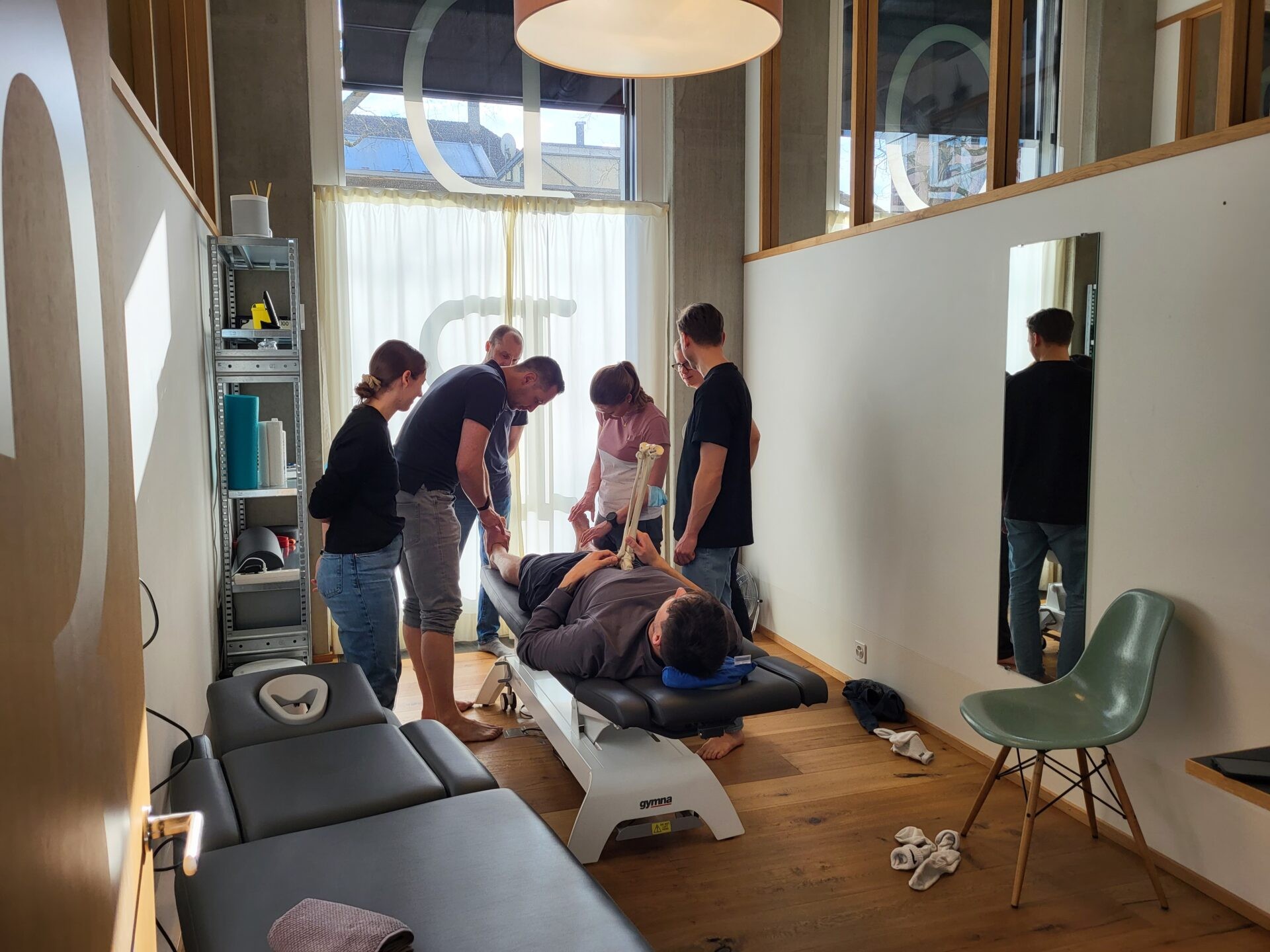
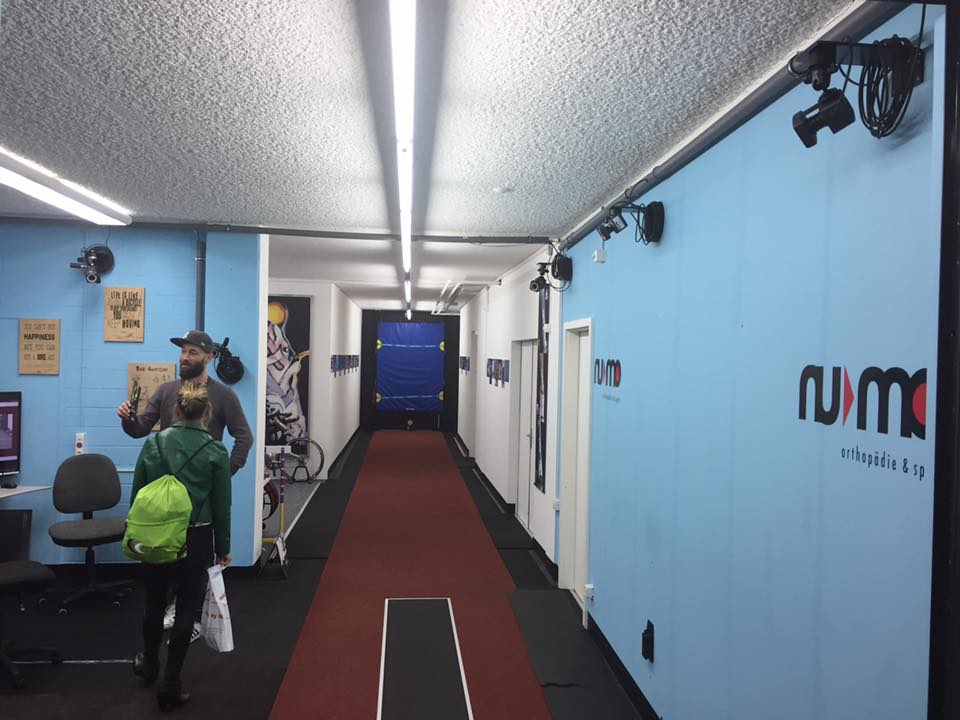
During your assessment, we determine whether your pain is truly coming from the plantar fascia or if another factor is involved—such as the tendon insertion at the heel, an irritated nerve, the fat pad under the heel bone, or, in teenagers, an irritated growth plate on the heel bone. We then combine manual techniques on the fascia, calf, and ankle joints in your Physiotherapy sessions with a progressive strengthening program in our own training area right here at the clinic, while guiding you on managing your load day-to-day. If the root cause extends throughout the entire kinetic chain—for instance, if your calf, knee, or pelvis increases tension on the sole of your foot—osteopathy complements your treatment. The goal isn't just to make the pain go away, but to keep it from coming back: a resilient foot that can handle your standing job and your running sessions again. If you've had foot surgery, we also guide you through your rehabilitation after foot and ankle surgery.
Doctor-approved for your peak performance
If you've experienced a fall, suffer from nighttime pain at rest, a fever, or numbness in your heel or sole, we recommend getting a medical evaluation first. Where necessary, we will coordinate directly with your doctor to get you back on track.
Who covers the cost? Let's talk investment in your future.
Physiotherapy is covered by basic insurance with a doctor's referral, or after an accident by accident insurance or your health insurance's accident coverage. You can book osteopathy directly, without a referral; most supplementary insurance policies for alternative and complementary medicine contribute to the costs, and depending on the insurer, this also applies after an accident.
It is best to clarify directly with your insurance provider beforehand how much they will cover.
Whether it is Physiotherapy or osteopathy: you are always welcome as a self-payer, and this does not change anything about your treatment.
You can find the cost of your treatment under Rates and cost coverage.
As a general rule, no. The spur itself is just calcification at the insertion point—years of continuous tension cause the connective tissue to store calcium salts and harden. In fact, many people have one and never feel a thing. What actually hurts is your overworked plantar fascia itself, and in the vast majority of cases, we treat this conservatively with smart load management and targeted strengthening. Surgery only becomes an option if consistent rebuilding over many months hasn't brought results, and that's a decision for your doctor to make. We'll support you by providing clear data on exactly how resilient and strong your foot has become in the meantime.
Which path is yours to conquer?
Three quick questions, and you'll know exactly where to start. Immediate support needed? Call us: 044 545 03 03