


What is the purpose of lymphatic drainage?
Benefits of manual lymphatic drainage
Lymphatic drainage is a gentle massage technique that stimulates lymph flow and offers various health benefits. Discover how this specialized treatment can support your body's well-being.
Reducing Swelling
The gentle massage technique encourages the drainage of excess fluid from tissues and visibly reduces swelling.
Accelerated Healing
After injuries or surgeries, lymphatic drainage can accelerate the healing process and reduce the need for pain medication.
Pain Relief
For chronic conditions, lymphatic drainage can effectively reduce stiffness and pain in affected areas of the body.
In a nutshell
What is manual lymphatic drainage?
Manual lymph drainage (MLD) is a specialized, medically recognized massage technique that specifically stimulates the lymphatic system—a crucial part of our body's defense and waste disposal mechanism. The aim of the treatment is to gently channel excess tissue fluid (lymph) that can accumulate in the tissues, thereby reducing swelling.
A large portion of the lymphatic vessels is located in the superficial layers of the skin, specifically in the subcutis (subcutaneous tissue). That’s why during manual lymph drainage, a very gentle, rhythmic pressure and circular movements are used, precisely tailored to the anatomy of the lymphatic system.
Understanding the Lymphatic System
The lymphatic system consists of a delicate network of lymph capillaries, larger lymph vessels, and lymph nodes that extend throughout the entire body. Unlike arteries, lymph vessels don’t have their own muscular walls. This means they can’t actively contract to transport lymph further. Instead, they respond to external stimuli - particularly specific movements, external pressure, and special lymphatic techniques.
Usually, there is a balance between the fluid that exits the blood capillaries into the tissues and that which is transported back via the venous and lymphatic systems. If there is a disruption in this transport, fluid accumulates in the tissues—resulting in swelling.
Is manual lymphatic drainage right for you?
When is MLD used?
Manual lymphatic drainage can effectively alleviate a variety of conditions
Confronting Lymphedema
especially after the removal of lymph nodes
After surgeries
(e.g., knee or chest surgeries) to accelerate healing
After sports injuries
like sprains and bruises
With Lipedema
for pain relief and volume reduction
For chronic venous insufficiency
and heavy, swollen legs
During pregnancy
for fluid retention and heavy legs
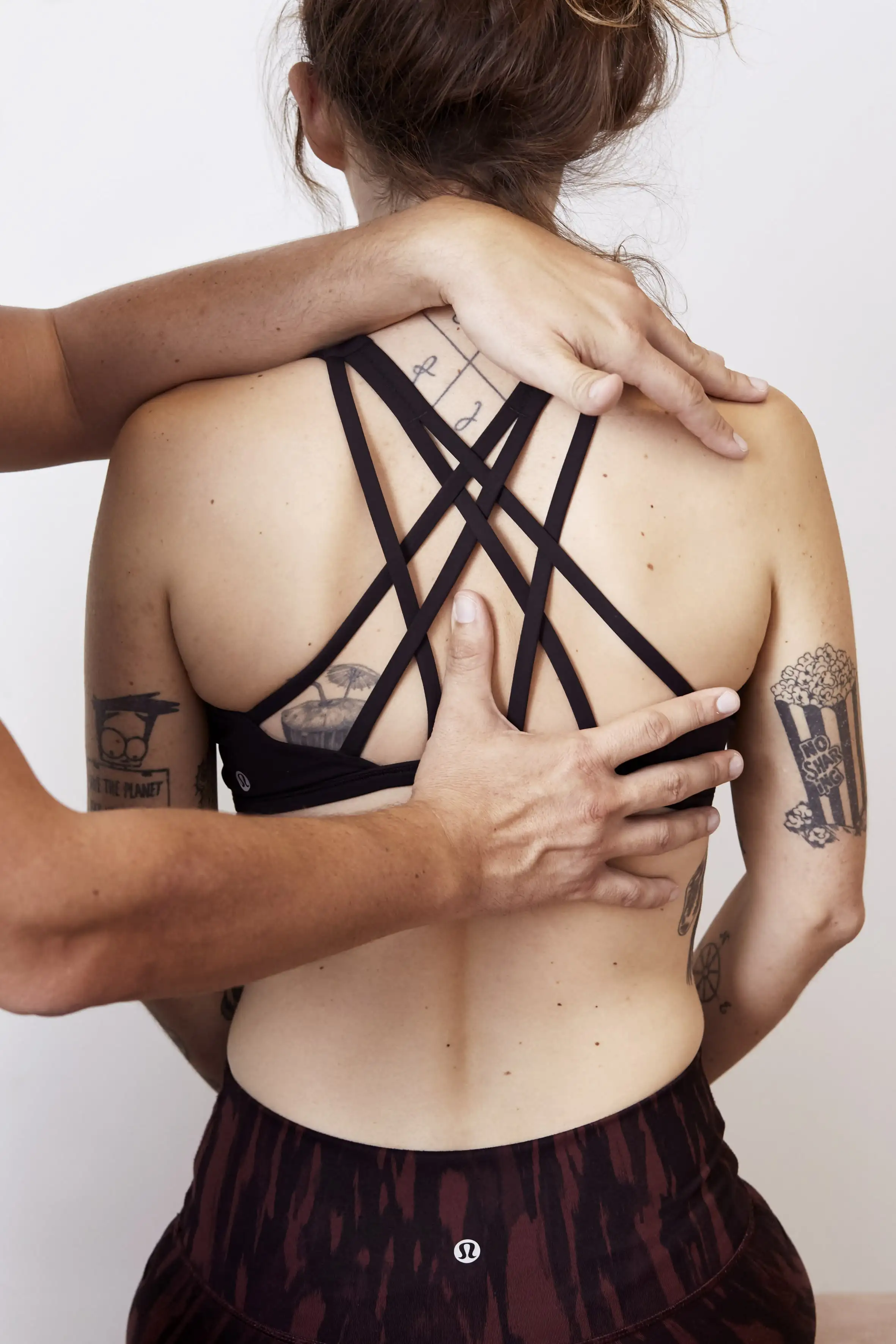
Pregnancy
Tip
Combine manual lymphatic drainage with moderate walking and plenty of fluids to achieve the best effect.
How does Manual Lymphatic Drainage work?
It stimulates lymph flow and activates the body's drainage system
It helps the body efficiently transport away accumulated fluid
It alleviates swelling, pain, and uncomfortable tightness
It can speed up recovery after surgeries or injuries
It supports the removal of hematomas
It provides not only physical but also mental relaxation
After the therapy, increased urination is possible – a positive sign that your body is eliminating excess fluid.
What can you do yourself for your lymphatic system?
Even beyond therapeutic treatments, you can actively support your lymphatic system. Unlike blood, lymph doesn’t have its own pump like the heart, and therefore depends on external stimuli and movement.
Regular Exercise
Movement is the most important "engine" for lymph flow. Walking, swimming, cycling, or gentle gymnastics are especially beneficial.
Breathing exercises
Deep, conscious breathing creates pressure changes in the chest cavity that promote lymphatic flow. Just a few minutes of slow, deep belly breathing each day can make a difference.
Empowerment
Wearing medical compression stockings (as prescribed by a doctor) supports the return flow of lymph.
Elevate
Regularly elevate the affected body parts above heart level to use gravity for relief.
Skincare
Good skincare protects against infections that could put additional strain on lymphatic drainage.
Manual lymphatic drainage during pregnancy
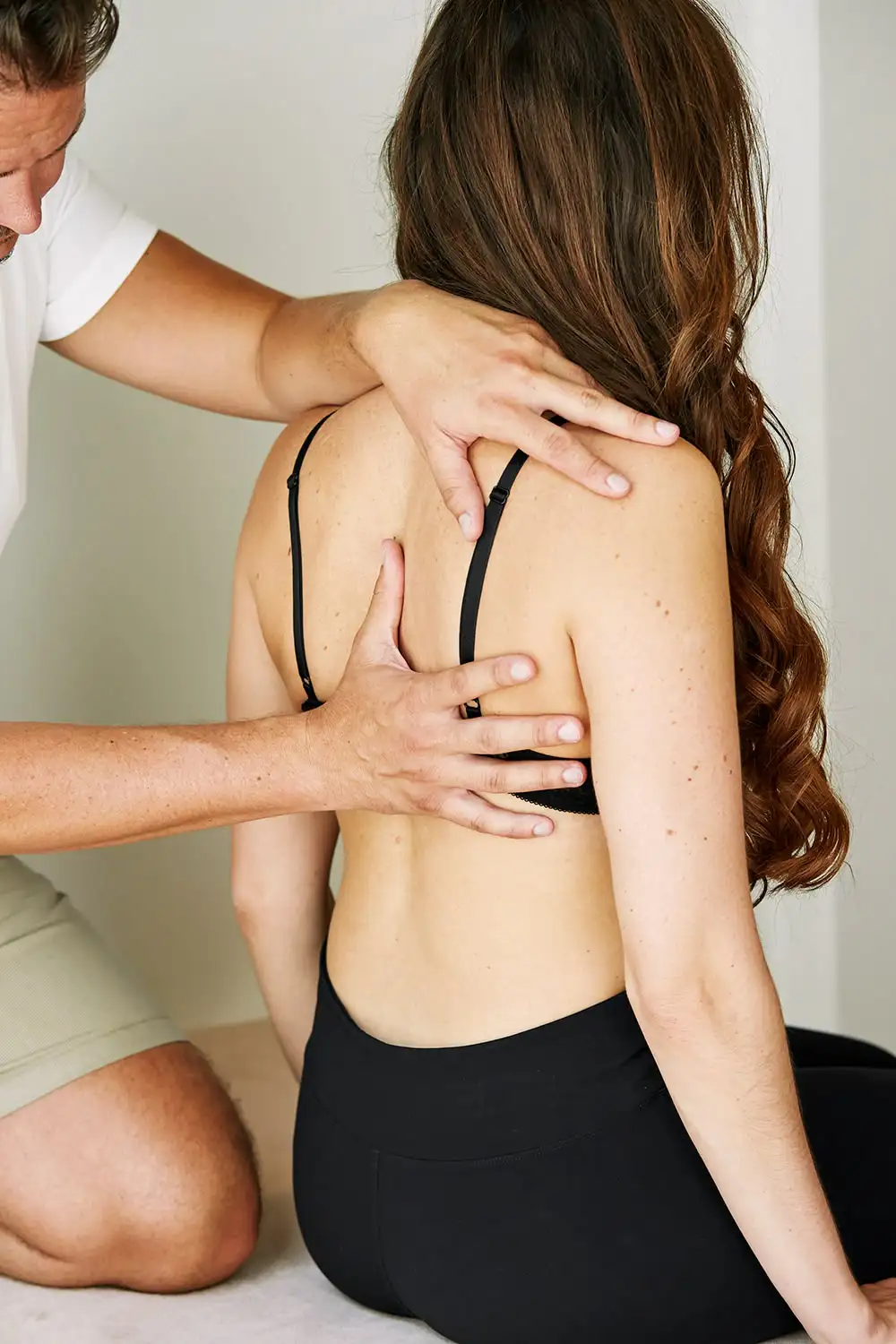
Pregnancy
Tip
Combine manual lymphatic drainage with moderate walking and plenty of fluids to achieve the best effect.
We use lymphatic drainage for various conditions: to reduce swelling after injuries or surgeries, for lymphedemas, and in scar treatment. This gentle therapy promotes the removal of fluid from tissues, supports the immune system, and can provide relief for chronic issues. Additionally, it has a relaxing effect on both body and mind.