Knee
VKB Recovery

An anterior cruciate ligament (ACL) rupture is a very common injury, especially among athletes. In our first blog on "Rehab and Prevention of the Anterior Cruciate Ligament", we look briefly into the anatomy of the knee and its structures. In our second blog on this topic, we dive deeper into the incidence, costs, and consequences of an ACL rupture. At the same time, the risk factors and injury mechanisms are described in more detail.
In this blog, we want to focus on your treatment and rehabilitation following an anterior cruciate ligament injury. The treatment plan for isolated ACL injuries and combined injuries involving the menisci or collateral ligaments is very similar. However, here we are assuming an isolated ACL injury.
After your injury, you basically have three options as an athlete. Which path you choose is discussed and carefully weighed up with your treating doctor based on your individual needs and requirements:
Immediate surgery
Conservative treatment
Conservative treatment initially, followed by surgical reconstruction if needed
The literature recommends that athletes who want to return to their high-risk sport undergo surgery with a reconstruction of the torn cruciate ligament.
Successful ACL rehabilitation, both after reconstruction and without surgical intervention, is a challenging and lengthy journey that requires a lot of patience and intensive outpatient therapy. In the best-case scenario, successful surgery is only the foundation for an optimal healing process. Without rehabilitation, however, a return to sports is unthinkable.
During wound healing and your entire rehabilitation, various physiotherapy goals are pursued:
Graft-bone healing of the implant
(Recapillarisation of the cruciate ligament)
Pain relief & reducing swelling
Preserving (restoring) mobility, both tibiofemoral and patellofemoral
Restoring proprioception and strength
Freedom from symptoms during everyday activities
Moving toward performance in your respective sport
Optimal ACL rehabilitation must always be individually tailored to you, the timing of your injury, and your personal end goals, as every body responds differently to such an intervention.
In addition to optimal rehabilitation, clear and thorough patient education is, of course, essential.
ACL Rehabilitation
Optimal ACL rehabilitation starts right after the trauma with preoperative rehabilitation. The goal of this phase is to bring your baseline fitness level and the injured structure to the highest possible level before surgery. This will significantly influence the course of your rehab after surgery. In this phase, great emphasis is placed on knee extension and joint mobility, but the strength and power of your quadriceps muscle are also crucial. In particular, you should be able to actively recruit your vastus medialis, actively promoting it with targeted exercises.
Quadriceps strengthening before surgery appears to be extremely important. Studies have shown that a 20% quadriceps strength deficit before surgery can result in a significant deficit in quadriceps strength lasting up to 2 years [1].
The second phase of rehabilitation starts right after surgery. During this time, swelling and pain take center stage. At the same time, you will work on activating your muscles so they can regain active control of your knee as quickly as possible. Once your knee can be actively stabilized during everyday movements and you have a normal gait pattern, you can usually leave your crutches behind. Our physiotherapists at BodyLab are happy to advise you personally and individually.
From now on, the goal is to increase the load on your knee in a controlled and appropriate way, as well as to regain full range of motion. The focus is on the mobility and coordination of your lower extremities. Here, you should make sure that although you are mainly training the affected leg, both legs are always involved in training. The musculature and coordination of your unaffected leg also decline during the period of immobilization. Until full weight-bearing is achieved, crutches may occasionally be used as support.
Once you reach full weight-bearing in daily life, you have achieved a very important milestone in your rehabilitation! However, there is still a noticeable deficit in strength, coordination, endurance, and load tolerance. Therefore, the fourth phase continues to focus on strengthening and coordination. This now happens with more weight and increasingly with sport-specific loads.
In the final phase, it is all about sport-specific progression and full loading in your sport with physical contact and high-risk movements. Here, athletes train primarily at a neuromuscular level. This includes jump training, maximum strength, and explosive power, using heavy weights and rapid movements. Until that point, a solid foundation is a must, otherwise your structures will not be able to withstand the load.
Conclusion
An injury to the anterior cruciate ligament is a serious injury that can be treated in various ways. Whether conservative or through surgery, subsequent rehabilitation lasting several months is indispensable. Versatile and individually tailored therapy supports your body in the healing process and helps you regain your everyday functions. The phases mentioned above are guidelines and should not be viewed as a rigid program. Through consistent rehabilitation and disciplined progressive training, 83% of elite athletes return to their sport after ACL reconstruction and compete in their first competitive match after 6 to 13 months [3].
Whenever you need us, we are here for you!
Your BodyLab team, your specialists for rehab after cruciate ligament surgery
Osteopathy and Physiotherapy | Rehabilitation and Training
Zurich Altstetten
Find out more on our acl tear page.
References
Nicky van Melick, Robert E H van Cingel, Frans Brooijmans….2016 Review
[2] Nachbehandlungsschema und Return to Sports nach Kreuzbandplastik – Vavken, Sadoghi, Valderrabano, Pagenstert
C. H. Lai, C. L. Ardern, J. A. Feller, and K. E. Webster
Br. J. Sports Med., vol. 52, no. 2, pp. 128–138, 2018.
Cover Image Credit
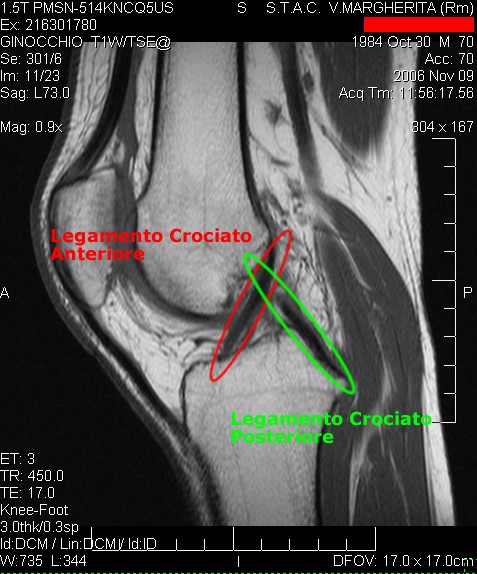
No machine-readable author provided. Lucarm84 assumed (based on copyright claims)., Legamenti crociati, marked as public domain, details on Wikimedia Commons